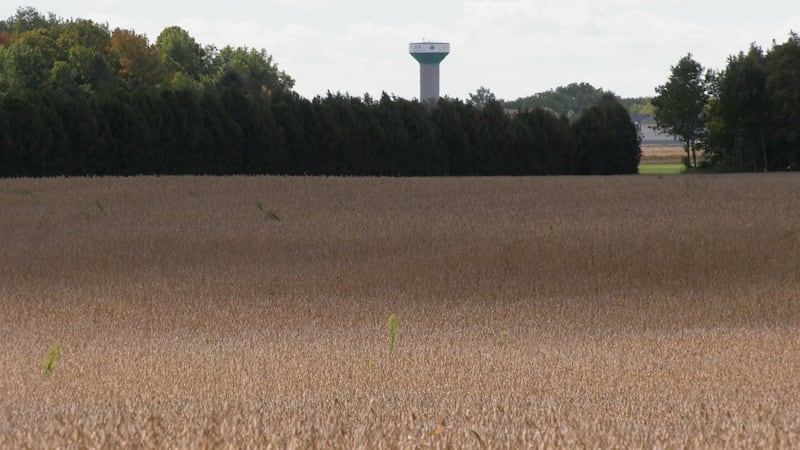
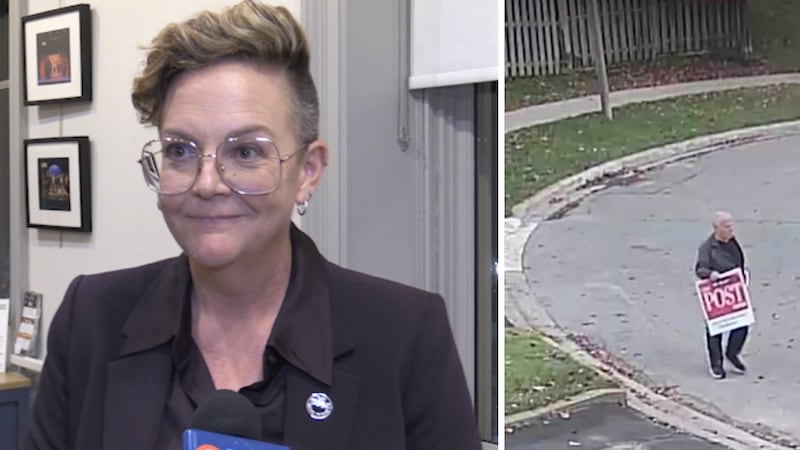
A planning application before the Lucan-Biddulph council is drawing close scrutiny from farming advocates and potentially testing the provincial government’s commitment to protecting Ontario’s agricultural land. The proposal seeks to convert over 100 acres of prime farmland into residential development, a move that highlights the ongoing tension between municipal growth needs and the preservation of a critical food resource. The application, submitted by Siv-ik Planning & Design Inc., requests an Official Plan Amendment to expand the Village of Lucan’s settlement area boundary by 45.47 hectares (approximately 112.36 acres). These lands, located east of Saintsbury Line and south of Fallon Drive, are currently designated Agricultural and zoned General Agricultural (A1). The proposal aims to redesignate these fertile fields to ‘Residential’ to accommodate future housing growth. The application was deemed complete by the township on Sept. 1, 2026, with a statutory public meeting to be announced at a future date. This application arrives at a critical juncture, being the first to request an urban growth boundary change since the province removed the ‘Municipal Comprehensive Review’ requirement. This review previously mandated detailed analysis of growth projections, economic impacts, and farmland loss. “Now that review process has been taken away, it has now opened it up so that developers can apply on their own privately to have their lands considered,” explained Lucan-Biddulph Mayor Cathy Burghardt-Jesson. She added that this change has diminished municipal control, noting, “I’ve been on council for 16 years, and I have found that the ability to do that is consistently stripped away.” Burghardt-Jesson acknowledged the delicate balancing act her community faces. “There have always been limitations and parameters set up for municipalities to grow in a responsible way that isn’t too fast, that doesn’t put a strain on infrastructure,” she stated. “Well, that’s always been the biggest challenge for small urban and rural communities across Ontario. We don’t have the infill opportunities that our neighbors like London have. And so, when we grow, the lands that we take away are agricultural.” She emphasized the need for responsible growth to meet residents’ needs: “We just want to make sure that we’re growing appropriately, responsibly and can answer the needs of our residents.” The Ontario Farmland Trust, an agency dedicated to farmland preservation, is closely monitoring the situation. Executive Director Martin Straathof is raising “red flags” about the long-term implications. “This is a resource that once it’s paved over, we can’t get it back,” Straathof warned. He highlighted the alarming rate of farmland loss in Ontario, citing that 2.8 million acres have been lost in just over three decades, an 18 per cent reduction. “We’re now losing 319 acres a day,” he stated. Straathof articulated the complex challenge, “We’re in that difficult place where we need to be protecting our farmland as a finite and critical resource for our communities and food security and our economic resilience. Yet at the same time, we’re also in a housing crisis and housing affordability issues.” He stressed the growing global importance of Ontario’s food production capacity, adding, “Places like Canada and in particularly Ontario is going to be that much more depended upon globally for food production.” He also pointed out the necessity of a buffer for less successful harvest years, stating, “We still need to make sure that we have not just, you know, farming up to the point that we can say, okay, this will feed everybody. We want that buffer for those years that it might not be as successful.” Burghardt-Jesson, who is not seeking re-election in the upcoming November municipal election, noted that the next council will inherit the responsibility of navigating these growth decisions. The township has provided notice for the application, inviting public input. Residents who wish to participate in future discussions or appeal decisions are advised to submit comments and attend upcoming public meetings, details of which will be announced by the Township of Lucan Biddulph. As Lucan-Biddulph grapples with its future development, the decision on this application will reverberate beyond its borders, serving as a key indicator of how Ontario intends to balance the pressing need for housing with the irreplaceable value of its agricultural heritage.