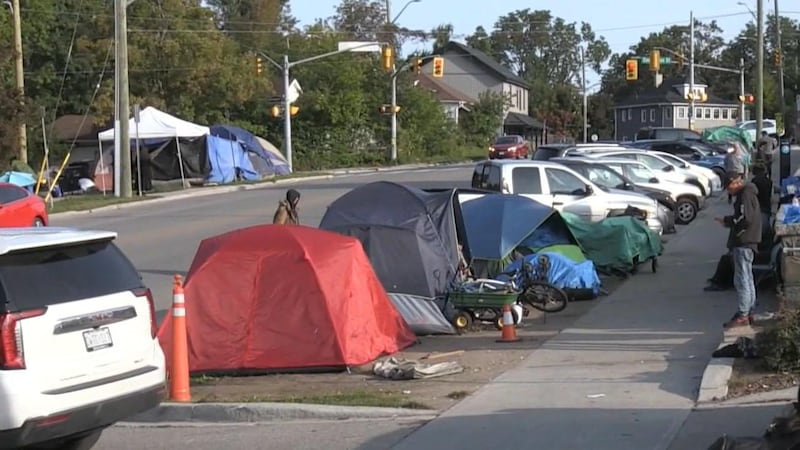
No community wants to be on a list for high opioid-related drug deaths, but across Ontario last year four northern cities made the top 10. The Office of Ontario’s Chief Coroner compiled opioid toxicity mortality rates for all of 2025. The numbers are based per 100,000 population. Thunder Bay was at the top with 61 deaths last year, followed by Orillia with 12. North Bay had the third highest with 18 opioid deaths in 2025, followed by Greater Sudbury in fourth spot with 51 drug deaths reported to the coroner last year. Sault Ste Marie was eighth on the list with 18. “I think that really speaks to some of the real challenges that occur in more northern regions, more remote regions where there’s fewer services, it’s much more difficult to access those services,” said Dr. Mustafa Hirji, Sudbury district’s Medical Officer of Health. Hirji, who is also the co-chair of Greater Sudbury Community Drug Strategy, said this city has been hit hard by substance use issues. “We’re seen over the last three years or so that the numbers have been improving, which is I think certainly good news, and I think speaks to how we’re accomplishing some good things in the community,” he said. “But we are still much higher than we were 15 years ago. So, there’s a long way to go.” On Tuesday, the Community Drug Strategy released a Call to Action responding to the toxic drug crisis. It’s meant to provide transparency for the public and will by measured by reductions in overdoses or drug deaths. The 2026 priorities outlined in the Call to Action include: “We’re going to be looking at people’s access to getting the care that they need, their ability to get into treatment and the number of people who feel that they’re able to access services without feeling stigma,” Hirji said of the key areas the strategy will be working on in 2026. In a news release, Tyler Campbell, Greater Sudbury’s general manager of community and well-being, was named as the other co-chair of the Community Drug Strategy. “Substance use is not an isolated health concern, but a community issue often influenced by housing insecurity, poverty, trauma, and systemic inequity,” Campbell said in the release. In an interview with CTV News Campbell called the Call to Action a coordinated approach by all the partners to address the complex problem. “This really is an opportunity for all of us to be rowing in the same direction. We all hold different pieces of the puzzle in regard to a response and it’s about coordinating the action within the community to be able to respond to that,” he said. “It challenges us to move beyond fragmented responses toward systems that are compassionate, inclusive and just – through wrap-around supports, Indigenous-led initiatives, and meaningful engagement with people who have lived and living experience, we are creating pathways to healing and belonging,” Campbell added. “By listening to the voices of those most impacted and working across sectors, we can build a community where everyone has the opportunity for health, safety, and inclusion,” Hirji said. The ‘Call the Action’ will include an annual report card highlighting achievements, challenges and areas for improvement. But official say the real measure will be whether Sudbury can get off the Coroner’s Top 10 list.