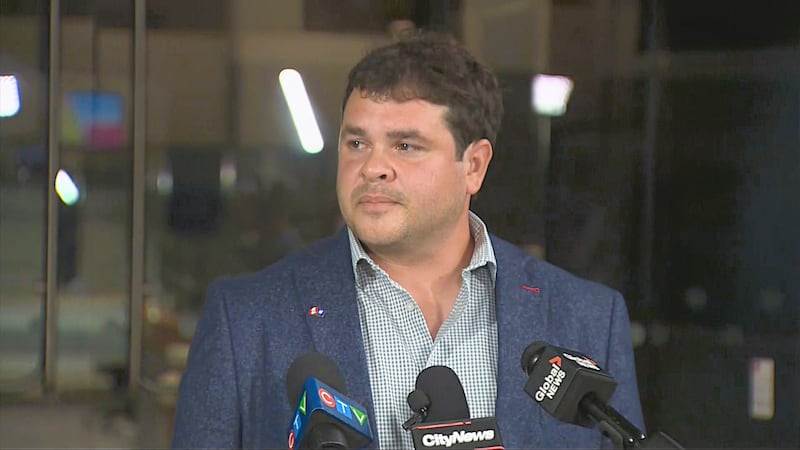
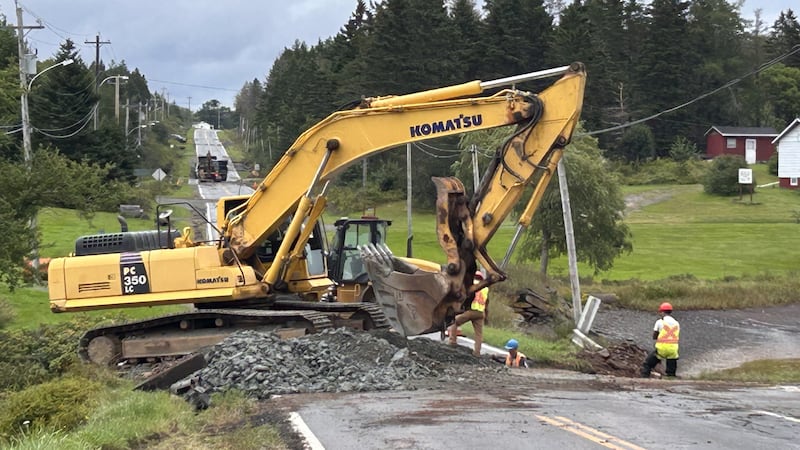
Complaints about roads are the norm in the north and a recent report to Sault Ste. Marie city council sheds light on why city streets are in such bad condition. The report submitted by the city’s director of engineering, Carl Rumiel, and city finance manager Steve Facey, said one-third of Sault roads are in poor to very poor condition. The city’s average score on the pavement condition index (PCI) was 53/100, meaning just over half of city roads are in fair condition. Mayor Matthew Shoemaker said the problem didn’t develop overnight. “It’s been years of underinvestment in our roads for a generation, to be frank,” Shoemaker said. “It shows not just council, but also the community, what an undertaking it is to try and bring our roads up to even a fair or a reasonable condition.” The fact that roads in cities such as Sudbury are in similar condition “doesn’t give us much comfort,” Rumiel added. “But I think it shows that this has been the trend, as municipalities have been asked to do more with social services, as they’ve been asked to do more with health care, as they’ve been asked to do more with recreational services. That has meant budget growth has been put towards those investments.” It would cost $331 million over 10 years to upgrade road conditions to an acceptable level, the report said, or an additional $11 million a year. Facey said the city currently spends, on average, less than $3.5 million per year on roads. “The capital plan for the city is about 80 per cent funded from senior levels of government,” he said. “So an additional $11 million a year would be a significant undertaking.” And Shoemaker said it would take a 12 per cent tax increase to raise the money. “Which I don’t think residents are willing to accept,” he said. “So we’ll have to do it incrementally … in a way that’s not going to make the tax increase unbearable for residents.” The report said the engineering division will be requesting a $500,000 increase in asphalt resurfacing spending for next year’s budget. Facey said it will help now and in the future. “Any investment now in an ongoing investment will keep our roads at least in the condition that they are now or potentially improve them depending on the level of funding that we receive,” he said. “It will add up over the years.” Rumiel said roads in the worst shape are local residential roads. “They need full reconstruction,” he said. “Those also include digging up the sanitary and storm sewer and water main.” Those roads are often 100 years old and require full reconstruction, Rumiel added. “They have no granular base, so that’s a pretty big investment for those,” he said. “We can do pretty well with our main arteries and collectors by resurfacing.” The report said the Sault has a relatively low $281 of debt outstanding per capita. By comparison, Thunder Bay has $1,752, North Bay has $1,763 and Sudbury has $1,841. “So we definitely do have the opportunity to take on debt or secured debt, but just may not be recommended for these types of initiatives,” Facey said. He adds that debt is typically used in large “one-time” projects, and not something that requires ongoing funding, such as a road. While Shoemaker supports spending more on roads, he said adding to the city’s debt could help pay for it indirectly. “We need to have the right amount of savings in terms of the reserves that we’ve got,” he said. “And we need to make sure that we’re using debt appropriately where it can offset other increases and that money can then be put towards roads.”