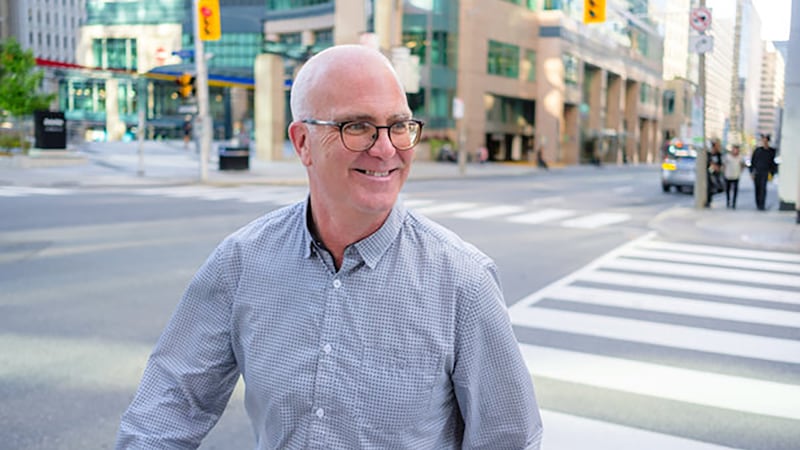
A Western University professor is aiming to redefine concussion recovery for young athletes and students by focusing not just on physical healing, but on the critical, often overlooked, academic and social reintegration process. Professor Heather Shepherd has developed a comprehensive framework designed to bridge the gaps in how schools support students returning after a head injury. While the physical symptoms of a concussion are well-documented and require treatment, the ripple effects on a young person’s life can extend far beyond the initial injury. For students, concussions often lead to falling behind in learning, disrupted social connections, and significant anxiety about returning to the classroom. Shepherd, from Western’s School of Occupational Therapy, highlights a significant challenge: “Things like who communicates with the school when a child has a concussion? Who within the school communicates with each other about the child’s accommodations, that the child is not the one who is now navigating their own kind of return to school support?” This lack of clear communication pathways leaves students and their families struggling to navigate the complex return-to-school process. Concussions can impede learning and isolate students from their peers. To combat this, Shepherd’s research proposes innovative solutions, including the establishment of a “buddy system.” This involves a fellow student who can help relay crucial information, such as homework assignments and classroom updates. “The hope is that having peers there to help from that social support and peer support perspective will help alleviate some of that anxiousness with returning to school and help them from that more academic and support context,” Shepherd explained. Teachers, often stretched thin, face unique difficulties in managing concussion recovery. Shepherd notes that the fluctuating nature of a student’s needs presents a constant challenge. “Concussions are unique in that the student’s needs are going to change on a day by day or week by week basis, which can be quite difficult for schools to accommodate,” she said. This requires a flexible, gradual return to both classwork and extracurricular activities. Shepherd experienced the profound impact of concussions firsthand, sustaining four during her first two years of high school, with three occurring within a single six-month period. The severity of her third concussion led to her withdrawal from school for the remainder of that academic year, providing her with an intimate understanding of the challenges students face. The prevalence of concussions among young people underscores the urgency of Shepherd’s work. She points out that approximately one in four adolescents will experience a concussion by age 18. Citing research from Dr. Carolyn Emery’s group at the University of Calgary, Shepherd noted that “about 11% of high school students will sustain a concussion each year in Canada, who play sports, which includes physical education class.” It was during her doctoral studies at the University of Calgary that Shepherd first developed the Return to School Framework. Created collaboratively with students, caregivers, educators, and fellow researchers, the Return to School Framework offers schools a practical toolkit of strategies to support students recovering from concussions. This approach aims to mitigate the impact on both learning and social connections. Now a researcher in the Faculty of Health Sciences at Western University, Shepherd is focused on determining how this framework can be effectively implemented across school boards in Ontario, with the ultimate goal of a nationwide adoption. She emphasizes the collaborative nature of her work: “We’re working to identify, hopefully, a solution that has real world impact, and we’re doing it with the people that are actually living that life.” Shepherd’s ultimate aim is to create a universal template that any school, regardless of its size or available resources, can utilize to ensure a smoother, more supportive return to school for students recovering from concussions, fostering both academic success and social well-being.