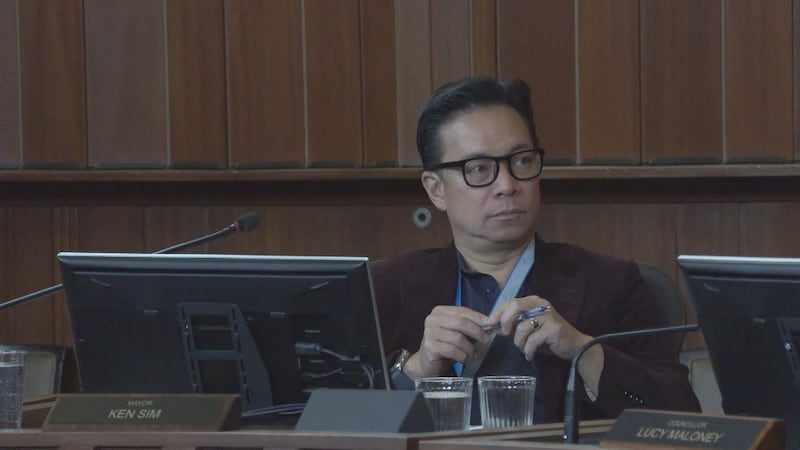
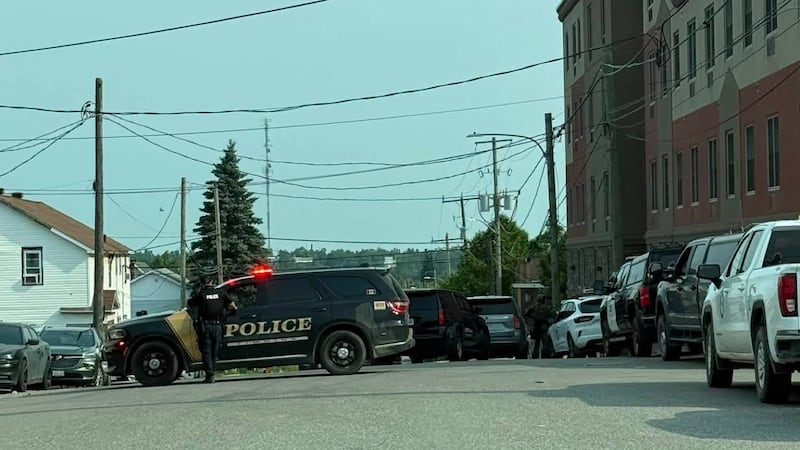
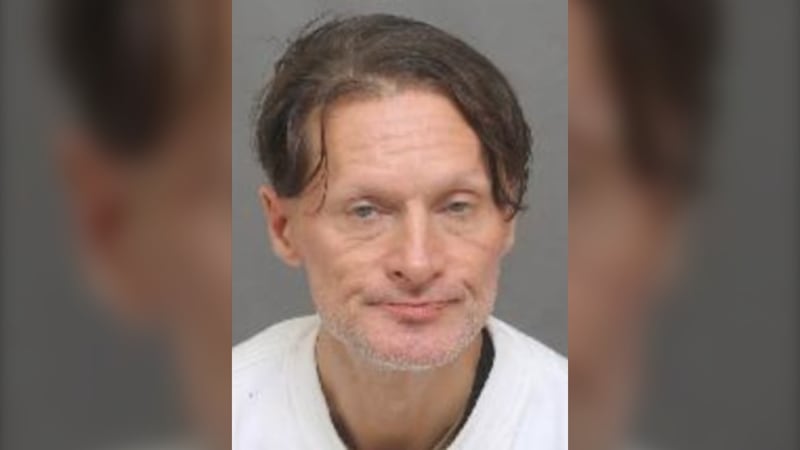
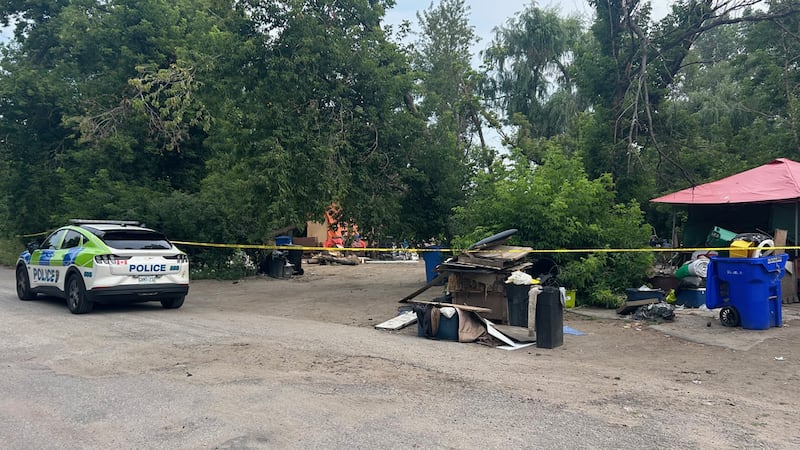
It marks one year since police sealed off a homeless encampment near Barrie’s downtown, revealing little about an investigation that would soon grip the entire city. At the time, investigators shared few details about the massive police operation. But in the coming weeks, it unfolded into a gruesome and twisted criminal investigation, with allegations of two murders, dismemberments and dozens of criminal charges. It ignited a citywide debate over homelessness, addiction, mental health and public safety, led to a state of emergency and drew the eyes of both Queen’s Park and Ottawa. Here’s a look back at the moments that shaped the police investigation: July 31, 2025 Barrie Police shut down the Bradford Street encampment, stretching from Victoria Street to Anne Street. A heavy police presence sparked speculation as investigators released little to no information to the public and the media. Aug. 1 Police identified 52-year-old Robert Ladouceur, also known as “Tattoo Rob”, as a suspect connected to the investigation and warned the community that he was considered armed and dangerous. Aug. 2 Ladouceur was arrested in Midland, Ontario. He was later charged with 19 offences, plus numerous weapons charges involving a handgun and fleeing from police. Aug. 5 Barrie Police Major Crime detectives expanded their investigation into the Huntsville area, with officers searching multiple locations for additional information. Aug. 19 Ladouceur initially faced weapons and drug-related charges before Barrie police connected him to a deeper homicide investigation. Court documents alleged two men, 45-year-old William Robinson and 41-year-old David Cheesequay, were murdered months apart, with their both bodies allegedly dismembered. Additional charges have been laid against him, including first- and second-degree murder and indignity to a body. Ladouceur remains behind bars. Sept. 9 Barrie Mayor Alex Nuttall declared a state of emergency over homelessness and encampments, announcing a zero-tolerance approach to tents, violence and drug use on public property. Sept. 11 The Mulcaster Street encampment was cleared and the County of Simcoe said all 44 people staying there accepted temporary living accommodation. Sept. 16-20 The mayor called on both Queen’s Park and Ottawa for help, indicating Barrie’s situation a “breaking point.” Premier Doug Ford later toured one of Barrie’s largest encampments, Milligan’s Pond, with Nuttall and pledged to look at additional provincial support. Sept. 23-24 Nuttall launched a public petition calling for changes to mental health legislation and increased funding for treatment and shelters. The initial Bradford Street encampment was dismantled the following day, with 10 of 17 residents accepting accommodation. Sept. 26 The federal government responded by highlighting millions already committed to housing and homelessness, including $35 million for services in Barrie from 2019-2020 through 2027-2028. Oct. 2 Council approved tougher bylaws giving the city more authority to deal with encampments, including new rules around camping, sidewalk obstruction and public spaces. Bill 110 now replaces the existing bylaw and gives police the power to regulate behaviors on municipal property. Oct. 6 The city reported four major encampments had been cleared but said 26 encampments remained, housing about 111 people by fall. Nov. 6 Nuttall takes the national conversation to Vancouver. There, he met with Vancouver Mayor Ken Sim to compare strategies and make plans to push higher levels of government to spend more on the homelessness crisis. At the time, Sim said, while the sizes of the cities are different, the challenges are the same. He argued the problems in Barrie may even be greater than Vancouver because Barrie is smaller, so it doesn’t have the resources that a larger city does. Jan. 2026 Mayor Alex Nuttall said the number of encampments had dropped dramatically, with only “one or two tents” remaining in Barrie throughout the winter months. Feb. 2026 He later to travelled to Alberta to study how municipalities there are responding to homelessness and addiction. He met with Calgary Mayor Jeromy Farkas and Alberta’s Minister of Mental Health and Addictions, Rick Wilson, to learn about programs and strategies aimed at supporting people experiencing homelessness and mental health challenges. Where are we at now? A state of emergency remains in place, with no anticipated end date. The city has also expanded its focus to crackdown on what Nuttall calls a ‘lawlessness’ downtown, doubling down this week by increasing fines on the landlords that own the buildings where illegal dispensaries operate. A spokesperson for the City of Barrie told CTV News on Friday, that less than eight encampments remain, and that it has addressed 203 encampments since the emergency order was issued. On Sept. 9, 2026, the state of emergency will have been in place for one year.