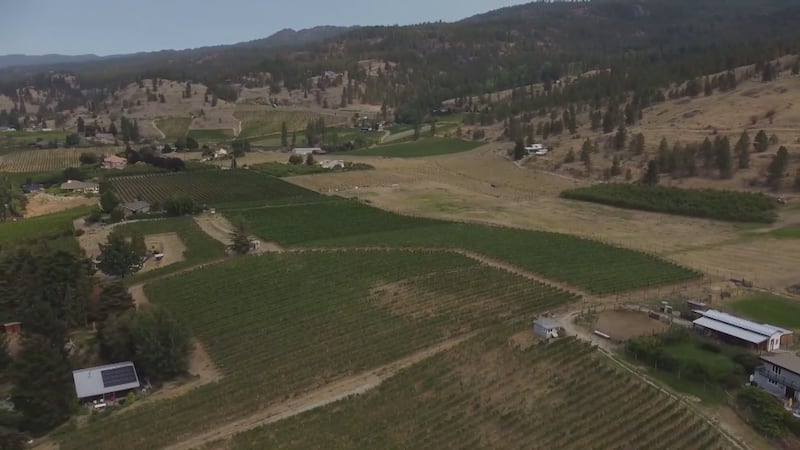
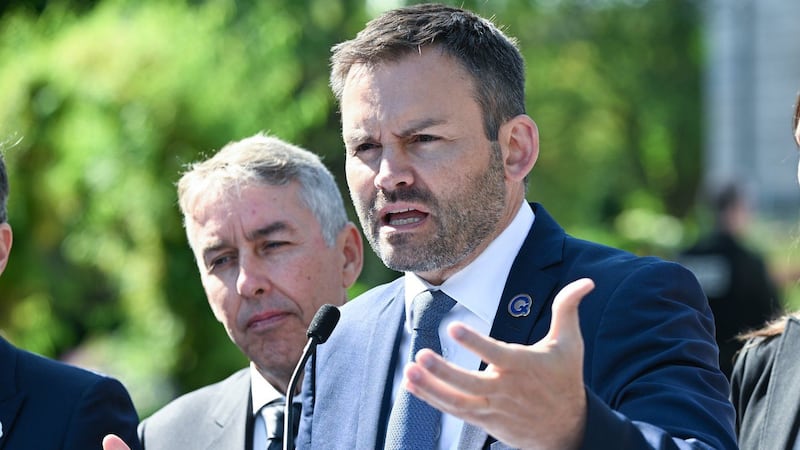
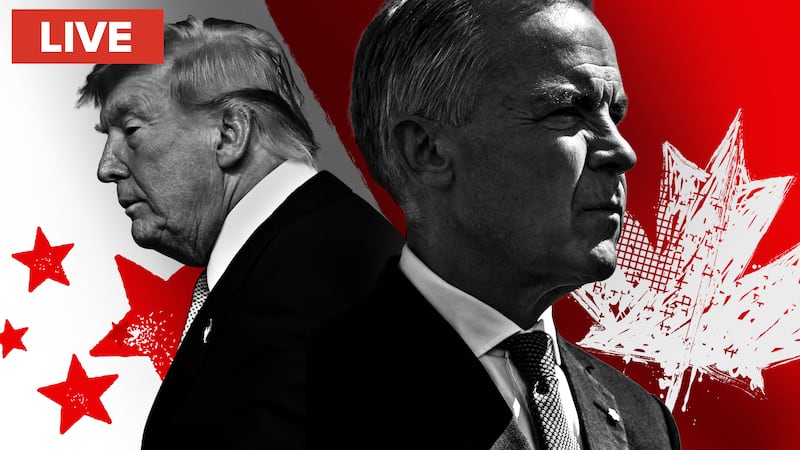
B.C.’s wine and beer industries are the latest sectors caught in the growing trade dispute between Canada and the United States. The latest escalation came after Canada imposed a new round of retaliatory tariffs on U.S. goods Tuesday. In response, U.S. President Donald Trump proposed banning several Canadian imports, including some beer and wine products, from entering the American market. For some B.C. wineries, the move could mean losing customers they have spent years cultivating south of the border. However, industry leaders say the impact will not be felt equally across the sector. “We don’t actually export a lot of wine to the United States,” said Jeff Guignard, president and CEO of Wine Growers British Columbia. Guignard said the overall impact on the provincial wine industry is expected to be limited, although some producers could face significant losses if a large portion of their business depends on U.S. customers. “If you’re a small business and you’ve just lost 30 per cent of your sales to the United States because of this, that just feels deeply unfair right now,” he said. Guignard said the latest trade dispute should also serve as a reminder that Canadian producers still face barriers selling products within their own country. He is calling on governments to follow through on commitments to improve interprovincial trade and make it easier for Canadian wineries to sell products across provincial borders. “This is just further evidence to double down on tearing down the regional barriers here in Canada, to allow the free movement of Canadian wine to Canadian citizens, no matter where they live in this country,” Guignard said. The latest developments come roughly a year and a half after B.C. removed American beer, wine and spirits from government liquor store shelves amid escalating trade tensions with the United States. For B.C.’s craft brewing industry, however, the bigger concern is not the proposed alcohol ban. Instead, brewers say tariffs on aluminum are continuing to drive up costs. “Cans are up anywhere from 20 to 40 per cent across the board,” said Thom Riley, chair of the B.C. Craft Brewers Guild and general manager of Vancouver Island Brewing. “They now represent 55 per cent of the total raw materials and packaging that go into actually making our products.” Riley said many breweries have been grappling with rising costs for several years and that aluminum tariffs are adding further pressure to already thin margins. The industry is also calling on the province to provide tax relief for small breweries. According to Riley, about 20 craft breweries have closed in B.C. over the past year. “I don’t see that trend reversing anytime soon if the government is not willing to step in and get the relief that we’ve asked for,” he said. The B.C. Liquor Distribution Branch told CTV News it remains committed to reviewing the beer markup structure, which craft brewers say is adding pressure to an industry already facing rising costs. The proposed U.S. alcohol ban is scheduled to take effect Sept. 29. Meanwhile, Ottawa’s retaliatory tariffs on hundreds of American products are now in force, with Prime Minister Mark Carney warning Canadians to prepare for continued economic uncertainty as the trade dispute shows little sign of easing.