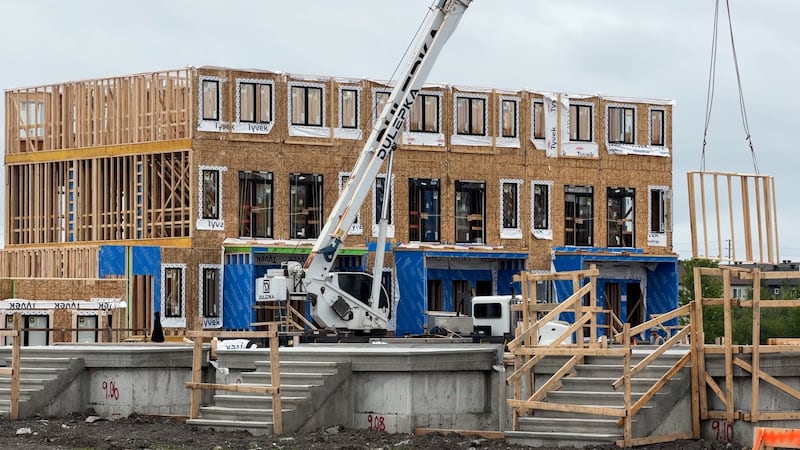
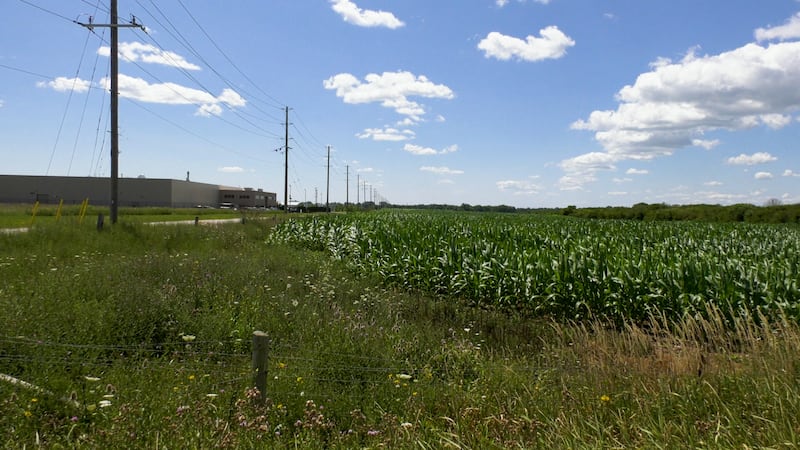
Ottawa is growing faster than previously forecast, and a new city-commissioned study suggests accommodating that growth could require a significant expansion of the city’s urban boundary. The draft study, prepared by Hemson Consulting, recommends expanding the urban boundary by about 2,700 hectares, an area nearly the size of Barrhaven’s existing built-up footprint. “The province is giving us new population projections that they want us to plan for, and those numbers have climbed even higher from the last set of numbers, which is higher that what we did in our last official plan,” said Kitchissippi Coun. Jeff Leiper. Six years ago, the city projected Ottawa’s population would reach about 1.4 million people by 2046. The province now estimates the city’s population could climb to nearly 1.7 million by 2051, an increase of more than half a million residents. According to the report, Ottawa will need to accommodate approximately 257,750 new households to accommodate that growth. “It may be that we need to expand our urban boundary, but I know myself and I know a lot of colleagues are going to be keen to try to keep that as tight as possible,” said Leiper. The report says current city policy aims to direct 51 per cent of new housing into existing neighbourhoods through intensification, including apartments, condominiums and duplexes. But according to the study, that won’t be enough to meet future housing needs. The report projects many of the households driving future growth will be families between the ages of 30 and 49, who are more likely to seek single and semi-detached homes. “If we went to the extreme of all intensification and building tons of towers, well that’s not going to match what a lot of people came to Ottawa for, and we’re just going to push them outside of our boundaries, and that’s no good for us as a city either,” said Jason Burggraaf, executive director of the Greater Ottawa Home Builders’ Association. “If that recommendation stays the way that it is, it’s a pretty good balance.” The study lands on a new split, with about 41 per cent of new households in existing neighbourhoods and about 59 per cent in new neighbourhoods, in addition to the few thousand homes expected to be built in rural villages around Ottawa. The study was supposed to go to a council committee in April, but that meeting was deferred. In a statement Marcia Wallace, general manager of planning, development and building services says: “The City advised through a memorandum on April 20 that recommendations on the Growth Management Strategy were being deferred pending greater clarity on provincial policy and legislative changes. In order to provide transparency, the draft technical reports were made available through Engage Ottawa, including Hemson Consulting’s draft analysis of potential growth scenarios to 2051. These studies form part of the ongoing technical work and do not constitute a recommendation from City staff. Staff expect to report back to Council with recommendations in Q1 2027, following further analysis and the input from the public and other parties received prior to then. No decision has been made on if/when an urban boundary expansion is necessary, and/or where any possible expansion to the urban boundary may occur. Any decision on how the forecasted population increase for Ottawa will be accommodated would ultimately be made by Council.”