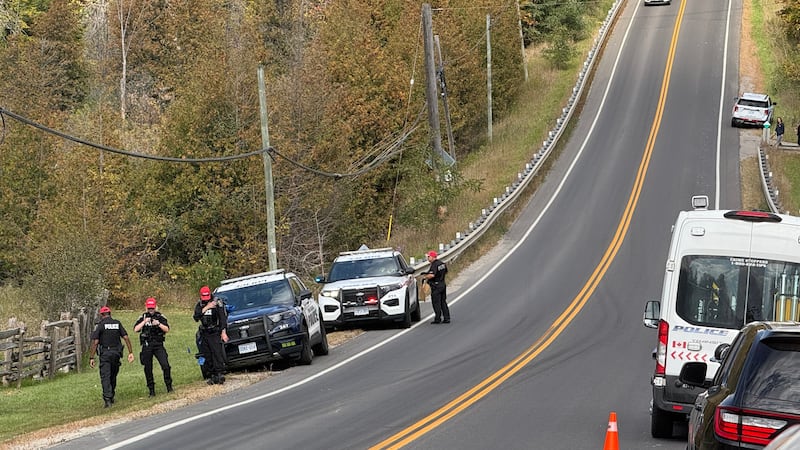
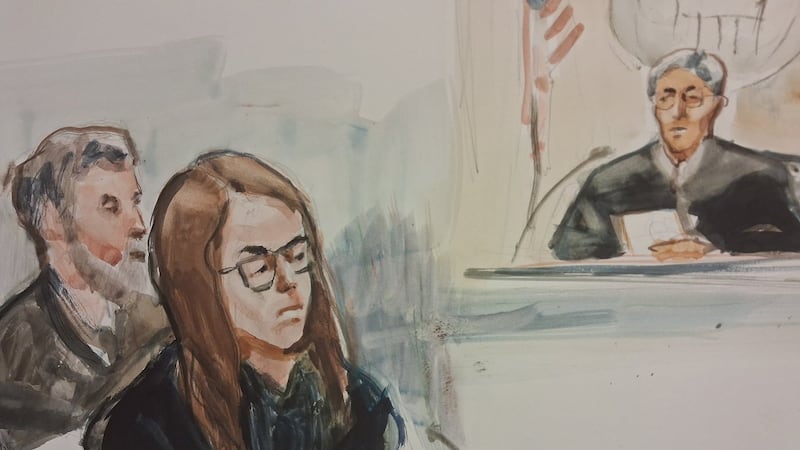
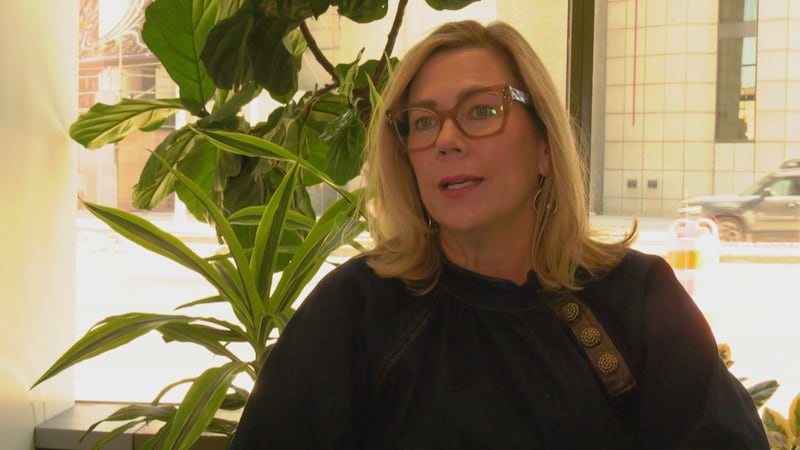
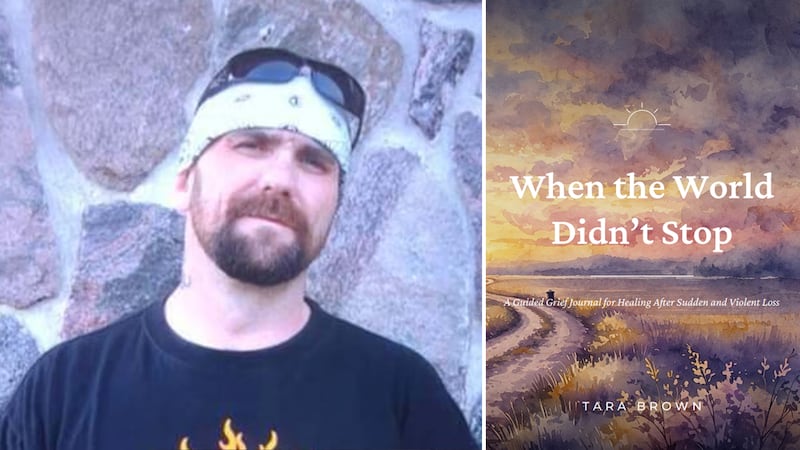
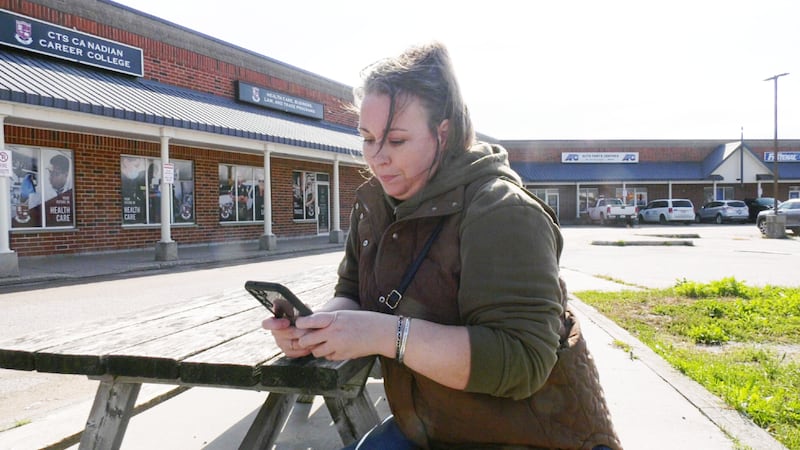
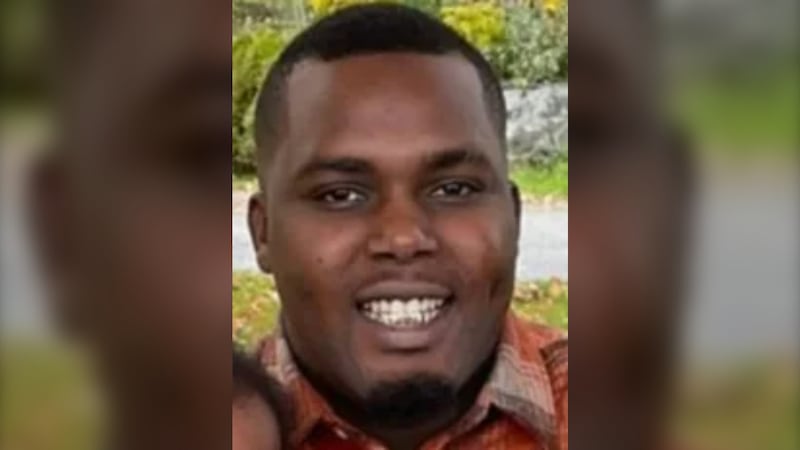
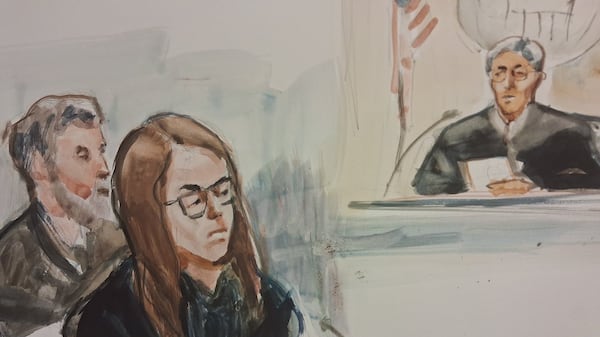
More than seven years after a Kitchener, Ont. man was kidnapped and killed, his family continues to grapple with his death while courts continue to deal with the case. Jason John Brown was abducted from a cemetery in Harriston, Ont. on March 12, 2019. He had allegedly gone there with a friend to pick something up. However, his body was found the following day at the side of Stevenson Road in Oshawa, almost 200 km away. Now, Brown’s youngest sister, Tara, is turning her grief into a guided grief journal she hopes will help others dealing with sudden and violent loss. She has written When the World Didn’t Stop, drawing on her own experience after her brother’s death. Tara said losing her older brother was unlike any grief she had experienced before. “Going through my brother’s [death] was totally different, and I found that there wasn’t a lot of people that understood why and how it was different. And so, I wanted to reach out to other people to let them know that they are not alone,” she told CTV News during an interview Wednesday. Charges and guilty pleas in Jason John Brown’s death Five people have been accused of playing a role in Brown’s death. Mathew Drummond of London was charged with first-degree murder and conspiracy to commit an indictable offence. Joshua Alexander Drummond of London and Steven Jon Walsom-Gerigs of Brantford were both charged with first-degree murder and kidnapping. Travis Willard Wand of Wellington North was charged with first-degree murder, two counts of assault with a weapon, kidnapping and other offences. Jessica Martin, a 35-year-old from North Perth, was also charged with first-degree murder and conspiracy to commit an indictable offence. Joshua Drummond pleaded guilty to the lesser charge of manslaughter and was given and eight-year sentence. Martin also previously pleaded guilty to a lesser charge of being an accessory after the fact to manslaughter. An agreed statement of facts said Brown had a “significant” drug habit and was a former prospect of the Outlaws Motorcycle Club. The four men charged in his murder were members or associates of the gang. The court had heard Brown was beaten with a baseball bat, tied up with duct tape and put in a vehicle before his death. He was taken to a gang clubhouse in Toronto and died either while he was enroute or after he arrived at the location. In Dec. 2025, Walsom-Gerigs and Wand pleaded guilty to charges related to the aggravated assault of Jason John Brown. They also pleaded guilty to assault causing bodily harm in relation to another person who had gone to the cemetery with Brown. The Crown said that person can no longer testify about what happened as they have since died. Drummond’s matter remains before the courts. His next scheduled appearance is Oct. 26, 2026. Turning grief into words Tara said the ongoing court process has made an already difficult experience even harder. She said writing became part of how she processed it. “It helped me get it out onto paper,” Tara explained. She said the journal took almost two years to complete because she needed time to reflect on her own feelings. “I had to take some time to myself and reflect on my own feelings and then go back to writing,” she said. “I’ve always liked to write, and so did my brother. Since he passed, I haven’t been able to write anything, and I thought that I wanted to write this to help others.” The book does not focus on the details of Jason’s case. Instead, Tara said it focuses on her experience with grief and includes prompts and affirmations that readers can use to express their own feelings. “And I think that should be able to help them, and understand that there are other people out there and what they’re feeling is normal, because a lot of the time you feel isolated.” “That adds a layer of trauma” Susan Cadell, a professor emerita at Renison University College and an adjunct professor at the University of Waterloo, said grief following a violent death can be particularly complicated. “Because it’s unexpected, because it’s sudden, because there’s often horrible circumstances, that adds in a layer of trauma. And systemic issues, like the process of justice taking years,” she explained. Cadell said families can also be forced to repeatedly revisit the circumstances surrounding a death while having little control over when a legal case will end. “Essentially, you’re having to relive it... when you add in the kind of public scrutiny, what happens with the trial and the lack of answers, it just makes it really potentially very, very difficult for the family or people close to the [victim].” She said guided journals can be one useful tool for people experiencing grief. “I do think that prompts and guided questions and that that sort of approach... can be a really powerful one.” Remembering Brown Tara said she chose the title When the World Didn’t Stop because of how she felt after her brother died. “I was in shock, obviously, when I first found out,” she recalled. “I just felt, how is everybody else still able to go about their lives like this? Mine just stopped. Part of me felt that everybody should stop and think about my brother and the world kept going.” Tara is also working on a second book focused more directly on Brown’s story, but said she is waiting for the court process to conclude. For now, she wants people to remember her brother for more than the circumstances surrounding his death. She said he was funny, lively and loved making people laugh. “I want people to see who Jason was. I want them to see who he was as a person.” Tara hopes her first book can reach people experiencing a loss they may struggle to explain to others. “I think that he would be proud and honoured that his story is going to be able to help people. I think he’d love that.” When the World Didn’t Stop is expected to be available through Amazon this week.