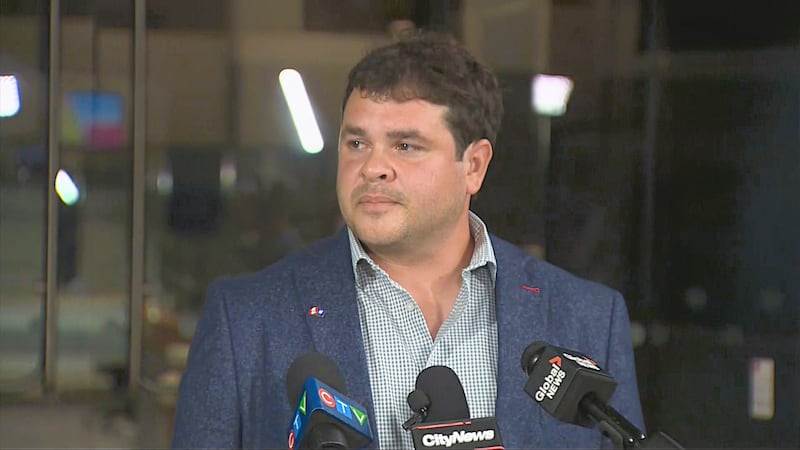
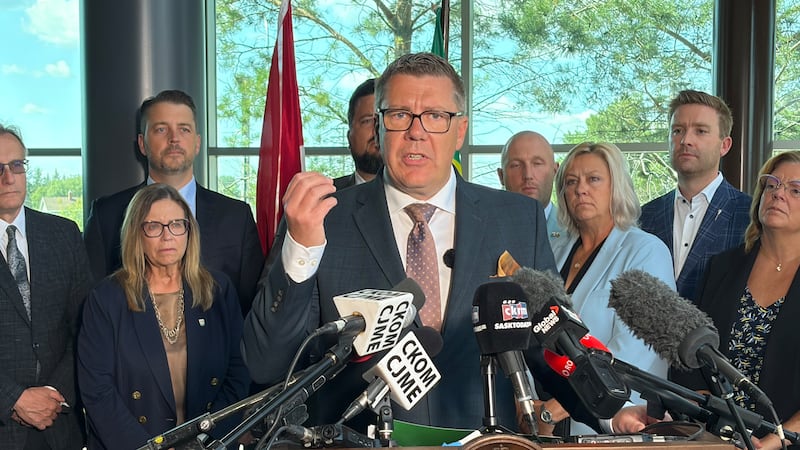
The results are in from the 2025-26 school years provincial assessments for both the anglophone and francophone education sectors. “I’ll be transparent, it was disappointing,” Education and Early Childhood Development Minister Claire Johnson told CTV News Atlantic. “It wasn’t the results that we wanted to see. “We would have rather see more improvements, however [the assessment results] they’re overall stable, which sometimes stability can be good news. It means the decline has stopped, so in a way that’s good.” The annual assessments are done yearly through various testing to see how the province’s education system is fairing year-over-year. Key results from the 2025-26 assessment results include: Anglophone Sector: Francophone Sector: For the anglophone school boards, students are tested from Grade 4 thought 10 with a French oral proficiency assessment also held in Garde 12. The francophone sector conducts similar assessments in Grade 2, 4, 6-8, and 10. Johnson notes the assessments in the 2025-26 school year were the last to be done under the province’s former 10-year education plan that was unveiled in 2016. This September a new plan has been rolled out. Johnson says the government’s latest plan refocuses on the fundament skills students need for success. Some of the ways to help achieve that are through the province’s new school food program, and the decision to ban cellphones at school during learning hours. “Students today are hugely distracted by so many different things,” says Johnson. “We need to really shift that focus and on learning, reading those fundamental skills. Johnson also highlights other measures taken by the government since being elected in 2024, including spending $19.3 million to hire more education assistants in both the English and French sectors. Paul Bennett, who is the director of the Schoolhouse Institute and has recently publish a new book highlighting the challenges facing New Brunswick students called “Struggling in Class,” says the results are far from ideal. “It’s not the way you want to start the school year with something that’s as dismal as this,” says Bennet. “[It] confirms that the school system is stagnating and students are not doing well at all in the elementary grades in particular.” Bennett says New Brunswick trails the rest of the country in terms of mathematics and reading scores, but does tend to test better than other provinces with science. He says a literacy and numerous secretariat should be hired by the province to oversee the issues and address the root cause of the scores. “There are one or two glimmering signs of hope,” says Bennett. “Being stable is better than continuing to go down the drain, but when you’re at this state that New Brunswick students are in now, I think it’s just not good enough.” Both Bennett and Johnson also point out the importance of being in class in order to see test grades improved. Last school year, New Brunswick had a chronic absenteeism rate from kindergarten to Grade 12 of 28.5 per cent. The province’s target is 29 per cent. For more New Brunswick news, visit our dedicated provincial page.