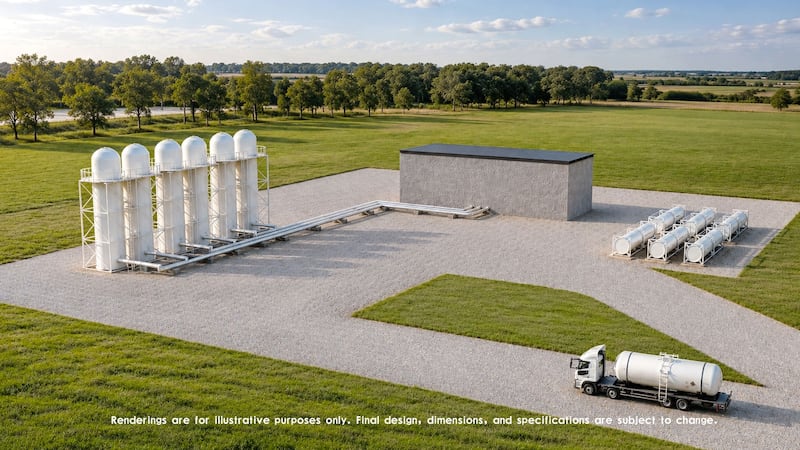
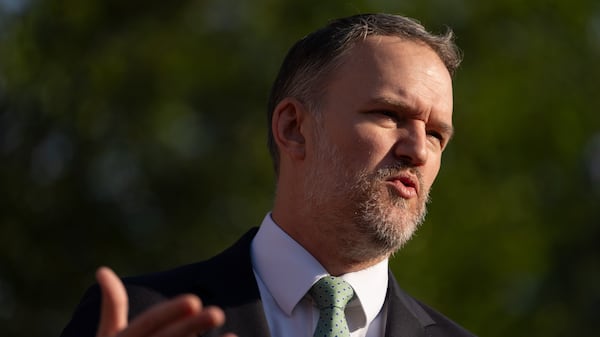
Kingsville mayoral candidates Dennis Rogers and Thomas Neufeld laid out plans to broaden the town’s tax base and give residents more input in municipal decisions during an AM800 debate Thursday, while both argued AI data centres should go elsewhere. Rogers, who is seeking a second term as mayor, faced Neufeld, a three-term councillor, during the discussion hosted by Kyle Horner. Four candidates are running for the position. Horner said AM800 invited all four, but Mary Ellen Havlik and Roshan Nallaratnam did not respond. Asked how they would manage rising taxes, both participating candidates said essential infrastructure needs continued investment. Neither offered a specific tax-increase target for next year. Neufeld said his approach would center on separating needs from wants, prioritizing sewage treatment over projects such as a new town hall. “I’m a taxpayer, too, so I feel that pinch,” he said. He also wants to attract smaller industrial and commercial businesses to spread the tax burden, including businesses that support existing local industries. He cautioned against relying too heavily on a single large employer whose departure could leave a major hole in the community. Rogers said infrastructure funding has increased during his first term, but more work remains. He pointed to his push to reduce money set aside for property purchases as an example of finding savings elsewhere in the budget. To encourage business investment, Rogers pledged a customer service review of the town’s building and planning department. “And that’s where we’re going to dig in and see, is there any barriers that are standing in the way of doing business?” he said. “Because the last thing we want is for us to stand in the way and we need to be open for business.” Rogers pointed to box and packaging companies as examples of industrial businesses he wants to attract, citing the area’s agricultural sector. Wastewater constraints were another focus, particularly in Ruthven, where Neufeld said limited capacity is affecting development and even some residents’ ability to add a bathroom. Neufeld wants dedicated sewer lines for industry to free up capacity for residential growth, saying the need warrants investment. “I know it’s going to cost a lot of money, but if we’re going to go into debt on something, it’s going to have to be on something that is a definite need,” he said. “And sewage and wastewater that is a definite need.” Rogers said a master servicing study would help identify bottlenecks and determine what infrastructure is needed for future residential, commercial, and industrial growth. He defended the town’s response to the Ruthven constraints, saying work had already allowed some previously purchased lots to proceed with construction. He also said he would continue working with developers and industry to seek provincial infrastructure funding. The candidates differed more sharply over how to involve residents in decisions. Neufeld wants to restore citizen advisory committees covering areas such as parks and recreation, planning, economic development, and tourism. He said a planning advisory committee could bring developers together with people living near proposed projects. The committees would advise council, which would retain decision-making authority. Neufeld criticized the committee-of-the-whole approach that replaced several committees, calling it “a failed experiment.” Rogers proposed task forces focused on major projects involving the waterfront, downtown, green spaces, and recreation facilities. They would include residents, business owners and other stakeholders, along with staff and one or two council members. He said participants would help develop plans and costs, with updates and opportunities for feedback from the wider community before council makes decisions. Rogers also sees room to improve committee-of-the-whole meetings by having staff present major upcoming items and inviting residents to discuss them. Transparency concerns extended to policing, with Neufeld proposing monthly appearances at council by the OPP’s staff sergeant. “It’s great that the mayor’s getting these updates, but is council getting these updates?” Neufeld asked. Both candidates supported the OPP’s role in Kingsville. Neufeld said he would examine whether preventive measures could reduce repeat calls for service and associated costs. Rogers defended the existing reporting process, pointing to public police board meetings, updates to councillors and opportunities for council members to bring questions forward. “So, to me, it has been an open process,” he said. He suggested a police board update could also be incorporated into a revamped committee-of-the-whole process. On AI data centres, both candidates said Kingsville’s current zoning does not permit them and expressed opposition to locating them in the town. Neufeld acknowledged a future for the technology but said opposition to data centres was the sentiment he was hearing from residents, and that his position aligned with theirs. “Do they need to be in Kingsville? No,” he said. Rogers supported a regional study to help municipalities address the issue. He also cautioned against using a temporary development freeze too early, given the limited period such a measure would apply. He pledged to raise the issue with the premier, arguing Kingsville should focus on its agricultural role. “They can go somewhere else. Let us grow food. Let us stick to what we’re good at,” Rogers said. In their closing remarks, both candidates pointed to experience as a reason voters should choose them. Neufeld cited his 12 years on council and asked voters to support his move to the mayor’s chair to help build a healthier, more engaged Kingsville. Rogers emphasized the relationships he has developed with council and administration, arguing continuity would help the town carry out its plans. Election day is Oct. 26.