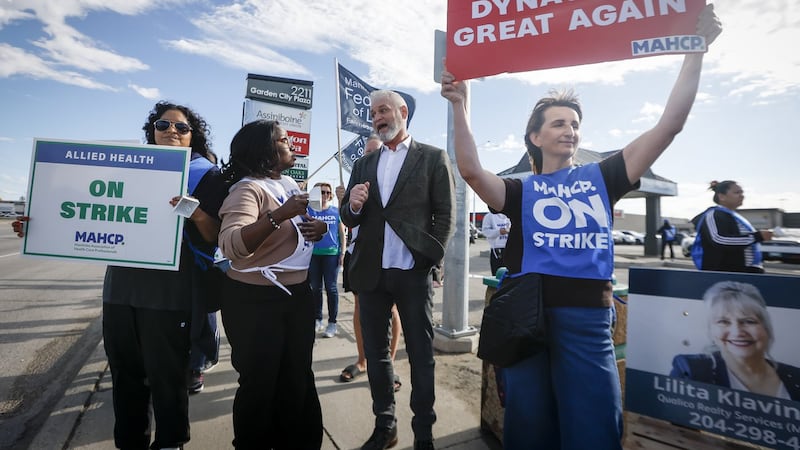
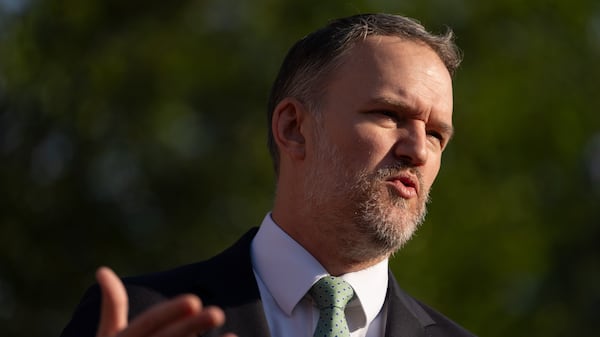
WINNIPEG — The terrain of the ongoing collective bargaining battle involving workers who do medical tests across Manitoba shifted Thursday with a ruling from the province’s labour board. The board, in a written decision, said the staffers who carry out and interpret medical tests for the private company Dynacare are to be classified as essential workers in the event of a future strike or lockout. The board said it accepted the province's argument that the testing, while routine, can have major ramifications on everything from cancer diagnoses to strokes. It noted on average 15 routine tests a day find critical issues in patients. "An interruption or a significant backlog to those services would create a clear and foreseeable risk to health and safety,” the board stated. The board ruled that in the event of a strike or lockout, core functions like lab testing, home visits and mobile collections must continue. Dynacare's 23 locations in the province provide about half of blood sampling services and 40 per cent of lab testing, performing more than 24 million lab tests a year. The decision notes that Dynacare estimates a backlog of about 34,000 per week if workers were to go on strike and that testing through Shared Health is already strained. More than 350 workers went on strike in early September only to have the province secure an interim order from the labour board to send them back to work the next day. The company and union still need to hash out what an essential services agreement will look like on top of existing contract talks. Union president Jason Linklater said the labour board has given the company and government exactly what they wanted. "These people have been trapped by government and by Dynacare, and it's a very terrible situation that they've been put in, and it's certainly a red flag to any unionized employee in this province," Linklater said. He said the NDP government isn't standing up for health-care workers and needs to fix the contract it signed with the company. "Only government has the ability to ensure that this problem is solved and that these wages are dealt with." The union – the Manitoba Association of Health Care Professionals -- has been pushing for higher wages, saying its workers earn 20 to 50 per cent less than counterparts in the public system. Since members were forced back to work, wait times on weekends have been growing as some locations haven't opened due to staffing issues. Dynacare welcomed Thursday's decision, saying it has reached out to the union to negotiate an essential services agreement. It said the process will determine which specific services, roles and staffing levels are necessary. Manitoba Health Minister Uzoma Asagwara said the government is working to fully understand the ruling, but said it's up to the company to fix the underlying problem. "My message remains the same to Dynacare: get to the table and give those workers a fair deal." Premier Wab Kinew has been outspoken on the issue. It was his government that ended the strike after one day on Sept. 8 when it went to the labour board to seek an emergency decree to order staff back. Kinew said at the time that the workers were right to be frustrated, that they deserved a pay raise and that “Dynacare sucks,” but said as leader his job is to ensure essential health services are available. He blamed the issue on previous governments outsourcing to private providers fundamental public services like health care. He mused about de-privatizing the testing but warned that would be an extremely costly proposition. This report by The Canadian Press was first published Oct. 1, 2026. Ian Bickis, The Canadian Press