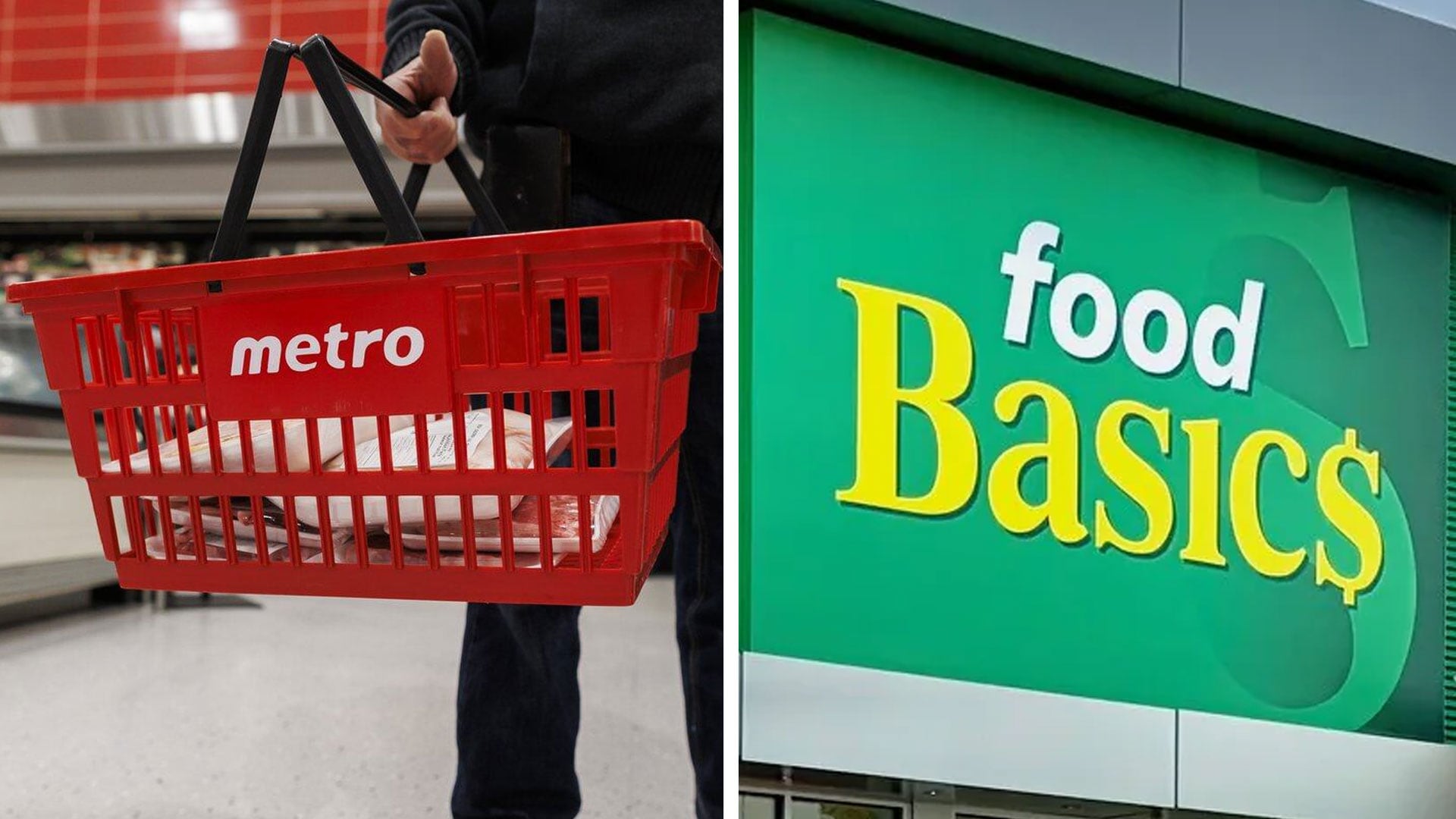
A Metro in the city’s west end is the latest grocery store to transform into a low-cost supermarket. The Metro at 1230 Queen St. W. is set to shut down and reopen as a Food Basic, Metro’s low-cost grocery chain. In an email, a Metro spokesperson confirmed the change, saying that the Food Basic store would open in early 2026. In total, Metro is converting 12 stores in Ontario “as part of its ongoing efforts to ensure the right banner is serving the right community and to better respond to customers’ growing demand for value.” These include stores already opened in Ottawa’s Southgate and in North York. A Metro store in Mississauga and another in London, Ont., will also soon be operated as Food Basics. The changes are the latest in an ongoing trend of higher-end grocery stores being converted into discount supermarkets. In September, a shuttered Whole Foods was taken over by a No Frills, while in March, a Loblaws in Roncesvalles was also turned into a No Frills. ‘A rebranding process’ Daniel Tsai is a business lawyer and consumer rights advocate. He told CTV News Toronto the trend reflects consumer demand. He explained that discount stores like Dollarama become extremely resistant and actually thrive in recessionary environments. “Businesses that are able to cater to cost-conscious consumers who are very mindful of their dollars, they tend to do well,” he said in a phone interview. “So, this is not a new strategy.” He said big box stores have had to adapt to maintain and increase their market share by resorting to low-cost brands, which ultimately doesn’t come at a big cost for the parent company. “They’re using the same supply chain, they’re using the same retail spaces,” Tsai said. “What they’re really doing is engaging in branding. This is a rebranding process of taking these expensive, high-end stores…and offering consumers cheaper options.” Tsai stressed that the low-cost grocery conversions entrench the big grocery store chains in Canada to maintain a dominant market share. He said that in order for that to change, more competition is needed. “What we really need is to encourage external competition, including foreign players from Europe, Asia, and elsewhere that want to set up shop here and really drive these high prices down,” he said.