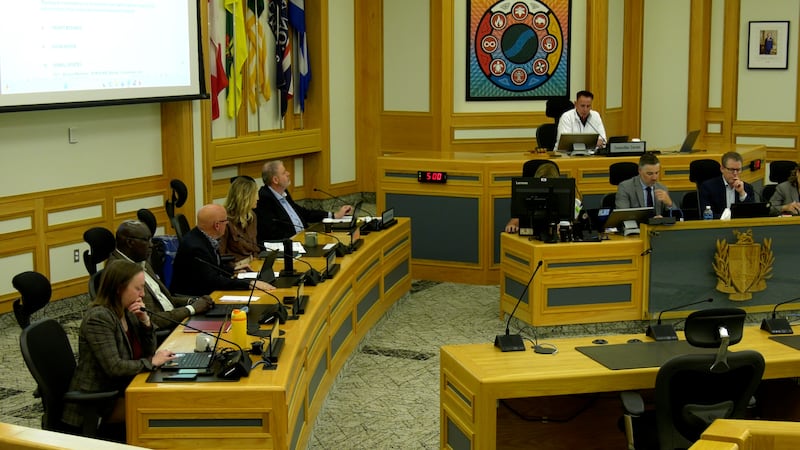
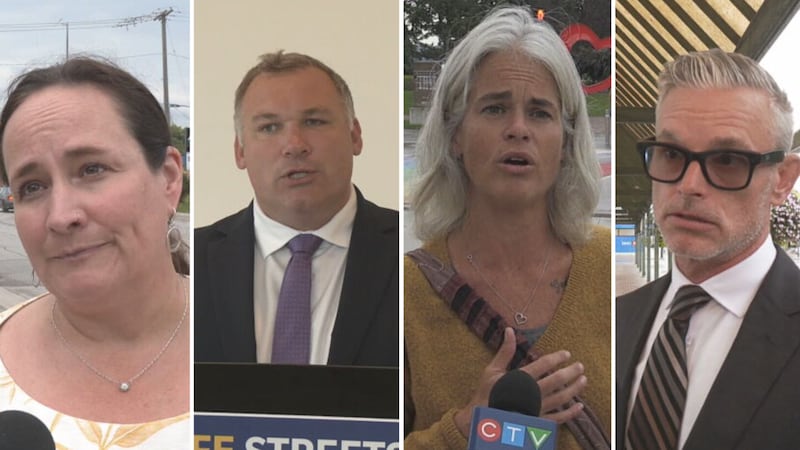
Regina’s city council approved continuing, and possibly expanding, its fare-free transit project for some high school students. The city approved continuing its Johnson Collegiate Fare-Free Pilot Project for the 2026-27 school year, in addition to approving the findings from the project’s implementation last fall. The fare-free transit program allowed students from F.W. Johnson Collegiate to use the city’s transit services for free from Sept. 2 to Dec. 31, 2025. The motion passed 6 to 5 at Wednesday’s meeting with councillors Dan Rashovich, George Tsiklis, Mark Burton, Jason Mancinelli and Clark Bezo voting against. Council’s approval also includes exploring opportunities with school divisions to support student transit usage, student transit training, along with implementation and evaluation of the pilot. From those discoveries, city administration is directed to report back to city council by Q3 2027. Various residents voiced their support for continuing the project, stating they witnessed the positive outcomes it had on youth. “Reliable transportation ensures students can attend school consistently, participate in extracurricular activities, access libraries, jobs, volunteer opportunities, and community programs regardless of family income,” Terri Sleeva told council, representing the Regina Citizens Public Transit Coalition. “It reduces financial pressure on households while promoting independence and mobility for young people. I’d rather see my teenagers taking the bus safely and responsibly.” Another delegate, Jim Elliott, said the pilot project should have ran for a year to have a better understanding of its benefits and challenges. “I believe all the benefits that we have by having the youth riding the bus are not necessarily monetary, and therefore I think we tend to degrade the value of the choice by simply looking at the financial stuff,” Elliott said. Ward 8 Coun. Shanon Zachidniak said continuing the pilot program is a good start. “We’ve started conversations of what could or would happen next, which would involve tangible support like contributions from either the school boards or students or whatever it is to be expanded to in a bigger way,” she said. “Those conversations are ongoing and would continue.” The cost to run the program was $49,000 – resulting in a loss of revenue for the city due to the free passes and administrative expenses. However, Ward 9 Coun. Jason Mancinelli said the costs to run the program may further hinder the city’s budget. “I don’t believe I can support this amendment. I want to invest in transit. I want transit to work, driving through the city with the increased cars per block, it’s pretty easy to see a lot of people aren’t comfortable driving. They have problems getting up to the speed limit, they’re not comfortable in lane changes. We have pretty good saturation on our streets and we need transit,” Mancinelli said at the meeting. “But going through last year’s budget and looking at the investment per dollar for what it gets us and the projected costs to provide free transit for all … the capital and operating are almost $20 million and I know after last year’s budget that’s not really obtainable right now.”