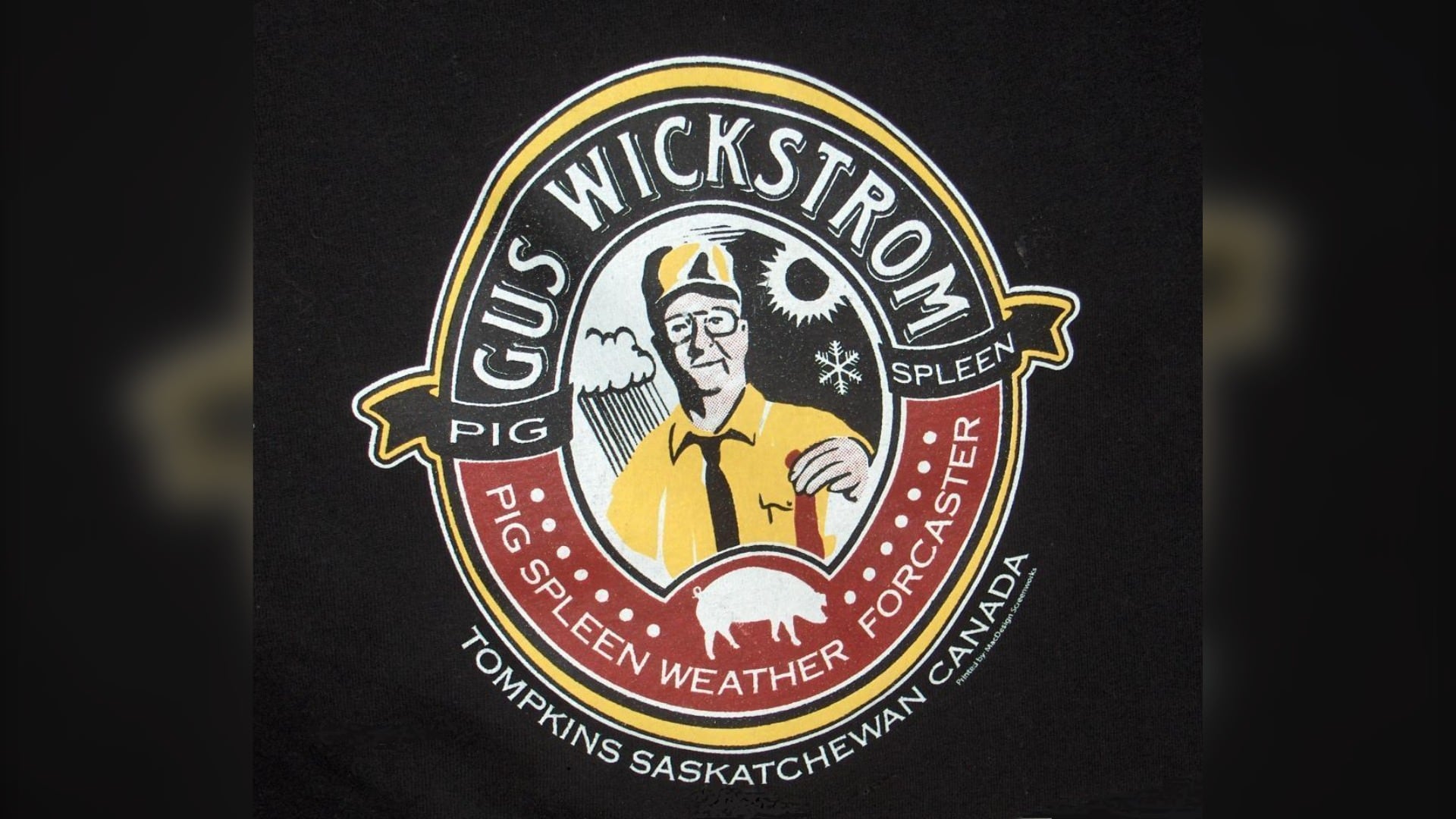
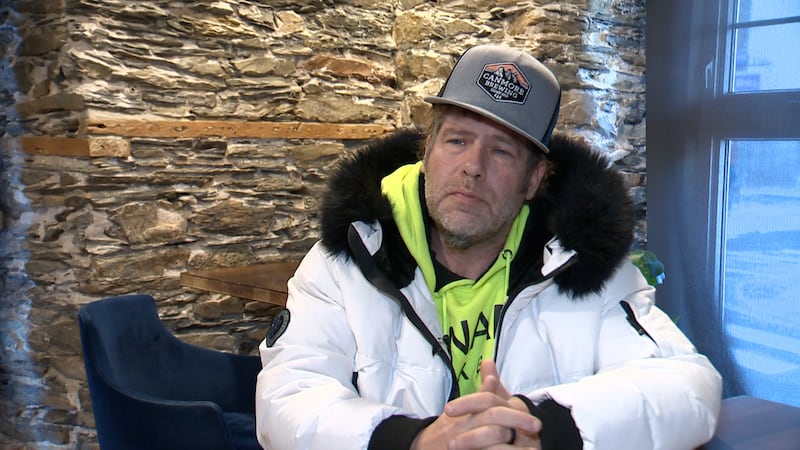
Saskatchewan may not have an official groundhog, despite several attempts to establish one, but it does have a weather forecast based on ‘reading’ a pig spleen. Located in Tompkins, Sask., about 320 kilometres southwest of Regina, Jeff Woodward inherited the skill from his uncle, Gus Wickstrom. Since Wickstrom’s passing in 2007, Woodward has continued the tradition, releasing his forecast for a 200-kilometre radius of Tompkins for 2026 on Thursday. Dozens of pig spleens are collected from area farms to build the forecast. “This year’s analysis proved unusually challenging, due to significant variability among the spleens,” Woodward wrote on his “Pig Spleen Weather Prognostication” page. “However, one specimen stood out, because of its size, and the presence of two clearly defined rows of fat.” Based on Wickstrom’s methods, the spleen is divided into six equal sections, representing the months from January to June. The forecasting is largely based on patterns of fat in the spleen to predict different weather factors, including precipitation, temperature and deviation from normal seasonal conditions. “The presence of two rows of fat, suggest repeated and pronounce departure, from typical weather patterns, indicating frequent, and significant temperature fluctuations,” the post said. Woodward continues on to say his forecast points to a volatile winter, with major changes in weather every 10 to 14 days. “Periods of relative warmth are expected to be followed by abruptly sharp cold snaps, resulting in little sustained seasonal consistency. These changes will be accompanied by a lot of wind.” The prognosticator also predicts warmer-than-normal temperatures to continue through the rest of the winter, albeit with rapid downward temperature swings. Woodward said the spleen forecast is “subject to change due to decomposition and better interpretation.” “With the warming of the environment, pigs can become confused as to what the upcoming winter will be like,” Woodward said. “All collected specimens were examined carefully, but one specimen presented a clearer interpretive narrative, than all the other others.” The process will be repeated next fall using new specimens and the same methodology, while current specimens will be disposed of due to sanitation. Woodward says the method is based on centuries-old, agricultural folklore. In terms of other long-term forecasts, the Old Farmer’s Almanac, predicted a wet, mild winter for southern Saskatchewan in its 2026 edition, while meteorologists predicted in November that Manitoba and Saskatchewan were most likely to see cold temperatures this winter compared to the rest of Canada. “When it’s cold, it will be severely cold. And the influences of the polar vortex mean your cold shots, which are typically cold, will be even colder,” Weather Network Meteorologist Doug Gillham told the Canadian Press. Gillham added cold temperatures could linger into March on the prairies. The groundhog forecasts are still to-be-determined, with an update expected Feb. 2: Groundhog’s Day. - With files from David Prisciak and the Canadian Press