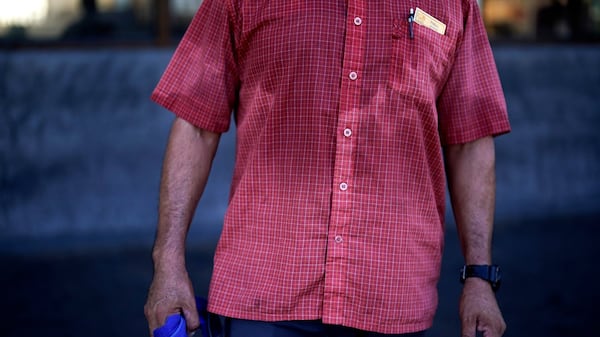
When it’s really hot out, getting dressed seems pretty simple: Wear something light, loose and made for summer. But textile researchers say it’s actually a little more complicated than that. The fabric matters. But so does how heavy it is, how the clothing is made, how it fits and even what colour it is. What works best also depends on what you’re doing and how much you’re sweating. With extreme heat a growing public health concern, scientists are developing and studying clothing designed to help people stay cooler. But clothing is only one component of the body’s response to heat. Clothing should allow the body’s natural response to heat to work, said George Havenith, emeritus professor of environmental physiology and ergonomics at Loughborough University. “It’s a really powerful mechanism from humans that we can defend our body temperature with,” Havenith said. “The most important thing in the selection of clothing would be to make sure you do not hamper sweat evaporation.” Look for lightweight, breathable clothing In hot weather, look for lightweight clothing that allows air to move through the fabric and reach the skin, which can help sweat evaporate. Researchers refer to this property as air permeability. The fiber listed on the tag is only part of what determines that. How fibers are woven or knitted also affects how easily air passes through. “For greatest airflow, open weave and loose knit structures are best, free of any water- or soil-repellent finishes. Cellulosic fibers, like cotton and flax (linen), tend to be more breathable and comfortable,” said Meredith McQuerry, a professor at Florida State University who studies clothing development and performance. Linen can be a good option, but “linen” on the label doesn’t tell the whole story. She said shoppers shouldn’t rely on fiber content alone. A more open woven structure will generally be more breathable, regardless of the garment’s fiber. Wicking is slightly different. Wicking fabrics are designed to move sweat away from the skin and spread it across a larger surface area, which can help it evaporate faster. Engineered synthetic fibers are commonly used in sportswear, said Havenith. But wicking and cooling are not necessarily the same. Moving sweat away from the skin can make clothing feel drier, but evaporation that happens farther from the skin can provide less direct cooling. Fit matters too. Havenith recommends garments with enough room for ventilation, especially in hot outdoor conditions. McQuerry, however, noted that the right fit can depend on what you’re doing. Someone exercising outdoors might prefer a tighter-fitting synthetic tank top, while someone sitting on a porch or doing light yard work might be more comfortable in looser cotton T-shirt. “In casual settings, wearers may prefer a looser fit that allows for more airflow while standing or sitting. If performing physical activity, a tighter fit may be preferred to enable quicker sweat evaporation,” said McQuerry. Cotton, polyester and why there is no perfect fabric People choosing between cotton and polyester should consider how much they expect to sweat and what they’ll be doing. Cotton absorbs sweat but can become heavy when saturated, while engineered polyester can move moisture across the fabric and dry quicker, one reason synthetic fabrics are so common in athletic clothing. During exercise, polyester tends to continuously evaporate sweat, while cotton will work well for a short period until it has absorbed all it can, said Po-Chun Hsu, an assistant professor at the University of Chicago who studies materials and sustainability. “Imagine you are wearing a wet T-shirt? Of course you get this evaporation going on, but then you also block the breathability and you won’t feel very comfortable when it’s completely wet,” he said. Polyester is widely used because it is inexpensive, durable and versatile, but not all performs the same way. It absorbs very little moisture naturally, which can make polyester that hasn’t been treated or engineered uncomfortable in hot conditions as sweat accumulates against the skin, said Jonathan Chen, a professor at the University of Texas at Austin who studies textiles and apparel. But it can be engineered to move sweat across the fabric and help it evaporate. Chen suggests looking for lightweight polyester garments designed for breathability. A porous athletic shirt can behave very differently from a dense garment, even if both labels say 100% polyester. Cotton can have another role in extreme heat. Havenith said deliberately wetting clothing can provide evaporative cooling, including for older adults who may not sweat as effectively. Sunlight and ‘cooling’ apparel People spending extended time outdoors in direct sunlight should prioritize covering skin to protect against UV exposure and sunburn, Havenith said. Loose, ventilated clothing can provide coverage without sacrificing airflow, such as a lightweight long-sleeved shirt. Colour can matter too. White, lighter-coloured or highly reflective fabrics can reduce heat gain by reflecting sunlight instead of allowing as much energy to be absorbed, Hsu said. Hsu said researchers have already made substantial progress in managing sweat and moisture, while engineering clothes to reflect more incoming sunlight remains a developing area. Consumers should also look beyond the word “cooling” on labels. Hsu said some cooling fabrics are designed primarily to feel cold when they first touch the skin, an effect that can fade as the material warms. “If it doesn’t really, let’s say, increase the evaporation of the surface area or reflect the sunlight or enhance the breathability, then it’s quite unlikely that it will have any continuous cooling effect,” Hsu said. Some approaches go beyond the fabric itself. Fan-equipped clothing has become increasingly common among outdoor and factory workers in Japan. The garments use small fans to circulate outside air underneath the clothing, helping sweat evaporate. Havenith said the garments can improve comfort and lower skin temperature, but don’t do much to reduce core body temperature. Battery capacity is also a limitation because of the additional weight, although he expects improvements as battery technology develops. How effective the fans are also depends on the conditions. “It should work in all conditions where air temperature is below skin temp. ... In very dry air, the effect may be limited as the sweat evaporates anyway,” said Havenith. For shoppers, the researchers’ advice comes back to looking beyond a single word on the label. Consider whether a garment is lightweight, how easily air moves through it, how it handles moisture, how it fits, whether you will be in direct sun and what kind of activity you will be doing. There may not be one perfect fabric for extreme temperatures, but there are ways to choose clothing that works with the body’s cooling system rather than against it. ___ The Associated Press’ climate and environmental coverage receives financial support from multiple private foundations. AP is solely responsible for all content. Find AP’s standards for working with philanthropies, a list of supporters and funded coverage areas at AP.org. Aya Diab, The Associated Press