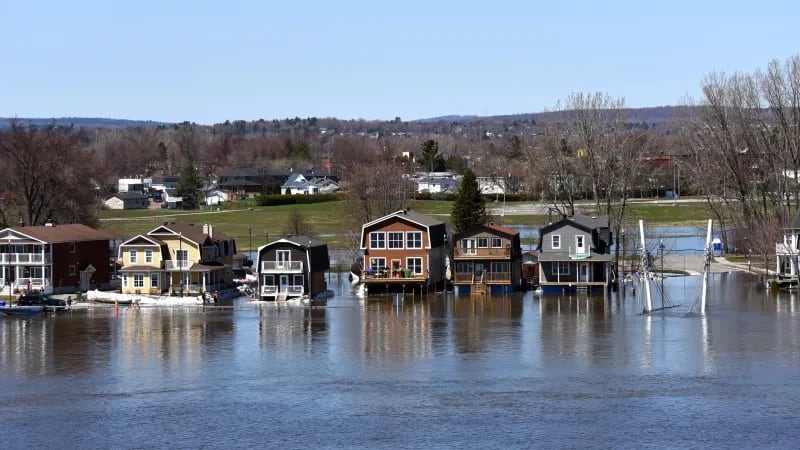
Flooding is an increasingly common reality for Canadian homeowners. From sudden summer downpours and spring snowmelt to overwhelmed stormwater systems, even neighbourhoods with no history of flooding can experience serious water damage after a severe storm. As extreme weather events become more frequent, preparing your home before the next storm arrives has never been more important. To help homeowners stay informed and prepared, here are five things to know about floods to stay safe and prevent or minimize damage to your home. 1. You don’t have to live near water to be at risk Heavy rainfall can overwhelm aging infrastructure and storm drains, leading to basement flooding in communities that have never experienced it before. In fact, 80% of Canadian cities are actually in flood zones. That’s why it’s important to be prepared in case you ever face floods. 2. Preventative maintenance that could help prevent costly damage While no home can be completely flood-proof, regular maintenance can significantly reduce the likelihood of water entering your home. Spend a few minutes this weekend inspecting these three key things around your house: Flood risk isn’t always obvious, which is why understanding how it applies to your home can make a meaningful difference to how you prepare. Flood preparedness guidance from CAA North and East Ontario helps homeowners identify potential vulnerabilities, understand local risks and take practical steps before severe weather hits. 3. Home upgrades that can offer added protection Beyond routine maintenance, certain home improvements can help reduce damage during major storms. A licensed plumber can assess whether your home would benefit from a sump pump, backwater valve or drainage system improvements. A sump pump helps remove groundwater around your home’s foundation, while a backwater valve helps prevent sewage from backing up into your basement when municipal systems become overwhelmed. If you already have a sump pump, don’t wait until severe weather is in the forecast to test it. Routine inspections and maintenance help ensure it’s ready when you need it most. Many municipalities also offer rebate programs for flood prevention upgrades, so it’s worth checking what’s available in your area. 4. Don’t wait for the weather to change Preparing for flooding isn’t just about protecting your home. It’s also about making sure your family can respond safely if flooding occurs. Both federal and provincial governments recommend putting together an emergency plan and assembling a 72-hour emergency kit. This should include drinking water, non-perishable food, medications, flashlights, batteries, a first-aid kit, extra clothing and copies of important documents stored in waterproof containers. You should also review home insurance policy to understand what types of flood damage may or may not be covered before an emergency happens. Flooding can escalate quickly, which is why knowing how to respond is just as important as understanding the risk itself. CAA North and East Ontario’s guide to flooding risks outlines what to expect before, during and after a flood, along with practical steps to make your property more resilient. 5. Safety should always come first Above all else, your personal safety is more important than protecting your belongings. Keep monitoring weather alerts and follow guidance or evacuation orders from local authorities. Never drive or walk through floodwater, because even shallow water can hide dangerous debris, damaged roadways or fast-moving currents. If it’s safe to do so before water reaches your home, unplug electrical appliances, move valuables to higher floors and store hazardous household chemicals away from rising water. Once flooding has occurred, avoid consuming food that’s come into contact with floodwater, and have septic systems inspected before using them again. Protect your home (and peace of mind) While you can’t control the weather, you can take practical steps to make a real difference when the next major storm arrives. From preventative maintenance to emergency planning, preparation can help reduce the risk of damage, protect your family and give you greater peace of mind. Visit caaneo.ca to learn more about being prepared well in advance for extreme weather conditions.