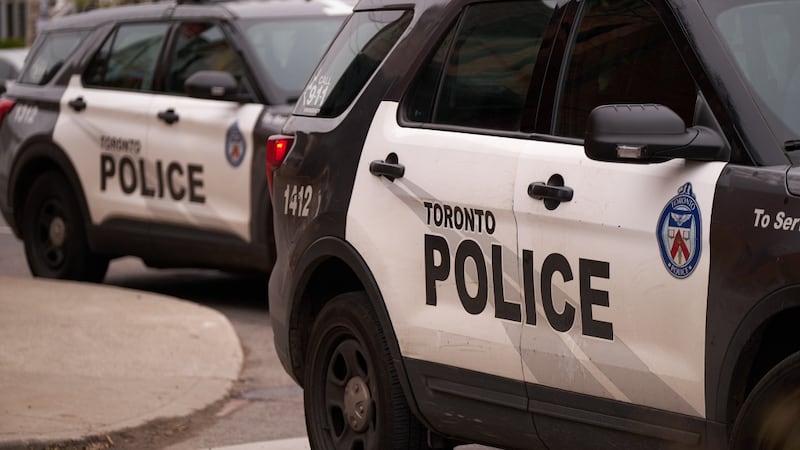
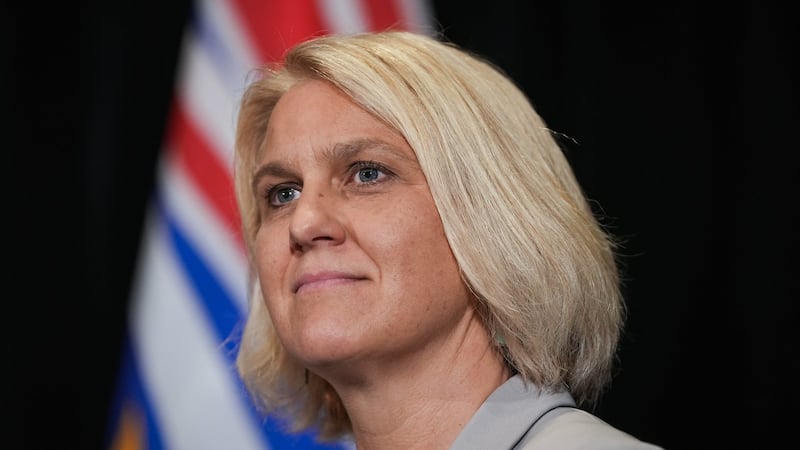
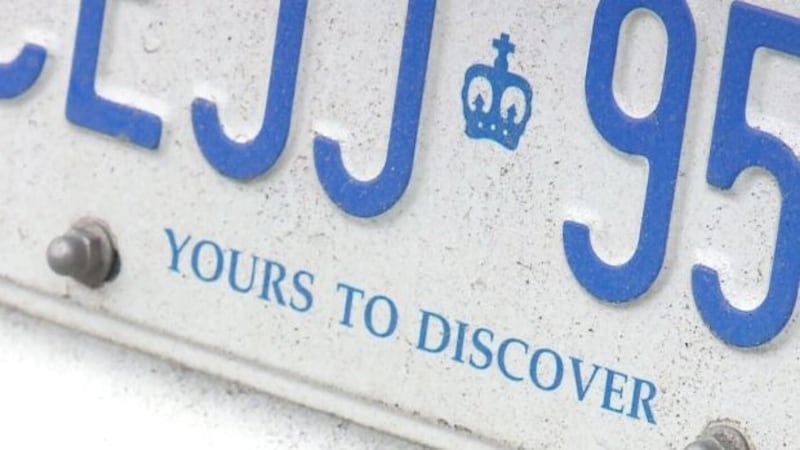
The longstanding issue of residents of the Outaouais keeping Ontario licence plates on their cars has been raised on the Quebec election trail. Coalition Avenir Québec (CAQ) leader Christine Fréchette’s team issued a news release on Friday, saying a re-elected CAQ government would strengthen efforts to combat Quebec residents with out-of-province plates, which officials say are used to dodge taxes. “The goal is to better coordinate the interventions of the various organizations involved in order to make the process more effective and ensure that the rules are respected throughout the [Outaouais] region,” the release from Team Fréchette said, translated from French. “The rules must be the same for everyone. When someone deliberately tries to circumvent their tax obligations, we must ensure that they are identified and that appropriate measures are taken.” Provincial law requires new residents to register their vehicles with the Société de l’assurance automobile du Québec (SAAQ) within 90 days of moving into the province to receive Quebec plates. Last year, the Gatineau police department asked residents to call 3-1-1 to report neighbours who had been living in the province for more than three months and who were still using out-of-province plates, typically from Ontario. Gatineau police tell CTV News Ottawa that since the start of the operation, they’ve received 2,880 complaints, have sent 220 files to Revenu Québec, and have issued 162 tickets, as of July 22. The fine is $200, with fees bringing the total fine to $336. It came as the City of Gatineau established a new vehicle registration tax to help fund public transit. Under the plan approved by council, each registered vehicle is subject to a $90 fee in 2026. The CAQ says it would work with other regional municipalities in the Outaouais to coordinate similar efforts. “In the Outaouais, we know that the border situation can create unique challenges,” said a quote attributed to candidates from Team Fréchette. “Significant efforts are already being made by Revenu Québec, the SAAQ, police forces, and the MRCs, and the results demonstrate that these interventions are bearing fruit. For our team, it is essential to continue working together to make interventions even more effective.” Voters in Quebec head to the polls on Oct. 5.