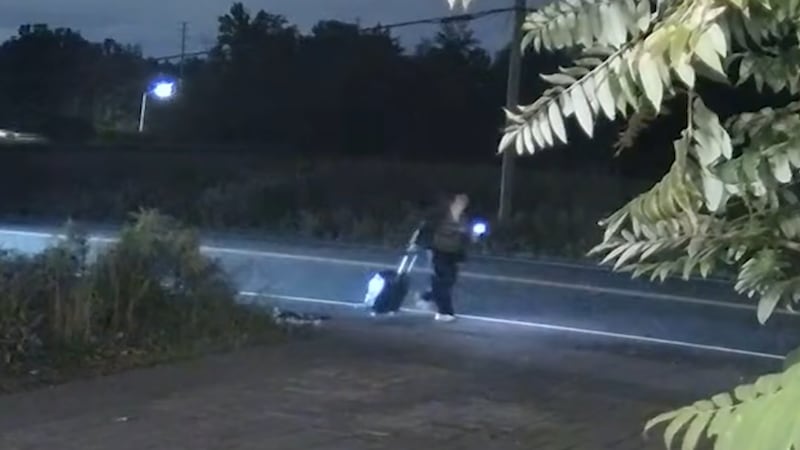
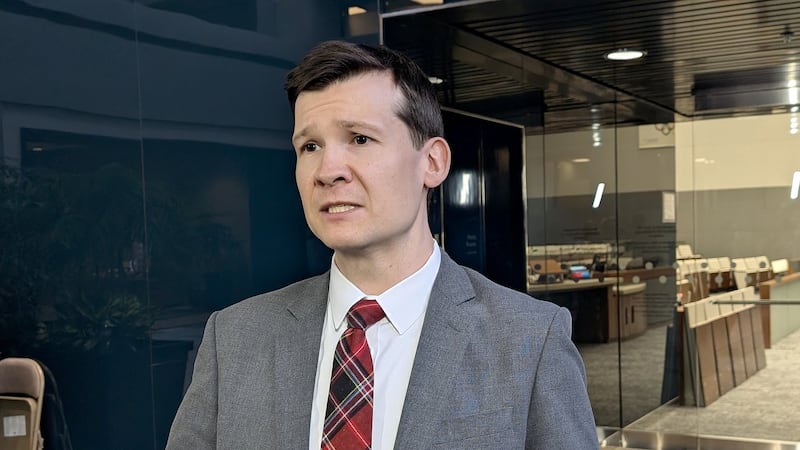
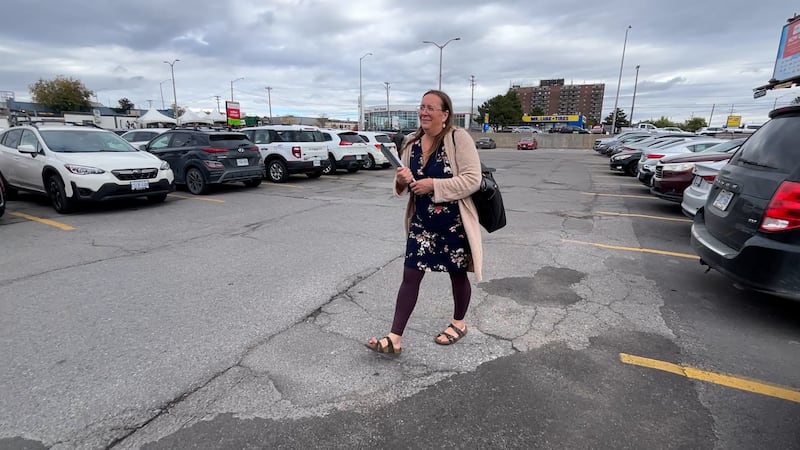
Ontario’s decision to freeze OSAP at all private career colleges amid concerns about possible criminal activity, including fraud, is leaving thousands facing an uncertain future. The province says investigations have raised concerns about widespread misuse of student financial assistance, prompting a system-wide freeze. But students at Algonquin Careers Academy say they’re now struggling to pay their bills, keep a roof over their heads and continue their education. For Tricia Tenaglia, going back to school was supposed to be a chance to build a better future for herself and her family. Instead, she is living in a rental truck with her 15-year-old son and their three dogs, while facing mounting financial pressures. “Now we’re in a situation where all our bills are late, my credit is destroyed, I have no funding, I have nowhere to live, I have no car. It’s pretty desperate,” Tenaglia said. The college says 80 per cent of students rely on OSAP funding, while more than half are over the age of 35. Many are returning to school in hopes of starting a new career and creating a better life for themselves and their families, including Kaitlynn Ford. “I’ve been tired of dead-end jobs, and this is why I decided to come back for a second career,” Ford said. “I can’t pay my rent for October. I don’t know how I’m going to do it for November.” The students shared their struggles during a discussion at the Ottawa college with interim Ontario Liberal leader John Fraser and Liberal-MPP Tyler Watt. Their stories left Algonquin Careers Academy President Des Soy visibly emotional. “I mean, I can’t describe it,” he said, fighting back tears. When asked what happens for students and for the school if the province doesn’t unfreeze student loans he said, “Well that’s Armageddon.” The Ford government says the funding freeze follows investigations into potential misuse of OSAP at private career colleges. In a statement, the province said it has already taken action not to renew OSAP eligibility at six campuses, but concerns have since emerged that the problems may be more widespread. “While the ministry’s initial investigations focused on a few schools, with the ministry since taking action to not renew OSAP at six campuses, in recent weeks we’ve seen evidence of systemic issues,” ministry of colleges, universities, research excellence and security press secretary Bianca Giacoboni said in a statement. “At this time, we do not have assurances from the audit team that the issues are not more widespread. That is why we have taken a system-wide approach and paused OSAP funding while the investigations continue.” But critics argue the province’s decision is punishing students who have done nothing wrong. “Look who’s paying the price,” Watt said. “The minister needs to own up to his mistake. He himself has admitted he’s known about this since 2024, so why did he wait until seven weeks into the new year and new program?” The Ontario Liberals are calling on the government to address concerns about potential misuse without disrupting funding for students attending legitimate programs. “The government doesn’t want to come clean and be open about what’s happened here, about the amounts and how we got here,” said Fraser. In the meantime, Algonquin Careers Academy is providing students with textbooks and allowing them to continue their studies without paying tuition upfront. But the college says there is a limit to how long it can continue operating under the current situation. “Under certain circumstances we can keep training until April. Under other scenarios we may be looking at December,” Soy said. He warns that if private career colleges are forced to close, the consequences could extend beyond the classroom. According to Soy, closures could worsen existing health-care staffing shortages, including among personal support workers and pharmacy technicians. Many private career colleges provide training for students entering these fields, raising concerns about the potential impact on the future workforce. For now, there is no clear timeline for when the OSAP funding freeze will be lifted. That uncertainty is leaving students wondering whether they’ll be able to finish the programs they started. For Tenaglia, who is studying to become a paralegal, walking away from her education is another setback she’s determined to avoid. “Maybe I’ll just start selling everything I own,” she said. “I’m really committed to this paralegal program. I don’t want to quit.”