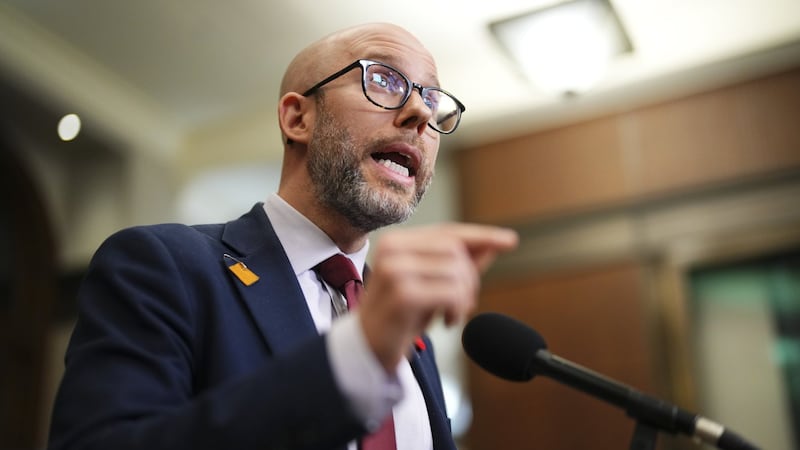
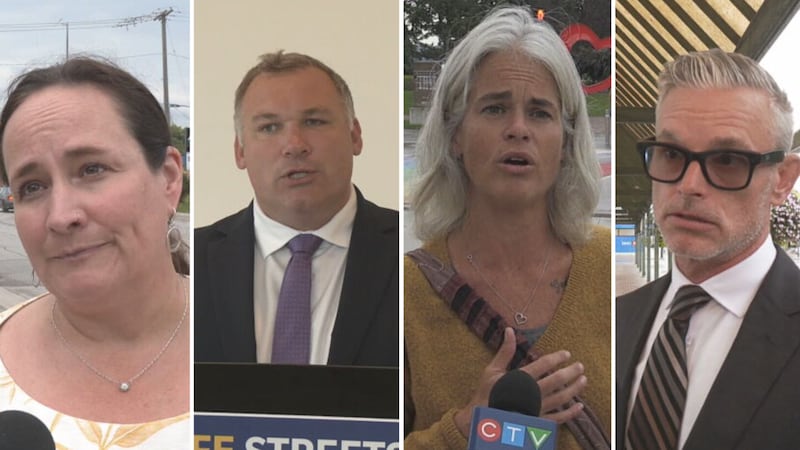
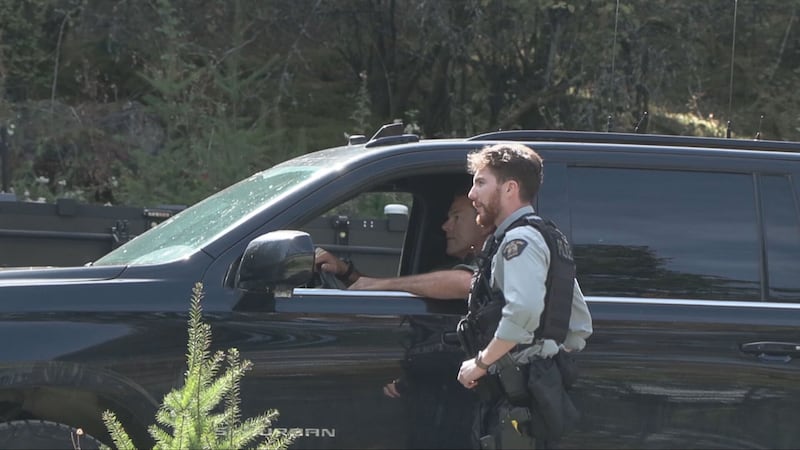
Police on Montreal’s South Shore say violent crime involving youth is spiking. Longueuil police unveiled a new strategy — centred on schools — to try to turn the trend around. Teens now account for 19 per cent of all violent offences across the territory, including crimes involving knives, pepper spray and even guns. To Chief and community groups. Police Chief Patrick Belanger says a series of recent incidents forced action, including a fight in late January across from a high school in Brossard. “We will maximize our presence in and around schools with police officers fully dedicated to schools,” said Belanger. The strategy means more officers — in uniform and in plain clothes — focused on arrival, lunch, and dismissal. For Brossard Mayor Doreen Assaad, the goal is to step in before fear sets in. “We don’t want our kids to grow in an environment where they’re concerned, where parents are worried, where business owners are highlighting issues,” she said. In 2025, nearly one in five violent crimes involved a young person aged 12 to 17. And Longueuil police point to a steep increase compared to pre-pandemic numbers. Since 2021, the number of minors involved in violent crime has jumped 42 per cent. Crimes committed with a weapon went up 64 per cent. In Longueuil, the mayor says police can’t fix this phenomenon alone. “Behind crimes, there’s a distress from our youths,” said Catherine Fournier. Police say witnesses and victims are increasingly refusing to cooperate. Longueuil’s Marie-Victorin school service centre is trying to change that. “I think the strength is in the diversity of the expertise and the diversity of the solutions, because sometimes the same solution works with one student doesn’t work with the other one,” said Gaëlle Absolonne, executive director of the service centre. But the move comes at a fraught moment for the community: just months after 15-year-old Nooran Rezayi was shot and killed by a police officer. For youth workers like Stephanie Villarroel, that history makes trust fragile — but still possible. “The SPAL is able to establish links with young people; the police officers mentioned are very present on the ground and are appreciated by young people,” said Villarroel. She added that connections can still be built. Police say this is a long game with more patrols, more monitoring — including on social media — and a direct message to parents to pay attention.