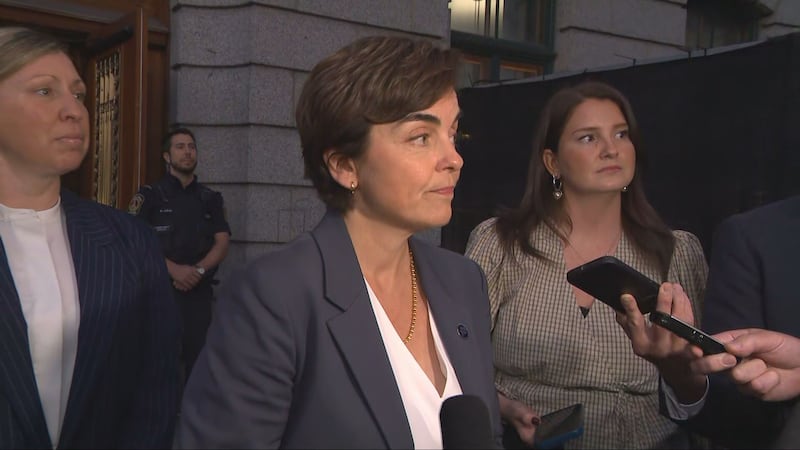
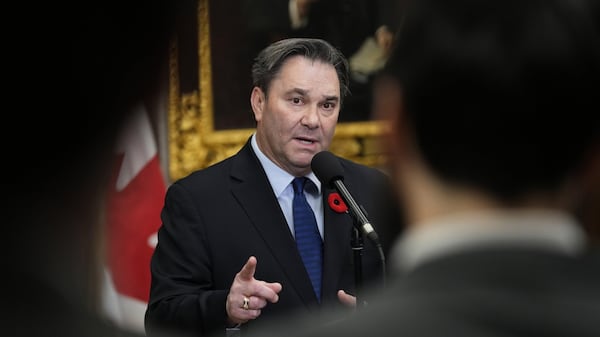
Quebec Premier Christine Fréchette says she supports eliminating interprovincial barriers to alcohol sales, but changes can’t take effect until the Quebec National Assembly resumes and amends Quebec law. At a series of meetings beginning Tuesday with Canada’s premiers on Prince Edward Island, nine premiers said they are removing interprovincial barriers on alcohol sales, allowing brewers, wineries and distillers to sell directly to consumers outside their home province. Fréchette says she supports the Multilateral Operationalization Agreement, but needs formal adherence from the National Assembly before it can take effect. “Quebec subscribes to the objectives of this agreement. Its formal adherence requires amendments to Quebec laws in order to allow it to come into force. These changes can be made as soon as parliamentary work resumes in Quebec,“ Fréchette wrote on social media platform X. “We are counting on the collaboration of all Quebec political actors in order to enable the implementation of the agreement.” This move follows U.S. President Donald Trump’s announcement Monday that he will impose a new 50 per cent tariff on some Canadian goods, including alcohol, hockey sticks and cement. Fréchette denounced the tariffs on social media platform X. Prime Minister Mark Carney says the new tariffs violate the Canada-United States-Mexico Agreement (CUSMA). The Trump administration said the tariffs are a response to “Canada’s discriminatory treatment of U.S. commerce,” citing Quebec’s restriction on sales of U.S. alcohol in Quebec liquor stores (SAQ). The restriction on sales of U.S. alcohol in Quebec was introduced in response to American tariffs first announced at the beginning of 2025. The new agreement follows the Memorandum of Understanding signed last year by Fréchette, which commits to establishing a pan-Canadian system for the direct sale of alcoholic beverages to consumers by May 2026.