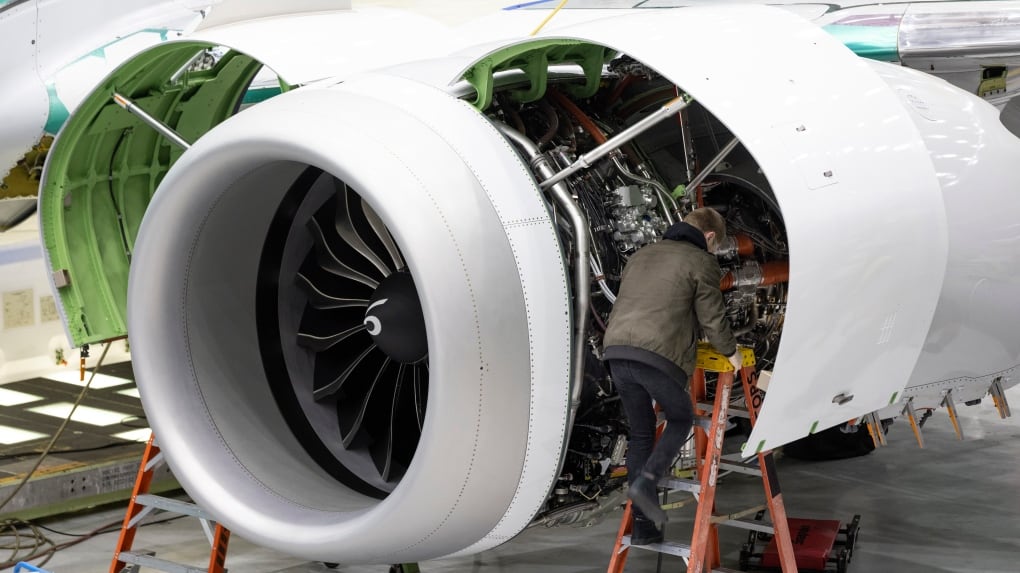
WASHINGTON — Boeing paid a US$3.1 million fine to the U.S. Federal Aviation Administration this year, after the agency said the planemaker had committed a series of safety violations, including actions tied to the 2024 Alaska Airlines MAX 9 mid-air emergency, the FAA told Reuters Wednesday. The FAA said the full amount sought in September 2025 was paid by Boeing in January and had not been previously disclosed publicly. Boeing also confirmed to Reuters it paid the fine. The FAA also said last year it was fining Boeing for interfering with safety officials’ independence and said the planemaker presented for agency approval two aircraft that were not airworthy. In 2024, the FAA said it found hundreds of quality system violations at the planemaker’s 737 factory in Renton, Washington, and the 737 fuselage factory of then Boeing subcontractor Spirit AeroSystems in Wichita, Kansas, from September 2023 through February 2024. The FAA found that a Boeing employee pressured a co-worker who was performing tasks on behalf of the FAA to sign off on a 737 MAX so the company could meet its delivery schedule, even though the co-worker had determined that the aircraft did not comply with regulatory standards. Democratic U.S. Senator Richard Blumenthal previously called the FAA fine inadequate, adding, “For Boeing, such fines are easily absorbed as the cost of doing business, not a meaningful deterrent to dangerous behavior.” Blumenthal previously investigated Boeing safety issues and chaired a committee when it probed the Alaska mid-air cabin blowout incident. The panel released a report showing Boeing whistleblowers raised significant concerns about the company’s manufacturing processes. The Alaska Airlines incident, which involved a 737 MAX found missing four key bolts, badly damaged Boeing’s reputation and led to a brief grounding of the MAX 9 and an FAA monthly production cap of 38 planes that was lifted in October 2025. The FAA in July said it would allow Boeing to issue airworthiness certificates for all 737 MAX and 787 airplanes after “months of thorough data and safety review demonstrating consistent production quality.” --- Reporting by David Shepardson; Editing by Mark Porter and David Gregorio