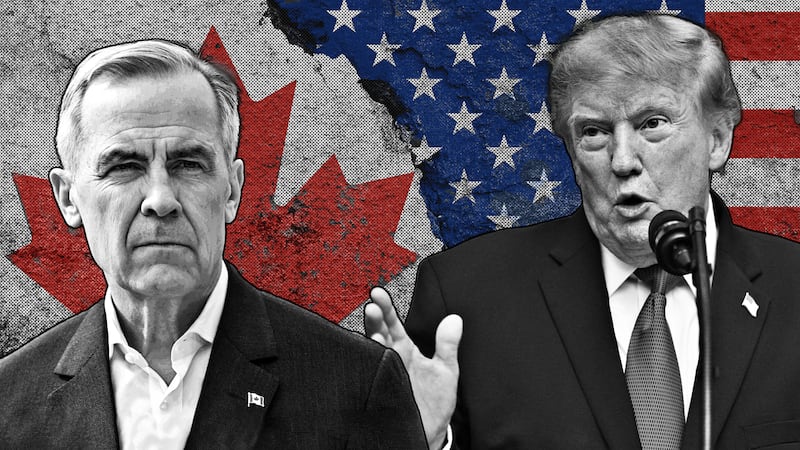
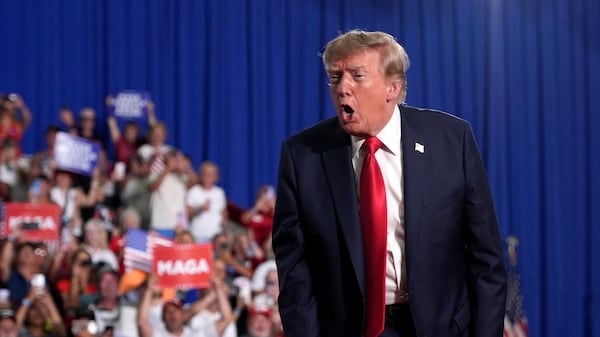
Communities on either side of the Canada-U.S. border braced for further economic fallout on Monday after trade talks collapsed and both countries moved deeper into a tariff fight. Mayor Mike Bradley of Sarnia, a major Ontario border city and petrochemical hub, said the trade dispute would be a “job killer” for his community. The city is a major exporter of plastics, one of the product groups targeted by the latest U.S. tariffs. He backed the federal government’s response, but he warned the supportive mood in his community could be tested once the full brunt of the tariff fight was felt. “Everyone can be supportive at this stage of the game. When the pain really starts to unfold with job losses and industries being devastated, I think it’s going to be much harder to hold the Canadian public together,” he said, while appealing to other leaders to stand united. Prime Minister Mark Carney has vowed a dollar-for-dollar response to the 50 per cent U.S. tariffs imposed on roughly $28 billion in Canadian goods following failed trade talks. Tensions escalated again Monday when President Donald Trump threatened 50 per cent tariffs on Canadian automobiles, car parts and steel beginning Jan. 1. Several Democratic governors of U.S. border states spoke against Washington’s response over the weekend. Michigan Gov. Gretchen Whitmer said residents in her border state were “uniquely impacted” by the trade dispute, arguing tariffs drive up costs for families and businesses and threaten its auto manufacturers. New York Gov. Kathy Hochul said the president was “needlessly picking fights” with U.S. allies. This report by The Canadian Press was first published Aug. 24, 2026.