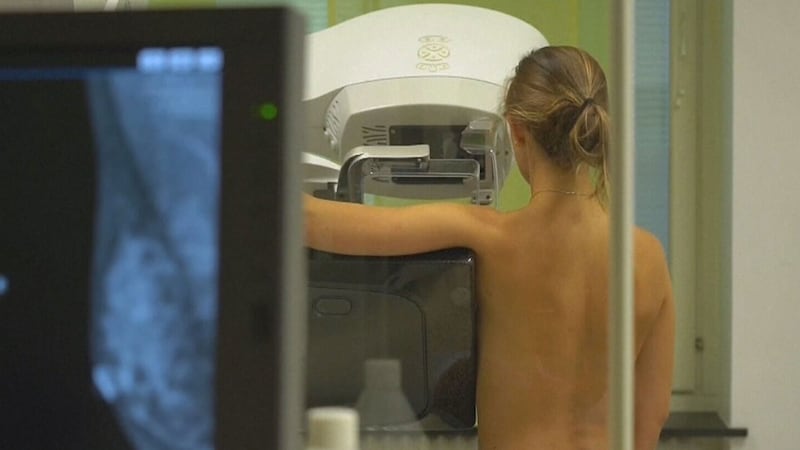
Finding a breast lump can turn everyday life upside down. For some patients, the uncertainty that follows can last a lifetime. Tammy Gunn, Crystal Lavigne and Kelsey Miller have each experienced breast cancer differently, but their journeys point to a shared concern: patients need timely access to care, clear information and support that extends beyond treatment. Miller says months passed between discovering a lump and receiving care. Lavigne describes weeks of waiting for diagnostic imaging and further delays before surgery. Gunn faced the challenge of continuing cancer care after moving to B.C. from Ontario. During Breast Cancer Awareness Month, their experiences highlight the importance of early detection, timely treatment and recognizing the lasting effects of a cancer diagnosis. Kelsey Miller: Five months waiting for surgery Miller was 36 when she discovered a lump. With three young children, the diagnosis immediately raised questions about the future she had imagined with them. “How could it be me?” she recalled thinking. “I was only 36 years old, and I have three young kids that I want to watch grow up, and you don’t know if that’s going to happen.” Miller says almost five months passed between finding the lump and having the tumour removed. During that time, she says, it grew by nearly 2.5 centimetres. “Mentally, just the waiting game throughout that whole five months was awful,” she said. “You don’t know the outcome; you don’t know if it’s growing. You don’t know how bad it is.” Miller, who works in administration for the Saanich Police Department, says the doctors and nurses provided excellent care once she was in the system. Her concern is the time it took to get there. “I just think that that’s unacceptable for a 36-year-old sitting there with cancer in her breast,” she said. Miller has completed chemotherapy and radiation and is now out of active treatment. She expects to continue hormone therapy for another 10 years, a treatment that has brought on menopause at 36. The transition out of active treatment has brought its own challenges. “People think that everything goes back to normal, and that is so far from the truth,” she said. “You’re healing physically, mentally, emotionally.” Miller wants women to feel empowered to question symptoms that are dismissed or attributed to other causes. “Don’t put it off and advocate for your health,” she said. “It’s OK to fight for your health and be pushy.” Crystal Lavigne: Waiting for answers For Lavigne, uncertainty at the beginning of her breast cancer journey was among the hardest parts. She estimates it took six to eight weeks to get diagnostic imaging after finding a lump, followed by further waiting for surgery. “I was a 40-year-old who lived a pretty healthy lifestyle who didn’t have any other risk factors,” she said. “I just never thought it would happen to me.” Lavigne has undergone two surgeries and six months of chemotherapy. At the time of her interview, she was halfway through radiation treatment. As a dental hygienist, she has been unable to work during intensive treatment. Her husband has taken on more responsibility at home and in caring for their two young daughters, while her week has been shaped by frequent medical appointments. The experience has also changed her perspective on the future. “When you’re going into your 40s, you think you’ve still got lots of life to live, but it makes you reflect that, like, you might not have as much time as you once thought,” she said. Lavigne says patients need clearer information about the resources available to them. It took several months before she heard from a breast health nurse, she said. After experiencing a severe allergic reaction during chemotherapy, she developed post-traumatic stress symptoms associated with returning for treatment. Counselling through B.C. Cancer helped her develop strategies for managing subsequent appointments. She believes support services should be easier to access from the beginning, when patients may be struggling to understand what lies ahead. Lavigne is also concerned about delays affecting younger women. She says she and other women she knows have experienced cancer progressing from an earlier to a later stage amid delays in treatment. “I know the system is overwhelmed,” she said. “But something as serious as cancer, especially when we promote early detection being so important, it’s hard to spit those words out when we cannot get the treatment that we need in a timely manner.” Tammy Gunn: Life beyond active treatment Gunn was 41 when she discovered a lump in 2021, during the COVID-19 pandemic. Living in Toronto at the time, she was quickly referred for testing and treatment. She underwent eight rounds of chemotherapy, a mastectomy, reconstruction, radiation and immunotherapy. She continues to take Tamoxifen as part of a 10-year treatment plan. She received the diagnosis shortly before she was due to teach an online Zumba class. “I just remember running upstairs to see my husband and I had about 10 minutes before class started, and I told him, and I broke down,” she said. Her husband reassured her they would get through it together. Gunn then returned to her class. “As soon as the music came on, I was like, that’s what I needed,” she said. “I needed to just let it go. I’m still alive. I’m here, I’m dancing, I’m going to face this and I’m going to make it through.” After moving to B.C. to be closer to her stepdaughters, Gunn faced another challenge: finding a family doctor who could refer her into the provincial cancer system for ongoing care. “I don’t have years. I don’t have that,” she recalled thinking as she tried to find a doctor. Gunn eventually found a physician and connected with B.C. Cancer in Surrey, where she says her experience has been positive. However, moving between provinces added another layer of uncertainty while she was managing a serious illness. She also encountered problems co-ordinating care. On one occasion, a scheduled home-care visit for a medication injection did not happen, leaving her to contact her oncology team to arrange an alternative. Gunn says such breakdowns can create unnecessary stress when patients are already managing demanding treatment schedules. She continues to experience changes in her energy, body image and relationships. “After breast cancer, there really is no normal,” she said. “It’s something that you live with every day.” Gunn wrote a memoir, “Dancing Through Diagnosis: Navigating Breast Cancer, the Good, Bad, and Surprisingly Funny,” to help others understand the experience and feel less alone. She wants friends and family to understand that patients need support well beyond the initial diagnosis. “Don’t leave me because I have cancer,” she said. “Stick with me, ride this out with me, ask me questions.” Support beyond medical treatment For Lavigne, counselling and connections with InspireHealth and other patients have helped her manage the emotional toll of cancer, particularly the anxiety associated with returning for chemotherapy after her severe reaction. Dr. Hannah Nette, a physician and director of clinical services at InspireHealth Supportive Cancer Care, says emotional distress is common among people navigating a cancer diagnosis, and support should be available throughout their journey. “One of the things that we’re here for is to normalize that, that, you know, everybody needs support and that we’re here whenever folks need us,” Nette said. InspireHealth provides free support to people living with any type or stage of cancer across B.C., from diagnosis through treatment and beyond. Its services include counselling, mental health support, exercise and nutrition programs, offered individually or in groups and online. Loved ones can also access many of its services. “All of our services and programs are free, so we’ve removed all geographic and financial barriers to access this support,” Nette said. She says support should not be limited to a particular stage of cancer or end when active treatment finishes. “Our support is provided right from the moment of diagnosis, and that’s any type of cancer, any stage of cancer, throughout a person’s journey with cancer and beyond,” Nette said. Lavigne has also found reassurance through connections with other women facing breast cancer. Miller connected with her through Instagram, and the two have built a friendship around their shared experiences. Miller says those relationships offer a kind of understanding that can be difficult to find elsewhere. “It’s not the same as the support you get from somebody who is living the same diagnosis as you,” she said. She encourages other patients to reach out to people who understand what they are experiencing. “It’s so important to have your village,” Miller said. Research, screening and equitable access to care Kimberly Carson, CEO of Breast Cancer Canada, says breast cancer is more complex than many people realize. “There’s over 50 different types of breast cancer,” Carson said. She says that complexity makes research into personalized treatment particularly important. Breast Cancer Canada is funding research into targeted therapies and potential blood tests that could help detect disease or identify whether cancer remains after treatment. Carson also wants people to understand that a lack of family history does not mean they cannot develop breast cancer. “The numbers are still one in eight. And just because no one in your family has had it, that does not preclude you from getting it,” she said. Beyond research, Carson is calling for more equitable access to screening, treatment and survivorship support, regardless of where patients live. “We need to have the availability for a national equity program for breast cancer,” she said. B.C. Cancer urges screening and equitable access Rableen Nagra, operations director for breast and lung screening at B.C. Cancer says screening mammograms are available to B.C. women aged 40 and older who have no breast symptoms. Nagra says the earlier an abnormality or cancer is detected, the better the prospects for treatment and patient outcomes. “Breast cancer is one of the most common cancers found in B.C.,” Nagra said. “I would encourage everybody who is eligible for the breast screening program to come and get screened so that they can be proactive in their health.” She says B.C. Cancer works to minimize delays after an abnormal screening result by connecting patients with nearby diagnostic services for further assessment. Access remains a challenge in rural and remote parts of Vancouver Island, including Indigenous communities. Nagra says B.C. Cancer is working with Island Health partners to improve access. “We are hoping that our mobile mammography van will come into play to be able to reach those communities, so that they can be screened and prevention can take place,” she said. Nagra also encourages women to speak with their primary care provider about their individual risk and to seek medical assessment if they notice symptoms such as nipple discharge, swelling, pain or other concerning breast changes. Screening is intended for people without symptoms; those experiencing changes should not wait for a routine mammogram. “It’s going to be worse if you wait,” Carson said. For Miller, Lavigne and Gunn, awareness means taking concerns seriously, helping patients navigate the health-care system and recognizing that the effects of cancer can continue long after active treatment ends. Their message is simple: anyone worried about a change in their breasts should seek medical advice and keep asking questions. For those already facing a diagnosis, they want them to know that support exists and they do not have to navigate the experience alone.