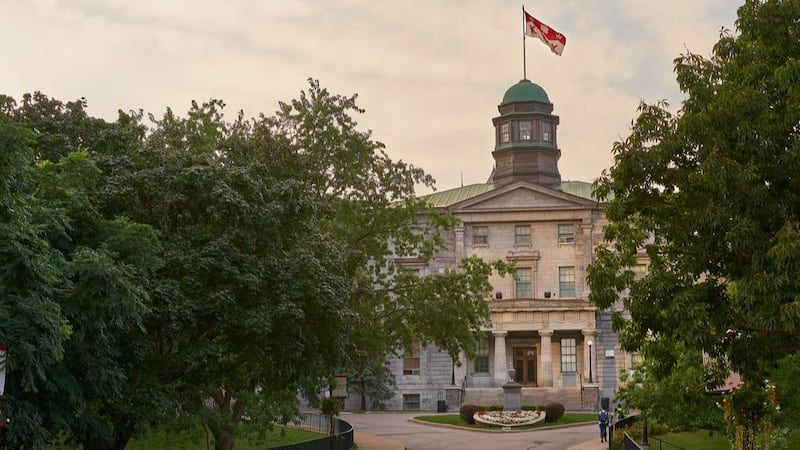
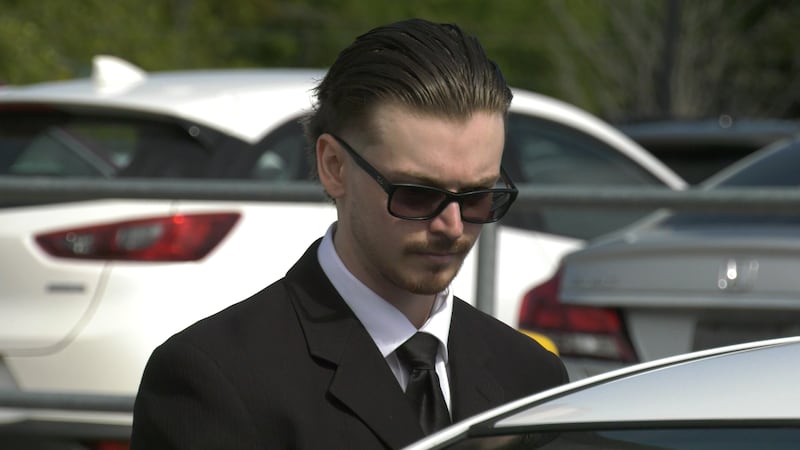
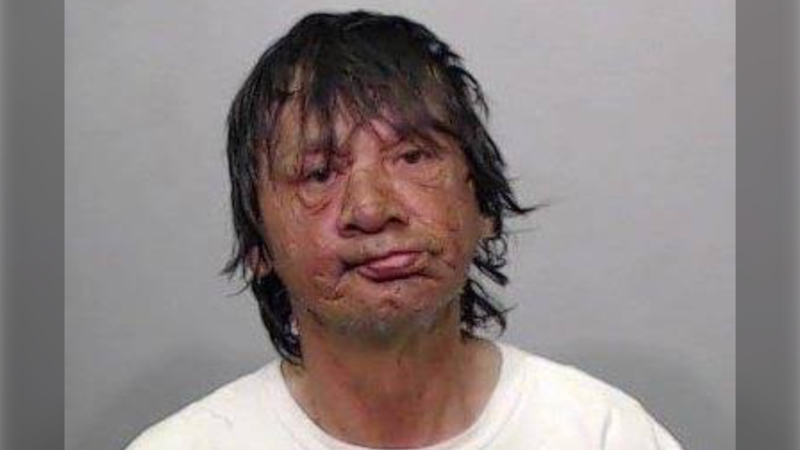
Dozens of McGill University students have signed an open letter demanding that a convicted murderer currently enrolled in the Faculty of Law be barred from the campus. More than 40 McGill students signed the letter, which was sent to McGill leadership, following the revelation that Jeffrey George Ewert, who is pursuing his studies while on parole, was attending campus and going to faculty events. Ewert’s presence on the McGill campus was confirmed by CTV News after it was first reported by CBC News last Friday. In their letter, dated Oct. 19, the students argue that McGill failed to inform the student body about the potential risk he poses on campus and that the university is bound by its Charter of Students’ Rights to take reasonable steps to ensure students’ safety. “Admitting a student with Ewert’s history without an assessment of his risk to the McGill community, a safety plan, a specialized reporting mechanism, or sufficient consultation with students falls short of that standard,” the students write. McGill Provost Angela Campbell told students in a memo last week that Ewert has not been permitted to be on campus since early October after he reportedly started his studies in late August. The signatories of the letter, who remain anonymous due to privacy concerns, call on the university to maintain the interim exclusion order and to either defer his enrolment or find a way for him to continue his studies remotely for the rest of the academic year. Allegations of inappropriate behaviour The letter was sent to Campbell, as well as Tina Piper, dean of the Faculty of Law, and Tony Mittermaier, dean of students and associate provost. Ewert was in his 20s when he committed separate attacks weeks apart on two women in British Columbia in 1984. According to a 2019 Superior Court decision related to his transfer to another correctional facility reviewed by CTV News, Ewert, who is now in his 60s, met his first victim, a young woman, at a bar and offered her a ride home. He then strangled her until she lost consciousness and then sexually assaulted her. She died from the attack. His second victim was a 15-year-old girl. He severely beat her and strangled her after she refused his advances. Believing she was dead from the attack, he threw her in a ditch, and she was found the next day. She suffered significant brain damage, is now blind, and quadriplegic. After spending 40 years behind bars, CBC News reported that his parole was extended in June 2026. The students’ letter details several allegations of inappropriate conduct on campus, including accounts of him approaching young female classmates who were under the influence of alcohol during frosh events and making female students feel unsafe. “Students reported that he was inappropriately physical with several female students, including some who were minors,” the letter alleges. It also claimed: “Ewert’s online and on-campus conduct points to a pattern of over-sexualization and degradation of women. The consumption of sexually explicit content featuring young women and girls, requests for their locations, sharing his personal contact details, and vulgar commentary suggest that, despite interventions, Ewert might continue to hold harmful attitudes towards women.” CTV News has not independently verified the allegations made by the students in the letter, which includes screenshots of social media posts that they claim are linked to Ewert. The letter claimed he used a pseudonym on those accounts. Allegations taken out of context, Ewert’s lawyer says Nora Demnati, Ewert’s lawyer, said in a written statement Friday that he immediately shared the contents of the letter with his parole supervisor and is working with his case management team regarding the situation at McGill. She also stressed the importance of the ongoing assessments of Correctional Service Canada and the Parole Board of Canada, which “both have determined that Mr. Ewert’s assessed risk can be safely managed in the community.” “On the contrary, when isolated pieces of information are assessed outside of that framework, without access to the full picture and without professional training, the inferences drawn risk being incomplete, inaccurate and prejudicial,” Demnati said, adding that while the concerns in the letter are understandable, “it is important to caution against drawing conclusions on partial information or on information taken out of its original context.” Demnati said Ewert is being monitored by means that are not known to the general public and that the contents of his phone are subject to regular monitoring at the parole supervisor’s discretion. He is also not allowed to delete anything from his device, including photos and messages, though he is allowed to use social media. “Mr. Ewert recognizes that his past has caused harm, and he understands that it can make people, particularly women, uncomfortable. That discomfort is legitimate and he does not minimize it. He also remains mindful of the harm caused to his victims,” his lawyer said. “What the open letter suggests, however, is that some of his alleged behaviours on campus, which did not raise concern when they occurred, are now being re-examined, after the fact, through the lens of his past convictions. Mr. Ewert is not in a position to respond to these allegations specifically, as they are presented without the context in which they allegedly took place. What he can say is that he is prepared to engage with any process that affords him the opportunity to do so.” The statement concluded by saying that Ewert had intended to disclose his criminal past to more students and faculty members directly but that “significant adjustments” from university life prevented him from doing so before he stopped attending campus on Oct. 6. “He hopes that McGill University will be open to engage in an honest and genuine conversation and to work with him to explore alternatives that can adequately address their concerns,” his lawyer said. Case sparks polarizing debate Nick Trehan, a first-year McGill law student who signed the letter, told CTV News in an interview that the case has sparked a polarizing discussion about rehabilitation and women’s safety. “I think it’s fair to have either perspective,” he said. “With that being said, if we take the position that this is someone we want in our community, for both his safety and the safety of our community, we have to do it in a way that feels intentional, that has consultation with the community, that has safety plans and protocols, and that has contingencies that are able to support people, specifically when we think about something like gendered violence, which is such a difficult issue that is happening on campuses right now.” When asked to respond to the allegations in the letter, McGill said Thursday in an email that it could not comment on specific cases due to provincial privacy laws. Speaking generally about its practices, McGill said criminal background checks are not typically part of the admission process for Canadian universities but that it would “act quickly and decisively should concerning information be brought forward about a student’s background or behaviour on campus.” It also said that it would liaise with relevant government authorities, such as Correctional Service Canada, and would remove a student to ensure “a safe environment for teaching, learning and research.” The email added: “The safety and security of our students is paramount. Full stop.” Students defend Ewert in letter of support Meanwhile, more than 130 students signed another open letter in support of Ewert earlier this month, denouncing how he has been treated by McGill and urging the university to allow him to return to his studies on campus. “A ban from the premises, with no conversation beforehand and no finding of misconduct, takes that chance away. For a man who has been denied education, community, and trust for most of his life, the cost of that interruption is far greater than a few weeks of missed lectures,” the letter reads. The letter said other students’ concerns about safety are warranted but should be handled through more appropriate means that do not include a ban on campus. “We also recognize that the Parole Board of Canada, which is better informed than we are about his circumstances, determined that he could return to the community ‘without undue risk.’ Parole is not granted lightly, nor does it mean unrestricted freedom. Jeff remains under active supervision and subject to strict conditions. Those safeguards are in place and are being followed,” the letter states. If you or someone you know is struggling with sexual assault or trauma, the following resources are available to support people in crisis: