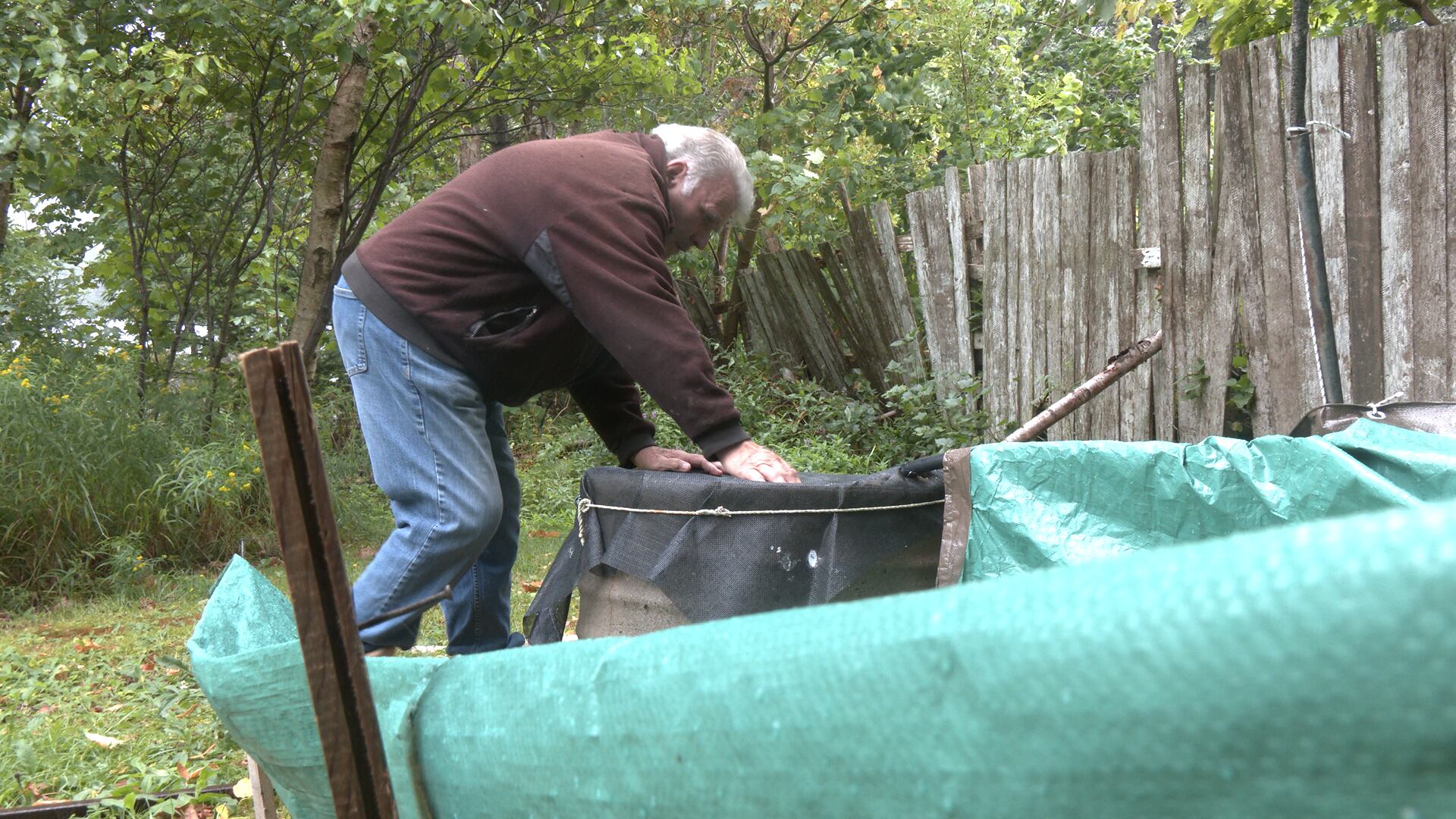
Retiree Robert Care has lived in the same yellow house in the Goulds neighbourhood of St. John’s, N.L. for decades. First as a child with his parents, and now in retirement with his wife. His neighbours have struggled with water levels in their wells pretty regularly — Care knows that well, he also briefly lived just next door — but he’s never had to worry about access. That is, until this year, one of the driest and hottest years on record in Newfoundland and Labrador. Homeowners and municipalities alike are struggling to conserve water and maintain their systems. According to Agriculture and Agri-Food Canada, parts of Newfoundland’s Avalon Peninsula have entered “severe drought” levels. Rainfall totals have been about half of seasonal averages, with temperatures soaring above average. “This is the first time I’ve ever seen it dry,” Care said. ”This is the first time I’ve run low on water here.” Residents flock to laundromats Water shortages have become more common across Newfoundland and Labrador. Avalon Laundry owner Rick Porter said he and his staff are hearing about it almost daily at their laundromats in the St. John’s area. “Usually, we get a couple per day that come in,” Porter explained, referring to people pushed to the laundromat because their wells are running dry. “Every year, we normally get our normal people that come in that are on wells and they don’t want to take a chance of running their well dry,” he said. “With the hot weather this year, we’ve seen an abundance.” ‘You’ve got to pay for water’ Care was managing, at first, by driving to the community centre regularly to fill up large buckets of water to use in the toilet. His daughter has since talked him into renting a large portable water tank to ensure his taps don’t run dry. “I’m not the richest man in the world, either,” Care added. “That there, 100 bucks. In this day and age, you’ve got to pay for water.” City councillor Carl Ridgeley, who represents the Goulds neighbourhood as part of his ward on city council, estimated there’s between 100 and 150 households in that part of town with wells running dry this summer. The problem is growing so big, and so persistent in summer months, that Ridgeley believes it’s time for cooperation between municipal, provincial and federal governments. He’s been calling for increased funding to connect more civic addresses to city water — comparing it to climate change adaption programs like those that were created for electric vehicles. “Having to take your kids out to get showers to friends and neighbours, that’s just not acceptable in the capital city,” he said. “One of the risks that are there now with climate change is that people are losing their water.” Care is doing everything he can to conserve water. When some rain began to fall Tuesday — just the third bit of rain in the city all month — he laid out a tarp to try to redirect some raindrops into his well. He needs a lot more rain to fill his well back up to normal levels. It’s been a frustrating summer for him. “Us seniors, you know, what do we do?”