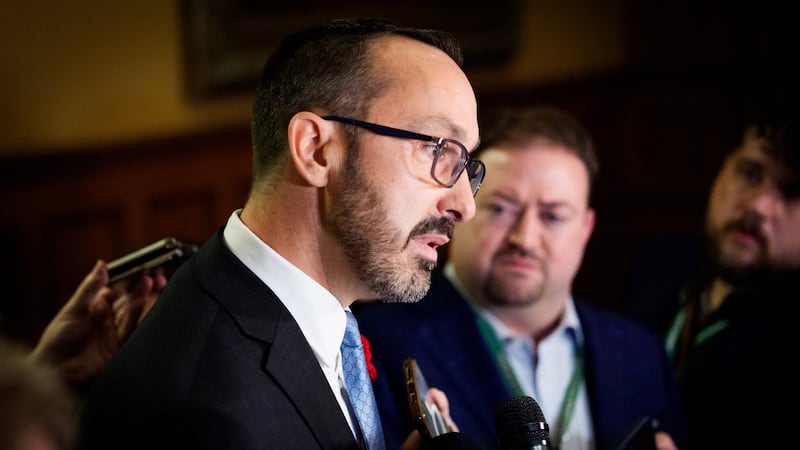
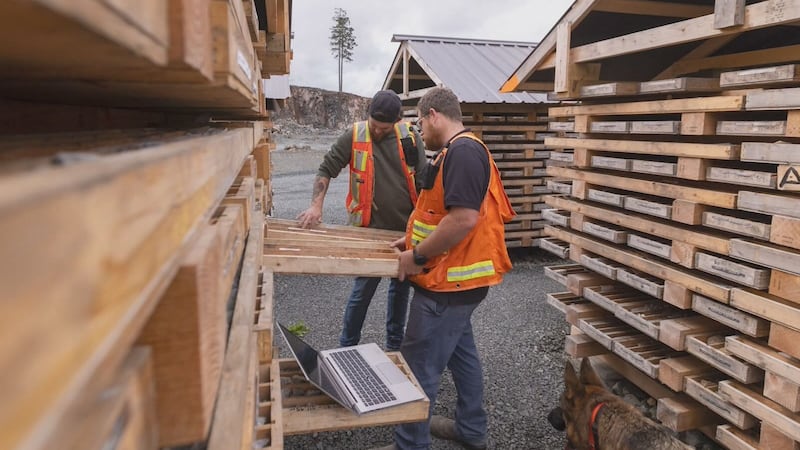
A proposed copper and gold mine near Port Hardy is entering a multi-year environmental assessment, a process that will examine the project’s potential impacts before a decision can be made about its future. Northisle Copper and Gold Inc. estimates the development could require up to 1,200 workers during construction and support as many as 800 positions during operations. Those figures are company projections, with the proposal still several years away from a potential construction decision. The project, located approximately 25 kilometres west of Port Hardy, has reached an early regulatory milestone after its initial project description was accepted by the B.C. Environmental Assessment Office and the federal Impact Assessment Agency of Canada. Nicholas Van Dyk of Northisle says the company is now beginning a lengthy process to determine whether the proposal can move forward. “Our project has just entered the first step in the B.C. environmental assessment process,” he said. He estimates it could take three to four years to reach a construction decision. The initial project description provides an early outline of the proposed development. “It lays out the generalized project footprints, where we would plan to put some major pieces of infrastructure and the process that we would go through over the next several years to get feedback,” he said. Van Dyk says the current stage is about gathering input on the overall concept, including proposed locations for power lines, a tailings facility and storage areas for leftover rock and mining waste. The company estimates the initial capital investment would exceed $1 billion and projects more than $100 million in annual economic activity in the region. Van Dyk says Northisle hopes to maximize employment opportunities for people living in Port Hardy, Port McNeill and the wider northern Vancouver Island region. “We’re just excited to try to employ as many people as we can from the local area,” he said. However, those economic projections depend on the project receiving the necessary approvals and ultimately proceeding to development. Public invited to weigh in on proposed mine The environmental assessment is now entering an early engagement period, giving residents and interested parties an opportunity to review the proposal and identify issues they want regulators to examine. “We really look forward to getting people’s feedback.” Van Dyk said. The Impact Assessment Agency of Canada and B.C.’s Environmental Assessment Office opened a public comment period on Nov. 10. Feedback is being accepted until Dec. 10 at 11:59 p.m. PCT. People are being asked to review the initial project description and provide input on the proposed development. They can also comment on a request by the provincial government to have B.C. conduct the assessment on behalf of the federal government through a process known as substitution. Comments submitted to either agency will be considered in the co-ordinated review. They will help regulators identify key issues and determine what further information may be required. Two public information sessions have also been scheduled. An in-person session is planned for Nov. 26 from 6 p.m. to 8 p.m. at the Kwa’lilas Hotel in Port Hardy. A virtual session is scheduled for Dec. 1 from noon to 2 p.m. Federal funding is also available to help eligible participants take part in the assessment process. Applications must be sent in by Dec. 10. Comments only need to be sent once to either the federal or provincial process, and submissions will be made public. More information about the project, public sessions and how to submit feedback is available through the federal project registry and the B.C. Environmental Assessment Office. The current engagement period is not a final public hearing or a decision on whether the mine should proceed. It is an opportunity to identify questions and concerns before the assessment advances. First Nations engagement and environmental considerations The proposed mine is located within the territories of Quatsino First Nation, Kwakiutl First Nation and Tlatlasikwala First Nation. Gwa’sala-‘Nakwaxda’xw Nations are also identified in the federal project documentation as potentially affected by workforce-related impacts. Northisle says it has worked with Quatsino, Kwakiutl and Tlatlasikwala First Nations during preparation of the initial project description, incorporating their knowledge, interests and community values into its early planning. Van Dyk says maintaining those relationships will remain important as the project advances. “We’re really excited to be working with the North Island communities and working with our First Nations partners,” he said. Among the issues identified in the initial project documentation are potential effects on waterways, fish and salmon habitat, water quality, traditional food and medicine gathering, cultural heritage and the ability of First Nations to exercise their rights and title. What happens next? Northisle says environmental baseline studies, exploration and engineering work will continue alongside the regulatory process. The company’s pre-feasibility study is expected in the first quarter of 2027. It is intended to provide a more detailed examination of the project’s technical and economic considerations. The company also plans to begin a BC Hydro System Impact Study and release additional exploration results before the end of 2026. Van Dyk says the project is still evolving and the initial description should be viewed as a snapshot rather than a final development plan. The coming years will involve further studies, regulatory scrutiny and engagement with First Nations, government agencies, local communities and the public. For northern Vancouver Island residents, the current comment period provides an opportunity to examine the proposal and help identify the questions that need to be answered before the project moves further through the assessment process.