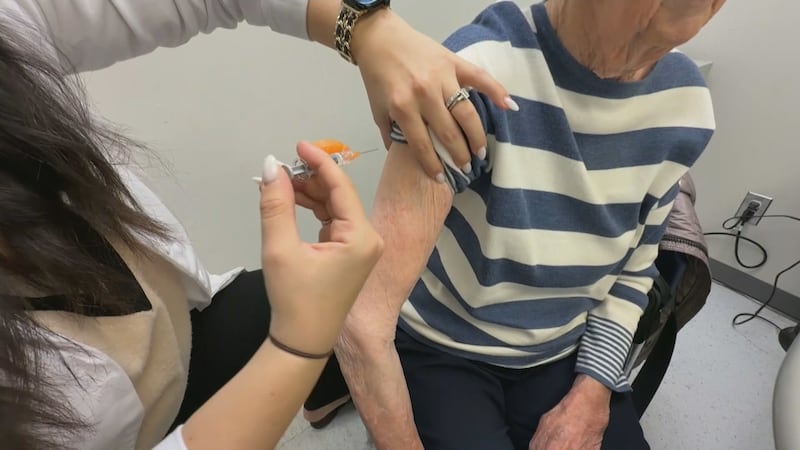
Monday is the first day the public at large is eligible for flu shots and COVID-19 vaccines in Ottawa. Here’s what you need to know about vaccinations this season. Why get vaccinated? According to Ottawa Public Health’s deputy medical officer of health, vaccination is the strongest line of defense against many common illnesses. “Vaccination is going to be your best measure of protection against these respiratory viruses, in particular influenza,” Dr. Laura Bourns told CTV News Ottawa. Who is eligible? All individuals over six months of age are now eligible for both the flu and COVID-19 vaccine. People can receive their vaccines at pharmacies or local health care providers. For more information on where you can get vaccinated, visit Ottawa Public Health’s flu vaccine page. Is flu season here already? While flu season is not in full swing yet, Dr. Laura Bourns says there are early indicators the season may be arriving sooner than usual. “Often at this time of year, we start to see a bit of flu activity. We are seeing more at this time now than we did last year,” Bourns said. “So, it does look like it’s a little bit earlier.” According to Bourns, the flu appears to be approximately four to six weeks ahead of schedule this year. “Things can change, but based on what we know right now, we might be looking at an earlier season,” Bourns said. How is vaccination trending in Ottawa? Although vaccination rates fluctuate, Bourns says overall vaccination levels in the city remain consistent from year to year. “We see anywhere from about 30 to 40 per cent of the population approximately get vaccinated. We don’t have exact numbers, but it’s based on distribution of vaccine in our community,” she said. Just like with the flu shot, Bourns says Ottawa Public Health is urging individuals to get the COVID-19 vaccine. While Bourns says the level of immunization against COVID-19 is not “where we’d like to be entirely,” she notes that vulnerable populations are taking steps to prevent the spread of the illness. “Certainly, the message is getting out to those groups who have the highest risk, including older adults and those with chronic medical conditions,” Bourns said. “[We’re] really looking for more and more people to get vaccinated because it’s not only going to help protect yourself, but those around you who might be at increased risk as well.” How else can you prevent the spread of respiratory illnesses? In addition to vaccination, Ottawa Public Health recommends taking other measures to prevent the spread of respiratory illnesses, including by washing your hands often, avoiding touching your face, covering your mouth and nose when coughing or sneezing, disinfecting high-touch surfaces and wearing a mask. The public health unit also advises people to stay home when sick and avoid visiting individuals who may be at higher risk of severe illness.