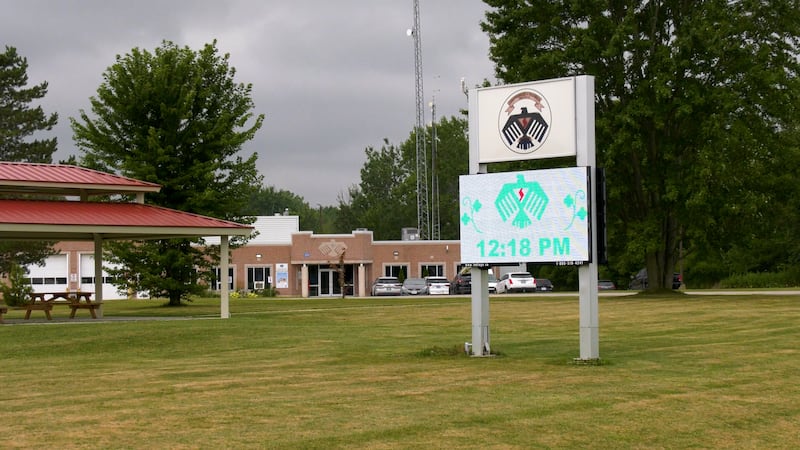
The District of Nipissing Social Services Administration Board (DNSSAB) will take over direct delivery of homeless outreach services across the district starting May 1, following the end of a contract with a former provider and an unsuccessful search for a replacement organization. ‘It literally forced our hand’ The former outreach service, True Self – Debwewendizwin, previously announced it is ending its contract with the social services board at the end of May to shift its focus more toward First Nations members who live on and off reserve. After the announcement, the board began looking for a successor. But after an unsuccessful search for another organization to take its place, the social services board has decided to take control. “It literally forced our hand,” said board chair Mark King. “It’s probably one of the most important services that we actually provide in the downtown core.” The board decided direct delivery is the most practical approach to ensure outreach support continues. Reduced hours due to labour agreements However, due to budgeting constraints, DNSSAB said services may not look exactly the same as before. Hours will be limited from 8 a.m. to 4:30 p.m. Monday to Friday, with no weekend outreach. “It has a lot to do with basically labour agreements that force overtime after those hours,” King told CTV News. Outreach services will be delivered to individuals experiencing homelessness through a revised model designed to improve coordination, strengthen health integration and continue collaboration with community partners. The board added that district-wide outreach services delivered through a coordinated model, with a service location in North Bay supporting district-wide operations, will include ongoing collaboration with community partners, including the Community Advisory Board and Coordinated Access Nipissing, to support individuals experiencing homelessness. Community paramedicine clinics to play key role Community paramedicine outreach will play a key role working alongside staff and community partners, supporting early intervention, and helping individuals connect more easily with follow-up services. These services are delivered through scheduled Community Paramedicine Outreach Clinics at the following locations: “A lot of my residents don’t have a family doctor, so that helps them if they’re sick or they want to,” Bernice Kataquapit, Suswin Village’s administrator, told CTV News Monday afternoon. The core focus is to build trust, assess needs and connect individuals with essential resources such as shelter, food, health care and social supports. “The main residents that we have in the house are like from North Bay and they have to be in the community for at least three months, usually coming off the streets or coming from out of the jail system or the recovery home or detox,” Kataquapit said. Count finds more than 450 homeless in district Officials explained that the outreach service mandate is to engage and support homeless people by meeting them where they are, both physically and in terms of their readiness for assistance. “It alleviates the pressure specifically on the downtown businesses because there’s somebody there to help,” King concluded. A recent count has estimated there are more than 450 people in the Nipissing District who don’t have a place to call home and are living on the street. That number is from the most recent count carried out by social service agencies, homelessness service providers, health care facilities and correctional facilities during a 24-hour period in early October 2025. Since 2025 was an administrative year, this count did not include surveys and could not capture hidden homelessness. The next full point-in-time survey count will take place in October 2027.