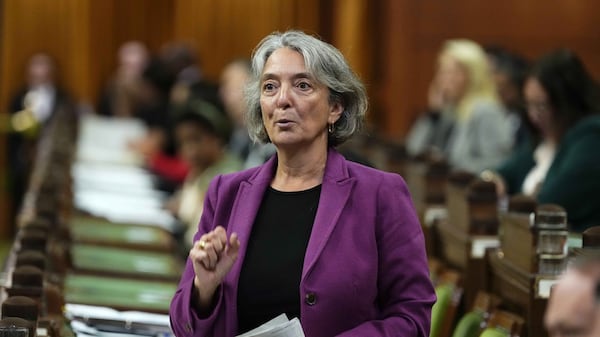
A much-anticipated report on new electoral maps was made public Monday afternoon amid mounting accusations and concerns regarding next October’s provincial election. The report was commissioned by the United Conservative Party (UCP) after it rejected electoral boundaries made by a bipartisan public boundaries commission, which would have eliminated two rural ridings. The UCP is the party of choice in rural communities and smaller cities while the Alberta NDP dominate in Edmonton and Calgary. The new report, the NDP allege, seeks to change that by diluting votes in ridings that tend to trend orange. That includes splitting Lethbridge from two to four divisions, which the report says would “share” the urban population with rural communities in order to “obtain more effective representation.” “They’ve created sort of a downtown Lethbridge, which is about 60 per cent of the population, and like downtowns everywhere, they typically will not vote conservative,” Nenshi said. “The whole rest of Lethbridge… they’ve thrown them in with rural areas hundreds of kilometres away, diluting the voice of people who live in Lethbridge.” Lethbridge-West NDP MLA Rob Miyashiro says residents already told the independent commission that city boundaries should remain intact. “Rural municipal leaders also raised concerns about combining urban and rural communities that face different priorities,” Miyashiro added. “The UCP is prepared to ignore all of that.” “When a government redraws the map to help itself instead of representing its citizens, it is not strengthening democracy. It is rigging the game,” he added. Premier Danielle Smith and Justice Mickey Amery responded to criticism during question period, each pointing out that it was an independent panel commissioner – appointed by the NDP – who recommended adding more ridings. Nenshi brushed off the comments, saying the majority report was explicit -- with Justice Dallas K. Miller writing that should the assembly choose to add more seats, that “the rest of the province as we (the majority) propose must be maintained to the extent possible.” “Justice Miller’s number one recommendation was: don’t touch anything south of Airdrie,” Nenshi said. “Last I checked, Lethbridge and Calgary are both south of Airdrie. So is Banff.” The NDP leader said he believes the report is unconstitutional and, should it pass, his party will be mounting a legal challenge. “We’ll see them in court,” Nenshi said. Alberta’s election administrator also has serious concerns with the incoming changes, saying either the new boundaries or the election should be postponed, but Amery shot down the possibility of any delay. “Alberta’s government has no intention of changing the legislated date of the next provincial general election,” the justice minister said in a letter to chief electoral officer Gordon McClure. “The final electoral boundaries enacted by the Legislative Assembly will constitute the law of Alberta and Elections Alberta is expected to prepare accordingly.” Amery said the new boundaries are expected to be approved by the end of the fall sitting, giving Elections Alberta 11 months to prepare. The last time the electoral boundaries were adjusted was in 2017. The new report will add four new seats to bring Alberta’s total up to 91. With files from CTV News Edmonton’s Hannah Kavanagh and The Canadian Press