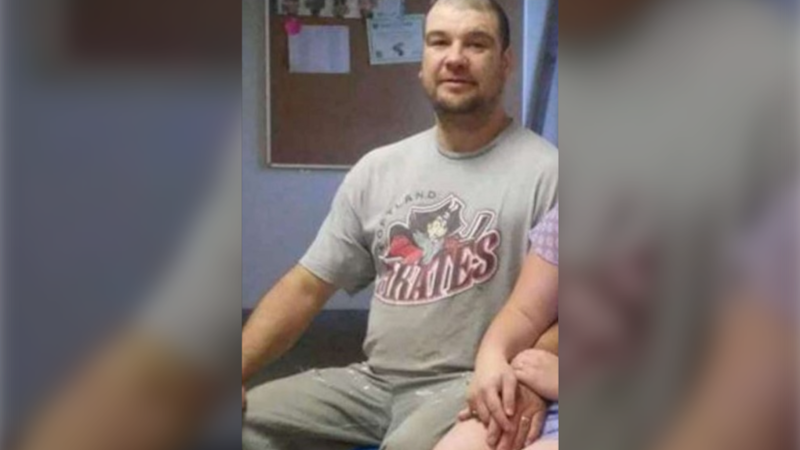
The Jack Ady Cancer Centre in Lethbridge is hosting a researcher-led clinical trial, marking the first time in Alberta’s history that a cancer centre outside of Calgary or Edmonton has done so. The clinical trial will evaluate whether radiation treatments can be safely reduced for prostate cancer patients in southern Alberta. “I was diagnosed with prostate cancer on April 27,” said Darrell Nason, who will be one of the first patients to take part in the trial. “I am determined to help lead the progress of the program to make life a little easier and less stressful for future patients.” The stereotactic body radiation therapy (SBRT) trial will use MRI scans to assess how a patient’s tumor responds after the first radiation dose. That response will then be used to customize the second treatment, incorporating each patient’s own biological response to radiation, rather than relying solely on a one‑size‑fits‑all approach. “SBRT allows us to take what typically would take up to 40 different treatments and it allows us to reduce it down to five,” said Dr. Charles Kirkby, senior medical physicist at the Jack Ady Cancer Centre. The trial will then look at if prostate cancer radiation treatment can be safely reduced from five sessions to two. “We’re hoping to demonstrate that you can do it, you can do it safely and that you can incorporate this personalized adaptive component to it where you look at how an individual patient responds and how their cancer responds, and then you can either increase or decrease the amount of radiation that you’re putting in,” Kirkby said. Following treatment, patients in the trial will be monitored for two years to assess the effectiveness of the treatment versus current standards. The outcomes will guide if the streamlined approach can move forward. “The long‑term goal is to deliver the right dose, to the right place, at the right time for each patient,” Kirkby said. “This project represents a shift toward more precise, image‑guided cancer care. If successful, it could redefine how prostate cancer radiotherapy is delivered, making treatment shorter, more individualized and potentially more effective without compromising safety.” The donor-supported clinical trial was made possible through a significant contribution from the Chinook Regional Hospital Foundation, in partnership with the Alberta Cancer Foundation. “In the near-term it will benefit cancer patients in Lethbridge and southern Alberta, but ultimately it might benefit patients across Alberta, which is hugely important,” said Ryan Kelly, vice-president of communications and community partnerships with the Alberta Cancer Foundation. This is the first cancer clinical trial to operate out of Lethbridge. “We were incredibly thrilled to be given the opportunity to bring that care closer to home,” said Crystal Elliott, CEO of the Chinook Regional Hospital Foundation. “To make cancer care stronger and to offer research right here in Lethbridge, that’s amazing.”