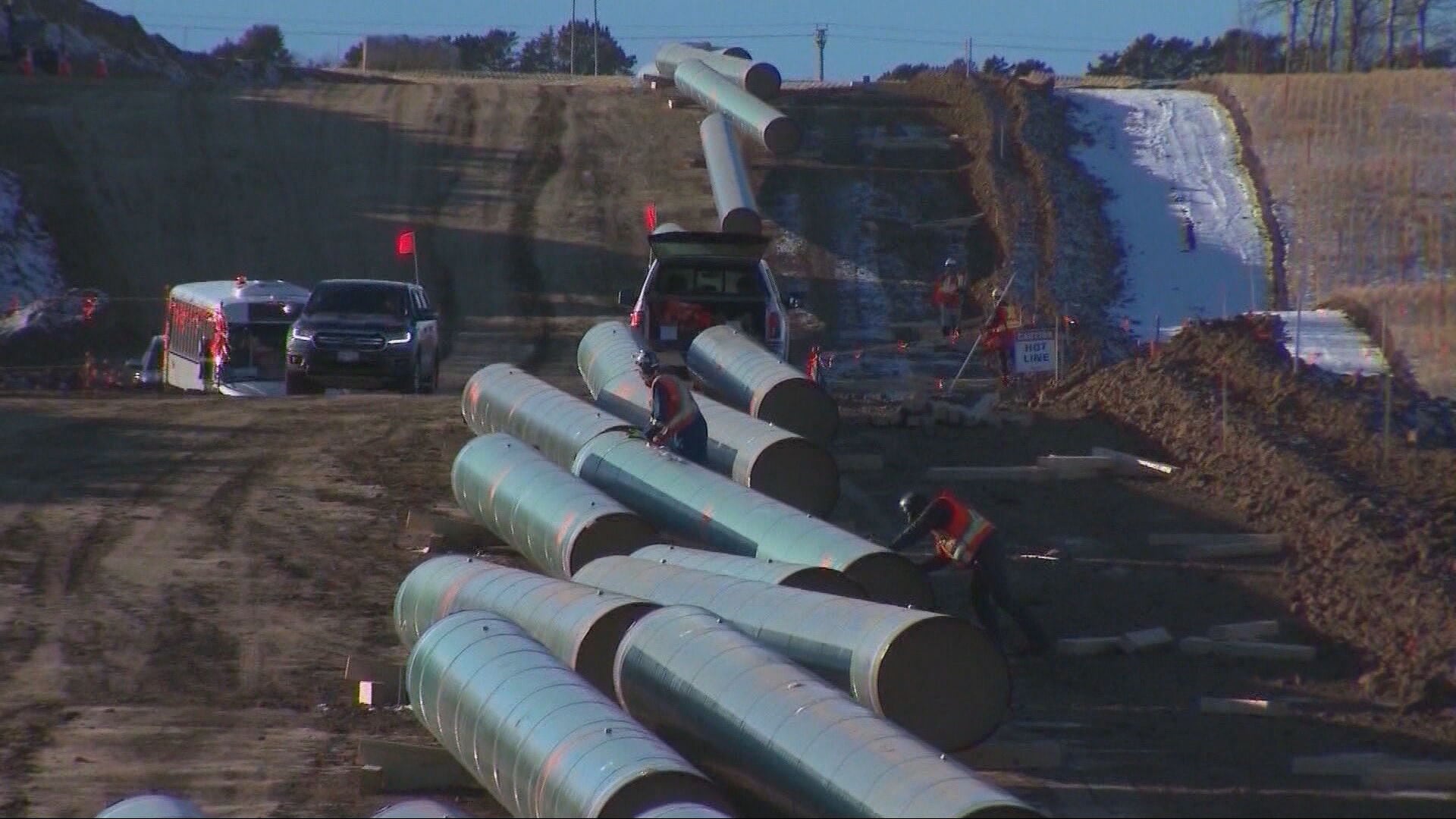
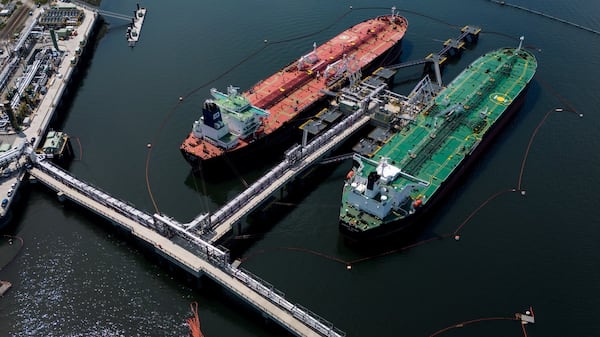
Alberta’s finance minister isn’t ruling out changes to the ownership structure of a proposed pipeline project, as critics question why taxpayers should be helping foot the bill for infrastructure expected to benefit the oil and gas industry. Jason Nixon says discussions are ongoing around the proposed Pacific Link pipeline, which is expected to involve significant financial commitments from both the Alberta and federal governments through its Crown corporation, the Trans Mountain Corporation. Pacific Link is a proposed crude oil pipeline that would stretch up to 1,250 kilometres from the Bruderheim area in central Alberta to a deepwater export terminal near Delta, B.C. The project is designed to transport approximately one million barrels of oil per day to the West Coast, where it would be loaded onto tankers and shipped to international markets, including Asia. It has an estimated cost between $35.2 and $43.7 billion. The proposed route would largely follow existing pipeline infrastructure, including the Trans Mountain corridor, although the final route has not yet been determined. Nixon declined to get into the specifics when asked whether the province would consider changing the ownership arrangements to require energy companies to contribute more toward construction. He instead argued the province’s investment is intended to create opportunities for further development and generate additional revenue for Alberta. “We are not creating conditions where we would see a depletion in the resource revenue that we’re already seeing from previous investments,” Nixon said. “We will continue to create opportunities to get new investments, which will result in new royalty revenue coming into the provincial coffers that we would not have otherwise received if we had not made that investment partnership.” Nixon said the province would have more to say as discussions progress, adding, “stay tuned.” Who should pay for Pacific Link? The proposed pipeline has raised questions about how much financial responsibility should fall on governments compared to private industry. Under the proposed ownership structure, the federal government and Alberta would each hold a 40 per cent stake, while Pembina Pipeline would hold 10 per cent during construction, with an option to increase its interest once the pipeline is operational. A further 10 per cent is being made available for Indigenous ownership. The Alberta Wilderness Association says taxpayers shouldn’t be expected to subsidize a project that primarily serves the interests of oil and gas producers. “There’s probably a really big proportion of the community who doesn’t want the pipeline at all,” said Kennedy Halvorson, a conservation specialist with the organization. “But yet their tax dollars will be used to pay for it.” Halvorson also questioned why companies wouldn’t be willing to contribute more if the project is as financially attractive as proponents suggest. “If the pipeline is as lucrative as everyone claims, why would it not be in their interest to invest in it?” she said. She also pointed to concerns about outstanding industry obligations, including municipal taxes and payments to landowners. Halvorson noted oil companies should also be responsible for environmental damage caused by their operations. “If you are transporting your product and your product leaks and it causes environmental harm, like you should be on the hook for that.” Protesters oppose Bill C-39 The pipeline funding debate will also be also front and centre Friday as demonstrators gather outside Calgary MP Cory Hogan’s constituency office, calling for an end to public funding for new fossil fuel infrastructure and opposing the federal government’s Bill C-39. The demonstration was organized by the Eco Elders group, alongside the Calgary and District Labour Council and Canadian Union of Public Employees. Organizers say they want governments to prioritize public spending on renewable energy and climate action rather than using taxpayer money to support new pipelines. “This is no time to be building new pipelines in Canada,” organizers said in a statement ahead of the protest. Rob Miller, a volunteer with Eco Elders for Climate Action, said the group is also concerned about using public funds to support an industry that is already highly profitable. “We’re against using public funds to fund mega-projects for oil and gas companies that are making billions in profit, record profits,” Miller said. “Why are the Canadian public being asked to fund their infrastructure?” The groups are also concerned about the proposed legislation, formally known as the Building Canada Strong Act, which was introduced by the federal government in September. The 246-page omnibus bill is designed to accelerate approvals for major infrastructure and resource projects, with a stated goal of reaching decisions within one year. Supporters say the changes would reduce regulatory delays, provide greater certainty for investors and help get major projects built more quickly. But environmental organizations and labour groups argue the legislation could reduce public oversight and weaken protections for workers, Indigenous communities and the environment. Miller said the bill could allow projects to move ahead without the usual environmental assessments or meaningful Indigenous consultation. “They’re basically cutting back on environmental protections and the need for assessment,” he said. He also raised concerns about the potential for ministers to override provincial regulators if they deem a project is in the national interest, saying those regulators are in place to protect the public. Halvorson said one of her biggest concerns is the proposed ability for the federal government to designate regions of national interest, where certain projects could receive approval without going through the same regulatory assessments normally required. “By just blanket approving or pre-approving projects here, it just means that the local environmental concerns don’t have an opportunity to be raised,” she said. She also raised concerns about provisions that could allow some work to begin before impact assessments are complete. “You can do a lot of damage before we even know if it’s sustainable.” Halvorson also said environmental reviews and public consultation take time, particularly when projects could affect wildlife habitat, waterways and nearby communities. Indigenous leaders call for bill’s withdrawal Indigenous rights have also emerged as a major point of contention surrounding Bill C-39. In a joint statement issued Oct. 26, chiefs from Treaty 6, 7 and 8 and the Blackfoot Confederacy called for the immediate withdrawal of the legislation. The chiefs said First Nations must be recognized as “rights holders and Treaty partners, not stakeholders,” arguing their inherent and Treaty rights cannot be diminished by government policy. They said they support responsible economic development and major projects that include proper environmental oversight and meaningful benefits for affected communities. However, they raised concerns about accelerating major projects without meaningful consultation, environmental protections and the free, prior and informed consent of affected First Nations. The chiefs also called for a permanent Treaty discussion table involving the federal government, Alberta and Treaty leadership, including discussions around resource revenue sharing and the protection of lands and waters. Bill C-39 passed second reading in the House of Commons in October and was reported back to the House with amendments on Nov. 23. Hogan, the Liberal MP for Calgary Confederation and parliamentary secretary to the federal energy and natural resources minister, has spoken in support of the legislation and voted in favour of it at second reading. CTV News has reached out to Hogan’s office for comment and is awaiting a response. The protest outside his office Friday marks another demonstration against the bill in Calgary, following an earlier rally on Nov. 12.