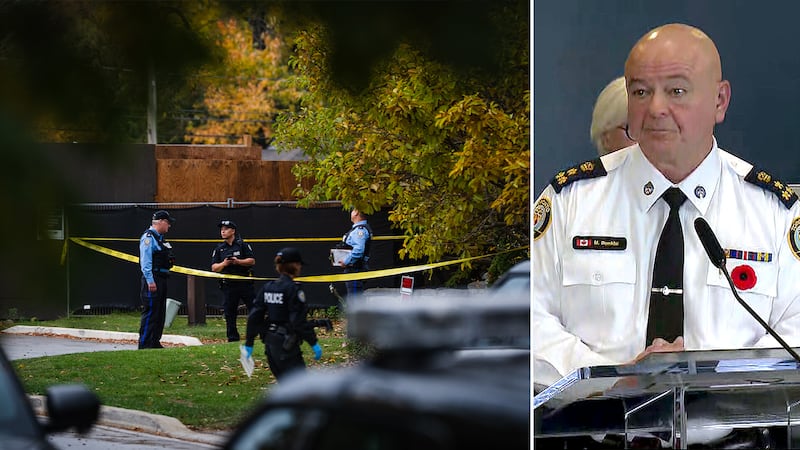
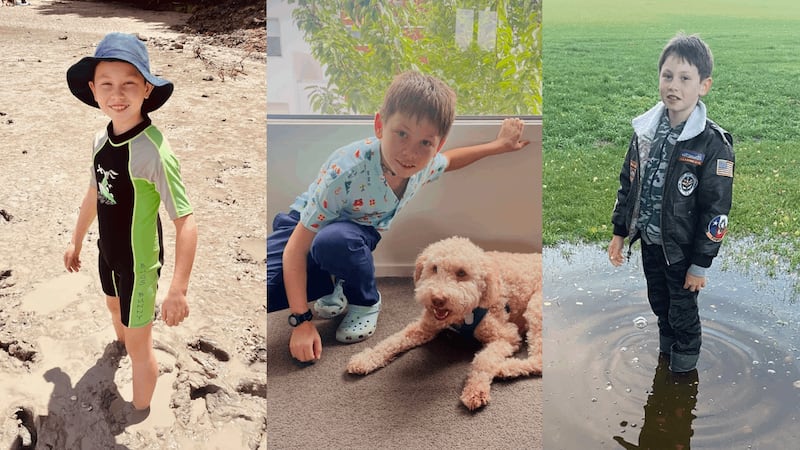
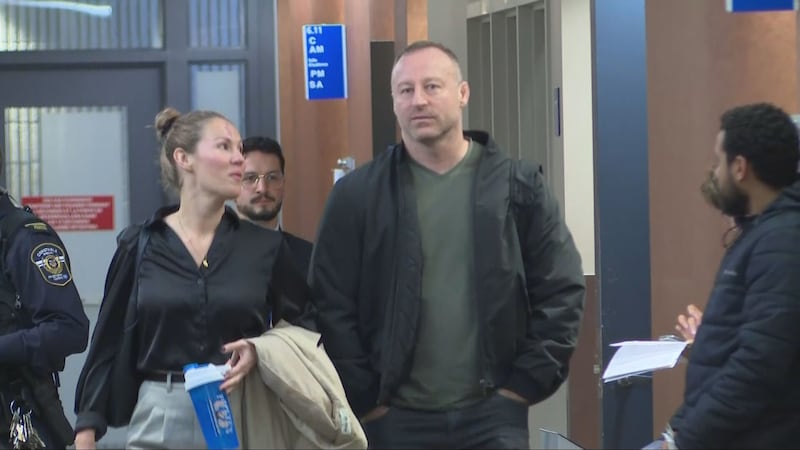
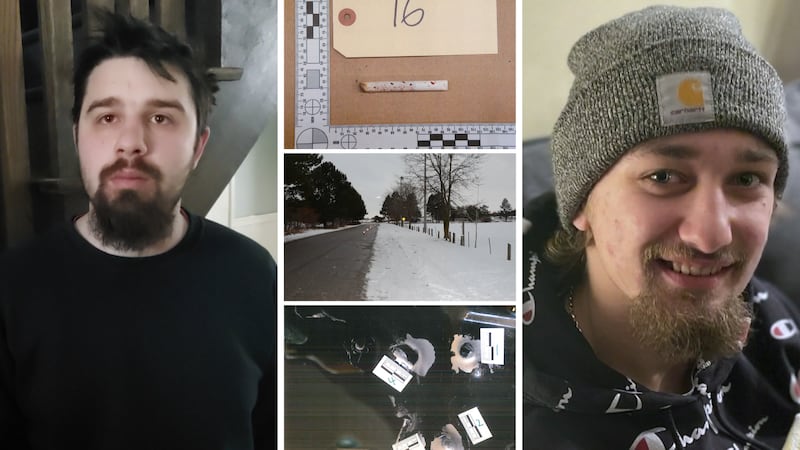
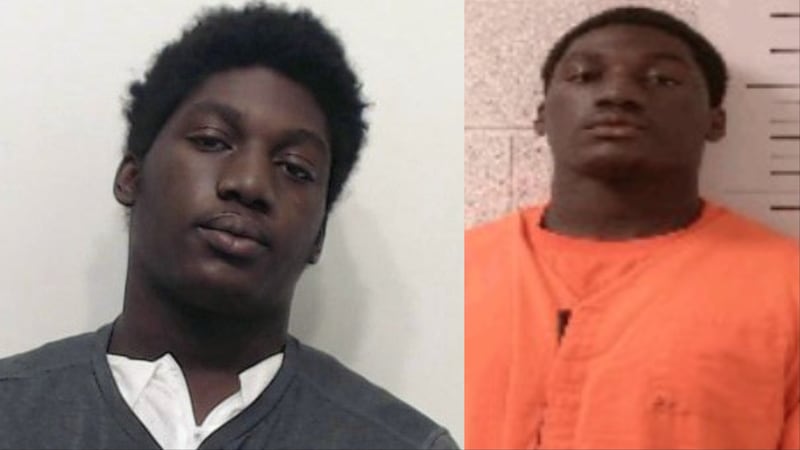
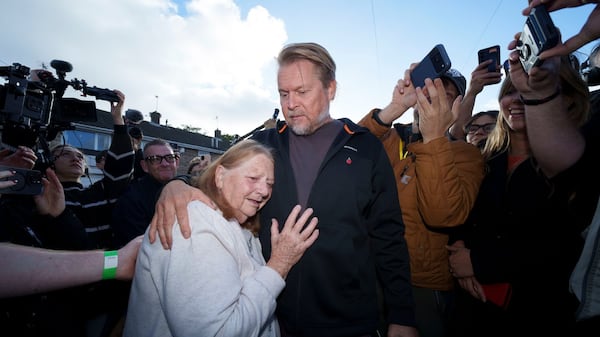
Warning: This article contains details that may be disturbing and triggering for readers. Gabriel DiCecco will be spending the next eight years in prison for killing and dumping the body of his best friend William Schernhammer nearly three years ago in the Alliston area. DiCecco, 27, was convicted of manslaughter and interfering with a dead body by a Barrie jury in May following four weeks of trial but acquitted of first-degree murder. “No sentence will ever measure up to the value of my son William’s life,” said Rachelle Schernhammer outside the Barrie courthouse Monday following the sentencing. “While we are deeply grateful to the police and the investigators whose work proved the truth, a few years in prison will never answer for murder.” DiCecco was sentenced to a total of 12 years less time served in pre-sentence custody for killing her 24-year-old son and discarding his body on the side of the road. “The evidence dismantled every lie told to tear my son down,” said Schernhammer. “My son‘s memory stands, clean and unblemished.” The defence, led by experienced Toronto lawyer Sam Goldstein, argued DiCecco feared he was going to be sexually assaulted by Schernhammer the night DiCecco shot him at close range on the side of the road. Goldstein urged the jury to acquit his client of murder and find him guilty of manslaughter on account of provocation. The defence argued DiCecco believed he was going to be sexually assaulted by his best and only friend and panicked and shot him. “That, I think, is what the jury found and obviously Her Honour may have disagreed with that finding,” said Goldstein. Justice Vanessa Christie found that while no such threat of sexual assault existed, DiCecco perceived one when he fired four shots at Schernhammer, then removed his body from his car and left him in the snow along the 25th sideroad. Evidence showed Schernhammer was shot while wearing a seatbelt, facing forward in the front passenger seat of DiCecco’s car. The defence argued DiCecco was provoked when he believed Schernhammer was going to sexually violate him. He claimed Schernhammer sexually assaulted him years ago; however, provincial police said the allegations made by DiCecco were unfounded. For nine days Schernhammer’s family searched for his body, which was discovered in the snow after DiCecco led police to the location. Initially DiCecco told police he had no idea where Schernhammer had gone. Later DiCecco changed his story when he told investigators a mysterious masked man emerged from a field and shot Schernhammer. Justice Christie rejected submissions from the defence that DiCecco was the victim in the case, finding “it was difficult to believe anything DiCecco said about how things occurred that night.” “He regrets what happened and continues to be sorry to the Schernhammer family,” said Goldstein. The Crown sought a prison sentence of 15 years. The defence argued for five years’ less time served. Justice Christie highlighted a pre-sentence report that included DiCecco’s pre-trial diagnosis of schizophrenia, which had not been mentioned by the defence in the trial. The judge called the impact on Schernhammer’s loved ones “extremely significant,” as many family members, including Schernhammer’s grandmother, had expressed debilitating grief and trauma following his shocking death. “You’ll never be forgotten; you are loved and cherished,” Schernhammer told CTV News. “We miss you every minute of every day.” With the court’s permission DiCecco hugged and kissed loved ones before being led away in handcuffs.