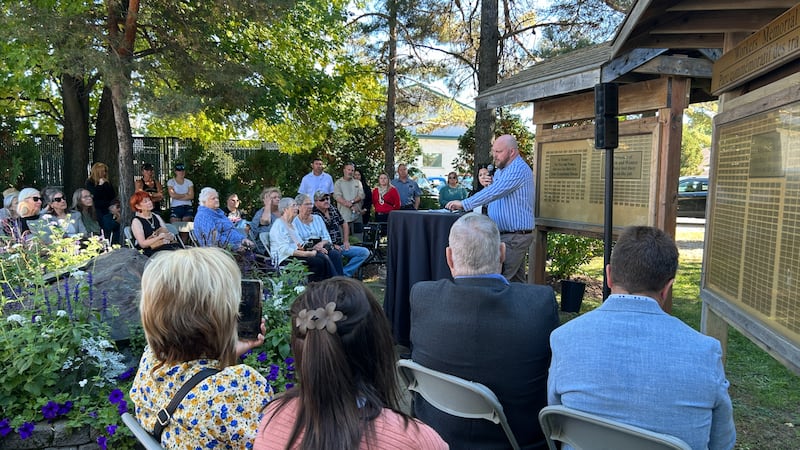
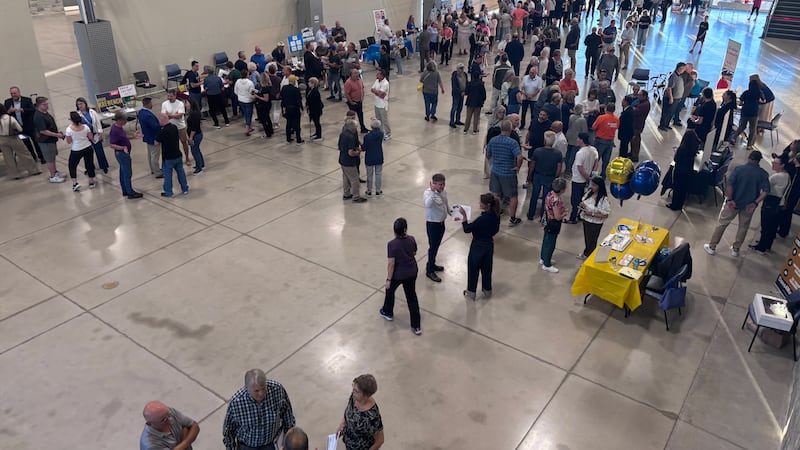
Three hundred years of friendship was celebrated Thursday at Fort Anne National Historic Site in Annapolis Royal, N.S. On June 4, 1726, the Peace and Friendship Treaty was signed by Mi’kmaq, Wəlastəkokewiyik, and Peskətəmohkatewey leaders and the British Crown. The Peace and Friendship Treaty of 1726 was the foundation for Crown-Indigenous relations in what is Eastern Canada today, according to a news release from the federal government. “The Treaties of 1725 and 1726 shaped the future of the Mi’kmaw Nation’s alliance with the United Kingdom; now is the time to shape our future in the coming generations as a respected nation,” said Kji-Keptin Antle Denny, Grand Council of the Mi’kmaw Nation, in the release. Julie Dabrusin, minister of the Environment, Climate Change and Nature, is encouraging Canadians to learn more about the treaty. “On behalf of the Government of Canada, I am honoured to designate the national historic significance of the Peace and Friendship Treaty of 1726, the first agreement of its kind and a cornerstone in the evolution of Crown-Indigenous relations in Eastern Canada. Historic designations recognize the people, places, and events that have shaped our country,” said Dabrusin. “Today is a historical day for all Mi’kmaq here in Nova Scotia – but not just Nova Scotia, Atlantic Canada,” said Chief Bob Gloade from Millbrook First Nation. Chief Gloade was one of dozens of chiefs from around the region who were on hand to commemorate the event. “The relationship is not bad, but there’s always things we need to work on,” he said. “We are all treaty people. The objective is to honour the Peace and Friendship treaty between the Mi’kmaq and the Crown.” Those friendships extend to the African Nova Scotian community, where deep ties have been made over the centuries. “They were people that were on the land when African Nova Scotians arrived and I think they were integrated communities. I think that’s an important story and a story that isn’t really well told,” said Russell Grosse, a representative from the Historic Sites and Monuments. “As an African Nova Scotian and as a Nova Scotian, I’m extremely proud to be here today for this historic moment.” School children were also on hand to learn about the historic moment. “It’s the first time that these children will come here and see the Mi’kmaq heritage. That is the most important thing, to pass on our heritage to the children because they are our future,” said Lynwood Peters from Glooscap First Nation. “That is what we need to do. We need to share the history, we need to share the contact that happened 300 years ago and some of the issues, good or bad that happened along the way,” adds Karen Beals from Glooscap First Nation. Moving forward, Gloade hopes the relationships continue to grow and prosper, saying Thursday’s celebration of the signing of the Peace and Friendship Treaty is a great start. For more Nova Scotia news, visit our dedicated provincial page