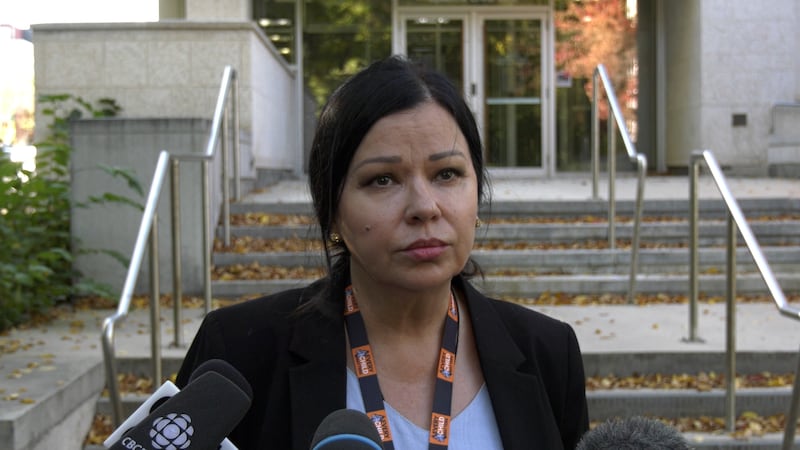
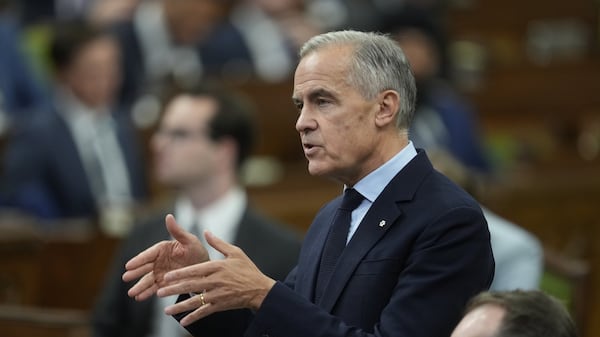
At a public standing committee, Nova Scotia officials were pressed over rising energy costs, underused affordability programs and whether the province should appoint a standalone energy minister instead of having Premier Tim Houston continue in the role. The discussion unfolded during a legislature committee meeting focused on energy affordability, where officials and advocates debated how effectively the province is helping Nova Scotians struggling to pay their power bills. Chris Benjamin, co-chair of the Affordable Energy Coalition, told the committee energy poverty in Nova Scotia is among the highest in the country. “Two out of every five households in the province are struggling to keep up with their energy bills,” Benjamin said. Benjamin said while existing programs provide important relief, they are fragmented and difficult for some people to navigate. His coalition is proposing a new Home Energy Assistance Program that would automatically connect applicants to multiple supports, including efficiency upgrades and rebate programs. He also backed the idea of separating the energy portfolio from the premier’s office. “It is difficult to access the premier,” Benjamin said. “So yes, I think it would make sense to have a separate energy minister from the premier.” Much of the meeting focused on the province’s Heating Assistance Rebate Program (HARP). Officials said the program received roughly 72,000 applications this year and helped about 54,000 households but only spent about $22 million of its more than $30-million budget allocation. Joanne Munro, deputy minister of Service Nova Scotia, said incomplete applications and confusion around income eligibility likely contributed to the underspending. “There was 9,000 folks that needed to provide a heating bill as new applicants, but it was an incomplete application,” Munro told the committee. Munro said some applicants may also have misunderstood the income thresholds because eligibility is based on net income rather than gross income. She said the province plans to review the program and improve outreach efforts ahead of next year, when $33 million has again been allocated for HARP. The NDP criticized the government’s handling of affordability supports, arguing more needs to be done as electricity rates continue to rise. “Nova Scotian power bills just went up again on May 1. They’re going to go up again by the end of this calendar year,” NDP MLA Lisa Lachance said. “Nova Scotians need help affording their power bills.” Lachance also questioned whether the government is providing enough direct leadership on affordability issues. “The Ministry of Energy, and thus this government, is not doing enough to support Nova Scotians to afford their power bills,” she said. At the meeting, Nova Scotia Power said it recognizes the cost of living and power bills can weigh heavily on customers. The committee also heard discussion about the province’s Independent System Operator, a recently established organization tasked with overseeing electricity planning and procurement. Peter Craig, director of electricity with the Department of Energy, said the organization is expected to create savings for ratepayers over time by increasing competition in the electricity system. “Nothing happens quickly in the electricity system,” Craig said, adding that savings are expected to emerge over the next few years. Committee members also questioned government officials about governance and oversight of the Independent System Operator, including whether having a provincial representative sit on its board compromises its independence. Stephen MacDonald, deputy minister of energy, defended the arrangement, saying the province’s representative serves as a non-voting member and remains subject to conflict-of-interest rules. A future committee meeting is expected to revisit whether discussions have been scheduled with Houston in his role as energy minister regarding affordability measures and the coalition’s proposals. For more Nova Scotia news, visit our dedicated provincial page