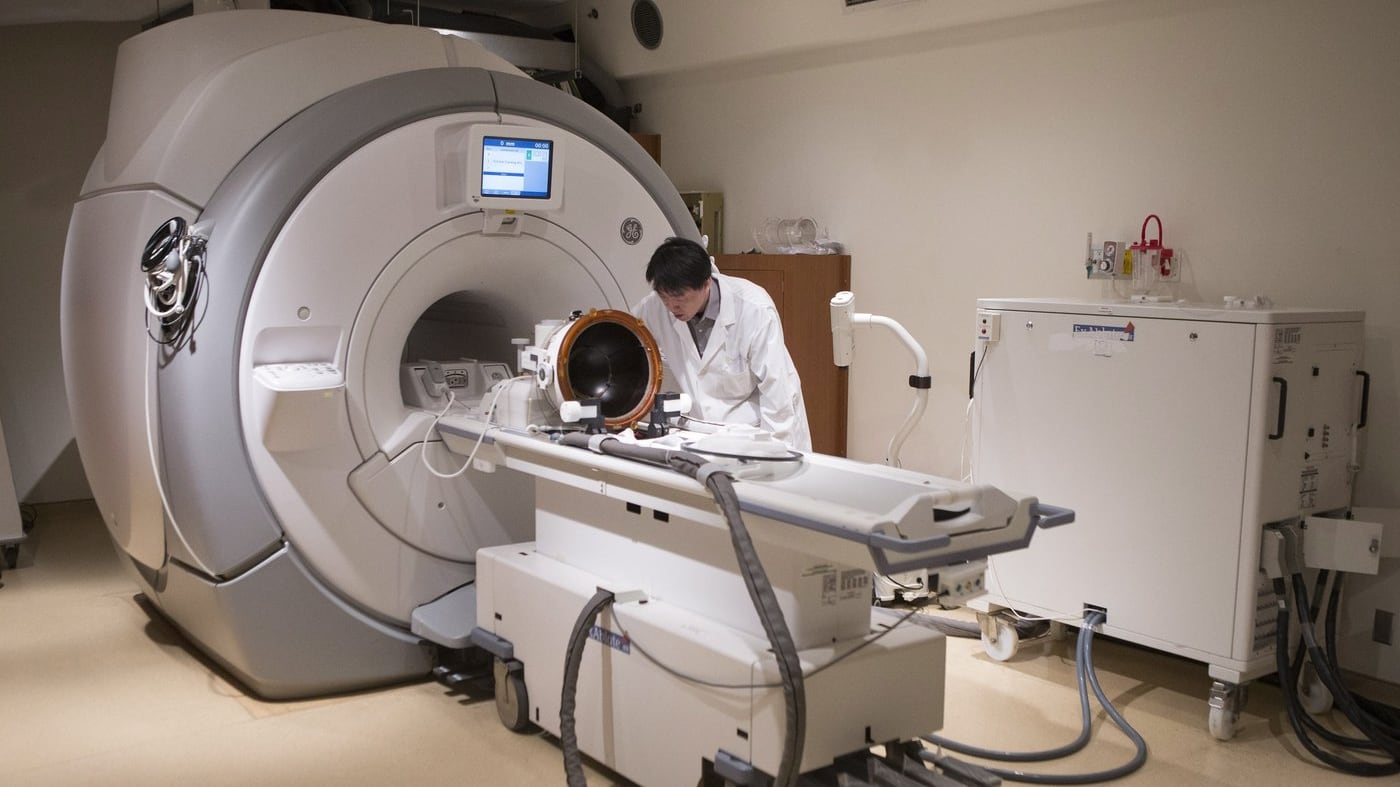
HALIFAX — A $400,000 settlement has been approved in a class action that alleged members of a Nova Scotia First Nation were subjected to MRI scans without their consent. A statement from McKiggan Hebert Lawyers says the settlement was approved in Nova Scotia Supreme Court on Friday. The lawsuit alleged that two Halifax doctors performed some magnetic resonance (MRI) scans on about 60 people from Pictou Landing First Nation without their knowledge or consent. A statement of claim says band members agreed to undergo scans as part of a research project in 2017 but were subjected to additional “secret” scans of their livers for a separate study that they weren’t told about. None of the allegations in the lawsuit have been tested in court. The defendants deny the allegations. Brian Hebert, who represented the plaintiffs in the class action, said the settlement ends a long journey for these members of the Pictou Landing First Nation. “The lawsuit brought national and international attention to the need for full disclosure and consent when conducting health research involving Indigenous participants, and the dangers for researchers who don’t bother learning the proper way of obtaining that consent,” Hebert said in a statement. “The lawsuit also sends the message: Don’t mess with Pictou Landing First Nation.” The lawsuit alleged the defendants, radiologists Robert Miller and Sharon Clarke, were liable for invasion of privacy, acting recklessly and causing distress and anguish. They were also accused of negligence, unlawful imprisonment and assault and battery for allegedly keeping the participants inside the confined space of the MRI machine for longer than they should have. The lawsuit also accused them of failing to advise participants of serious health issues that were discovered on the scans. A lawyer representing the two doctors declined to comment. The statement of claim said former chief Andrea Paul was among the Pictou Landing band members subjected to the MRIs. “The MRI scans generated data that reveal intimate medical information about her body without her knowledge or consent,” the statement said. “She had been singled out for one reason -- she was Mi’kmaq.” It added that Paul felt she was discriminated against and that she suffered “a loss of dignity and self-esteem as a result.” The lawsuit noted there is a long history of Indigenous people in Canada being subjected to medical treatment and research against their will. This report by The Canadian Press was first published Nov. 16, 2026. With files from Tori Fitzpatrick in Halifax.