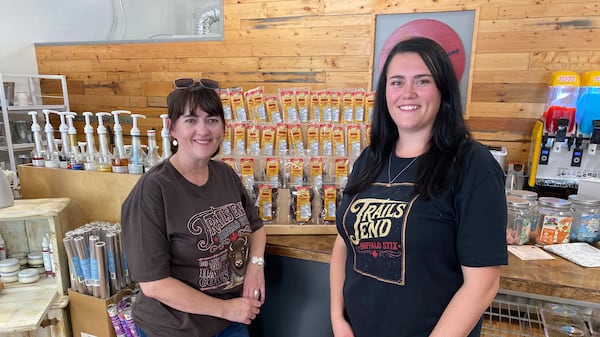
A Halifax small business owner says TikTok has become a major marketing tool for her shop and she’s relieved the platform will continue operating in Canada after a federal national security review. Caylene Jan, owner of The Silk Route - Handmade Kashmiri Heritage in Halifax, said social media, especially TikTok, has helped bring customers through her doors. “I find 90 per cent of my customers right now who are coming into the store have found me through my social media,” Jan said. Her shop sells unique items, including silk rugs that few other stores in the city carry. Jan said many customers would not even know the products are available locally without seeing them on TikTok. “Almost all of the customers come in and say, ‘I found you through TikTok. I didn’t even know this area existed until I saw your TikTok,’” she said. The federal government announced this week that TikTok will be allowed to continue operating in Canada after completing a national security review. The decision reverses a 2024 order requiring the company to close its Canadian offices over national security concerns. The platform can remain in Canada as long as it meets certain conditions, including stronger protections for minors and safeguards for Canadians’ personal information. The government also says a third-party monitor will oversee those measures. Jan said she was worried when the possibility of a ban was first raised. “I was really concerned, actually, because for me it has brought a lot of visibility that I wouldn’t normally get as a small business,” she said. “It’s definitely a relief for me, and I know for other small businesses as well, because a lot of us use it as our main marketing tool,” she said. Cybersecurity experts say questions remain about how Canadians’ data will be protected. Scott Beck, a cybersecurity expert based in Moncton, said the key concern that sparked the original review has not been fully resolved. “The big security question still isn’t being answered,” Beck said. “Can the Chinese government force this private company to give them the information? And the answer is yes.” Beck said the effectiveness of the new safeguards will depend on how they are enforced and on the consequences for companies that fail to follow the rules. “What I’d be more interested in knowing is if they see something isn’t working as agreed to, what are the ramifications?” he said. Halifax content creator Rebekah Higgs, also known as @diymom, said her main concern with TikTok is not its future in Canada but how easily children can access the platform. “As a mom, I would prefer that my child wasn’t being drawn into so much short-form content because we know that they’re having huge implications on their attention spans and cognitive abilities,” Higgs said. Still, she said it is encouraging to see the federal government paying closer attention to how Canadians’ personal information is handled online. “I’m glad to see that the government is taking the threat seriously and paying attention to where our information is going,” Higgs said.