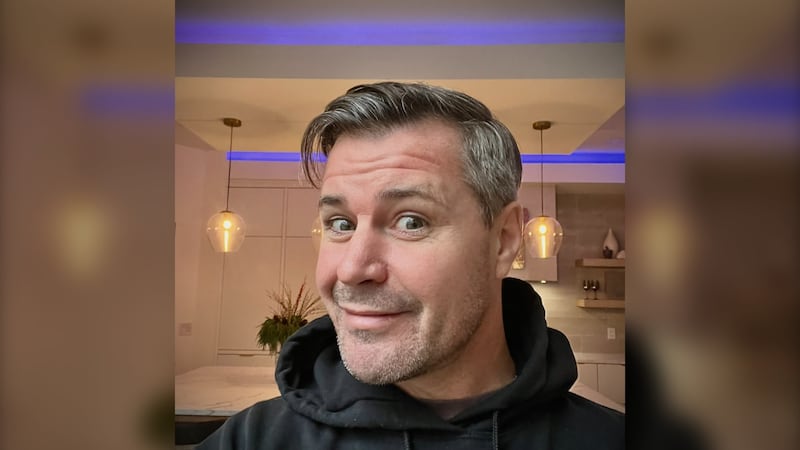
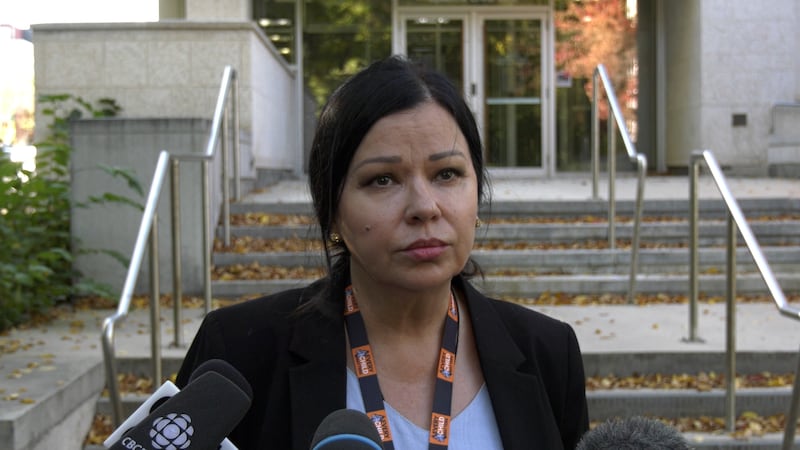
The Canadian Cancer Society is urging provinces and territories to lower the starting age for colorectal cancer screening, saying more younger Canadians are being diagnosed with the disease. The organization announced updated national guidelines calling for screening to begin at age 45 instead of 50, based on growing evidence that cases are increasing among people under 50. “Younger and younger Canadians are being diagnosed with colorectal cancer,” said Heather Mulligan with the Canadian Cancer Society. “Someone under the age of 50 is two to two-and-a-half times more likely to be diagnosed compared to other generations.” Mulligan said colorectal cancer is the fourth most common cancer in Canada and the second deadliest. But when it is detected early, outcomes improve dramatically. “When colorectal cancer is identified at its earliest stages, there’s about a 90 per cent positive outcome,” she said. “When it’s found later, that drops to about 15 per cent.” Advocates and patients like Jackie Foster say earlier screening could help catch the disease before symptoms appear and spread. In 2024, less than five months after losing her mother to cancer, Foster found herself in a hospital bed facing her own diagnosis. She had been dealing with stomach issues for months and was initially told it could be irritable bowel syndrome. However, after three trips to the emergency room in four days, doctors discovered a blockage in her large intestine. That same night, she underwent surgery and was later told she had Stage 2 colon cancer. “I had just turned 48 at the time,” Foster said. “I was active, healthy up until that point and never would I have thought I would have had cancer.” Foster considers herself fortunate that the disease was caught early enough for treatment. Now she is sharing her story publicly to help push for earlier screening. “I’m doing it for my mom,” she said. She hopes speaking out will encourage others to get tested so fewer families face the same experience. Wylie Butler of Paradise, N.L., also wishes his screening had come sooner. Butler was 48 when he was diagnosed with colorectal cancer after weeks of symptoms he initially didn’t think much about. His treatment included multiple surgeries and serious complications. “Being checked early would be an amazing thing to do,” Butler said. “I wish I had done it earlier.” Today, Butler says his outlook on life has changed. He now focuses on staying active, feeling grateful and doing what he can to support cancer fundraising efforts. For both survivors, the message is simple – catching cancer early can make all the difference.