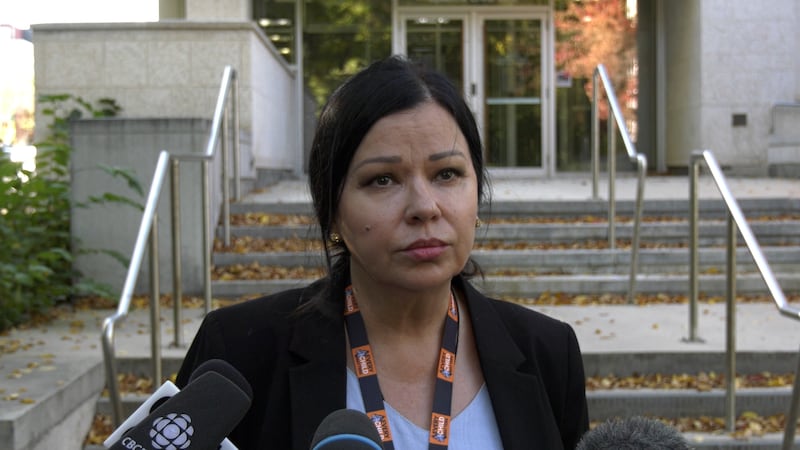
A new poll shows how many Canadians are worried that an unexpected emergency could derail their finances. From major home repairs to medical bills and car problems, the RBC Emergency Readiness Poll shows Canadians are concerned about the impact these issues would have on their savings. According to the poll, 45 per cent of Atlantic Canadians have this concern and 38 per cent say even a small, unexpected incident would be hard to recover from. “I think if you look at how expenses have risen versus incomes rising and everything like that, the squeeze had to happen sooner or later, and it’s just been here for a while, so it’s how do we adjust what we do to handle that?” said Halifax-based financial planner Wendy Brookhouse. More than half of Atlantic Canadian respondents, 52 per cent, say they faced an emergency expense over the past year. Four-in-10 respondents, or 42 per cent, with household incomes under $100,000 don’t have an emergency fund to absorb the hit, according to RBC’s findings. When asked how they would financially handle a sudden emergency, 40 per cent of respondents said they would use an emergency fund. Forty per cent said they would rely on a credit card, while 11 per cent said they would borrow from family or friends. To prepare for the unexpected, Halifax resident Damon Seeton recently opened a credit card for the very first time. “I just tried to live within my means, but things have gotten so rough lately when it comes to food and finances that I kind of needed a safety net, so I just recently went and picked one up,” said Seeton. “It’s not very big, but it’s enough that I can maybe get by if an emergency actually pops up.” Nineteen per cent admitted they hadn’t considered what they would do in that scenario. RBC cites a number of reasons Atlantic Canadians haven’t been able to build a financial cushion for emergencies. The majority of their respondents, 83 per cent, point to the high cost of living as a significant hinderance. Brookhouse said there are small ways to start building an emergency fund. “If you don’t have a lot, $20 a week automated. Don’t wait to see what’s leftover at the end because, you know, there never is. So, what if we just put the $20 out and we dealt with what’s left behind,” she said. “These things can take time to grow, but they do grow.” She also suggested going through monthly expenses, including subscription services, to see where someone may be able to cut back. “I have had clients save hundreds of dollars a month on apps they’re not using. It’s just doing that double check,” said Brookhouse. RBC’s findings come from an online survey it commissioned from April 22 to 28 using a sample of 1,513 Canadians.