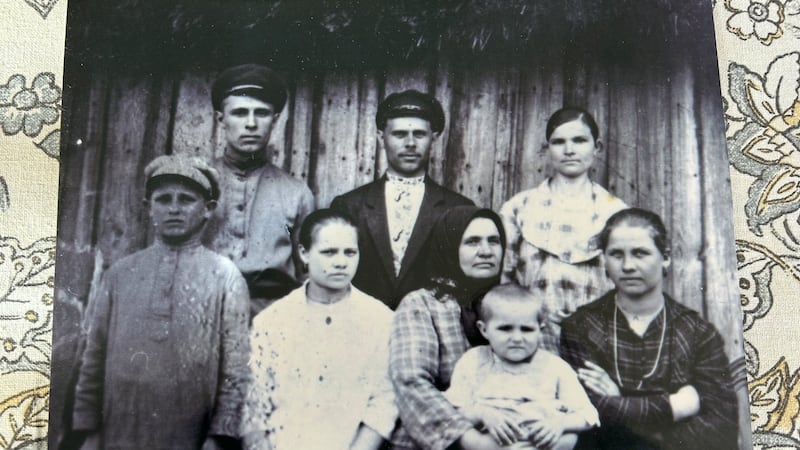
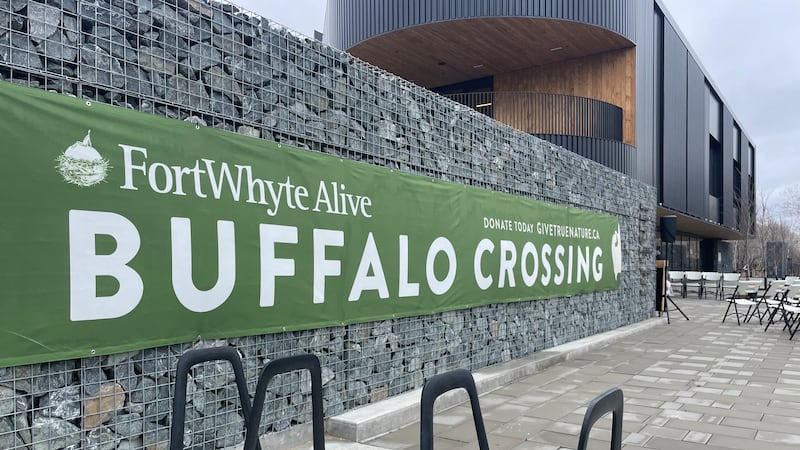
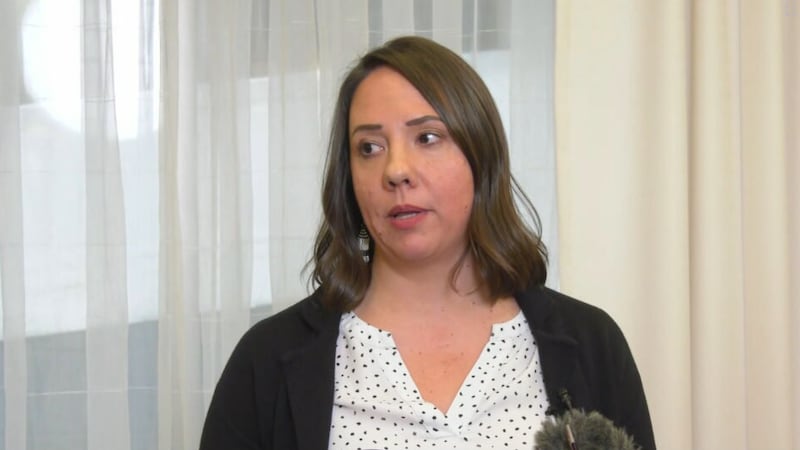
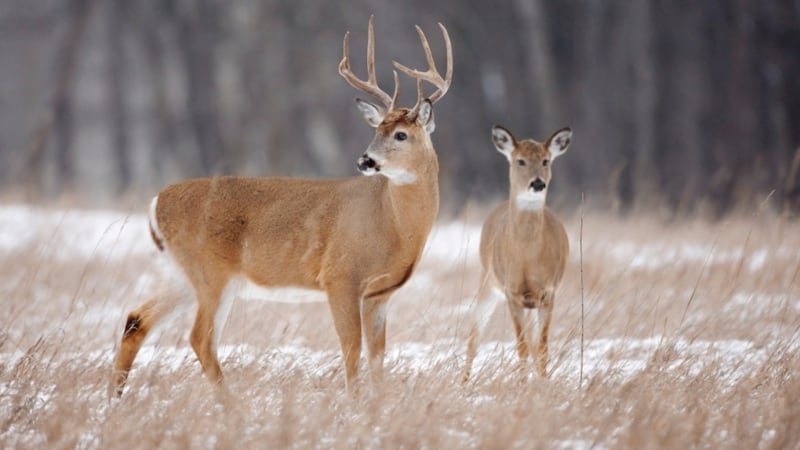
It has been 60 years of connecting people to nature and teaching Manitobans about sustainability and FortWhyte Alive hopes that commitment to Mother Nature continues for years to come. To celebrate the milestone, FortWhyte Alive is offering free admission all day Sunday starting at 10 a.m., with family-friendly events scheduled throughout the day. “We’re just thrilled to have been a part of the community for this long,” said Liz Wilson, the president and CEO of FortWhyte Alive. Wilson notes the area has gone through a number of changes through the years, but nothing more dramatic than what the land was first used for during the early 1900s. “This was an industrial site. So we are on what was Canada Cement land,” said Wilson. “They dug clay pits here and they harvested that clay and gravel and made Portland cement, which is what actually a lot of the City of Winnipeg buildings are built with.” Once the pits were done being used, Wilson said they eventually started to fill with water, becoming man-made lakes—five of those lakes make up part of FortWhyte Alive right now. By the 1950s, Wilson said the cement workers saw the benefits of having the nearby lakes, so they started to bring in fish and waterfowl and began a little ecosystem. “(The workers) fished, they swam, and they picnicked around these pits that turned into lakes.” In 1955, the Lucky 13 Rod and Gun Club was founded by the employees of Canada Cement in an effort to build a nature trail in the area. “They are the ones that really were the impetus to start Fort Whyte on this path of conservation—caring about wildlife and habitat.” By 1966, the provincial government took notice of the site and what it meant to the community. “The Province of Manitoba passed an act and the Wildlife Foundation of Manitoba was created and that was the start of what we know now as FortWhyte.” The first building appeared on the site in 1974, and the area has continued to expand, with nature conservation being the main focus for every decision. “We now steward 660 acres of beautiful reclaimed green space and we’re Canada’s largest reclaimed green space.” Wilson said a place like FortWhyte Alive is more important than ever, not just for the opportunities it can provide for learning, but because it can be a space that greatly improves people’s mental health by reconnecting with nature. “We’re seeing now there’s so many challenges that youth are facing in their lives, so much screen time, a lot of mental health (concerns), anxiety about climate change, and to have this place that everyone in Manitoba and Winnipeg can come to and get a little bit of time outdoors and get some nature time, see some wildlife, and really have a safe place to come and experience nature and wildlife is so important.” Over 30,000 school kids visit FortWhyte Alive every year, on top of 100,000 visitors yearly. Wilson said there are times when FortWhyte Alive is a person’s first interaction with wildlife, whether it be with the herd of bison exploring their field or a deer walking on a trail. “It just sparks a curiosity and an interest and that is all it takes to set somebody on their way to appreciate wildlife and nature.” Looking to the future, Wilson hopes to continue to build on the educational aspect that people experience on a daily basis, but she also wants to mix in more teachings on how to be more sustainable in your day-to-day life. “So that is really our mission; we want to connect people with nature, but we also want to teach them how to live more sustainably and how those small actions that you can take do matter.” For those who want to partake in the anniversary celebrations, Wilson said there will be history and walking tours, fire pits for people to keep warm and roast marshmallows, and celebration cookies to enjoy. “You can really just explore at your own pace all day.”