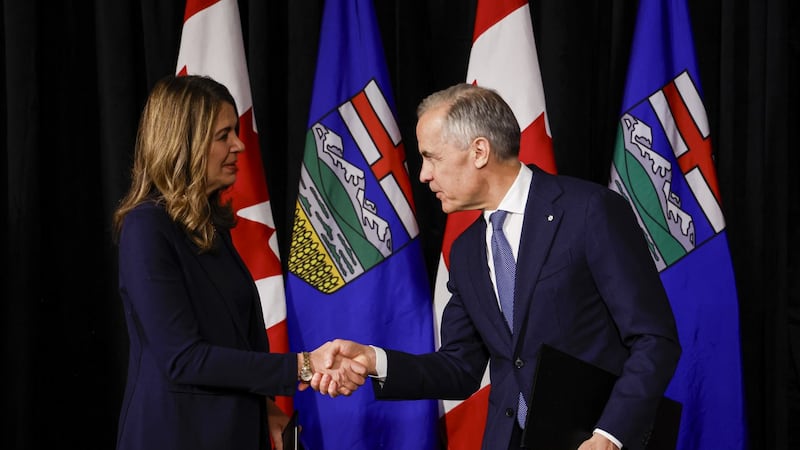
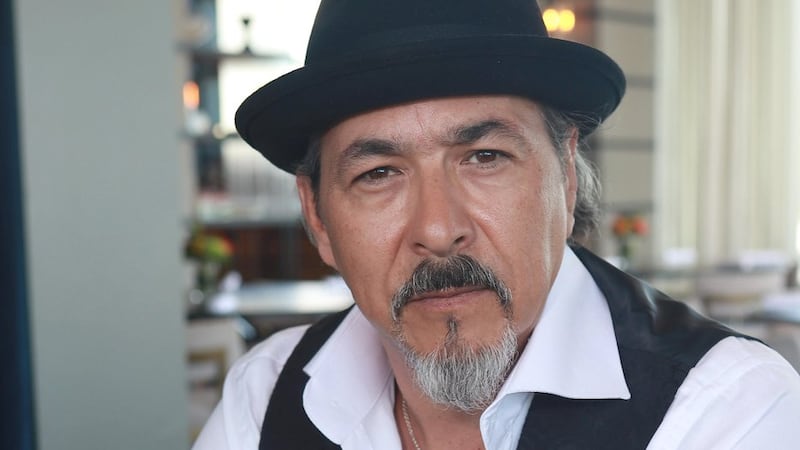
LaSalle’s mayoral candidates offered competing plans Tuesday for controlling taxes as the town prepares for thousands of new homes. Incumbent Crystal Meloche, Michael Macri and Shaun Dass took part in a mayoral debate Tuesday morning on The Kyle Horner Show on AM800. It came the morning after residents spoke with candidates at LaSalle’s meet the candidates event. Residents who spoke with CTV News pointed to taxes, new approaches to town finances, infrastructure spending and affordable housing as priorities. The candidates were asked whether LaSalle could hold a future tax increase at zero per cent. Meloche pointed to rising construction and operating costs, as well as the services the town must maintain. “Anyone sitting here around this table today who says to you they can give you a 0 per cent [tax increase], they need to tell you what they’re getting rid of,” she said. Meloche said she would continue pursuing funding from senior governments and expanding LaSalle’s commercial tax base, pointing to the $200-million Shoppes at Heritage development and more than $30 million in grants she said the town secured over the past four years. Macri said he would take a different approach to the 2027 budget. Each department would have to justify its spending from the ground up, rather than start with the previous year’s amount. “My 100-day plan, which is online, sets a minimum target of a $2 million reduction in expenditures,” Macri said. “This has nothing to do with cutting frontline services.” He said increases in unavoidable costs could be offset by savings elsewhere, making a zero-per-cent tax increase possible. Dass argued the town missed a chance to do that *this year*. He proposed directing annual federal infrastructure funding toward roads and reducing the amount contributed to the roads reserve from property taxes. “We could have had a 0% budget, 0% tax base budget,” Dass said. The debate then turned to whether new businesses could bring in enough tax revenue to reduce homeowners’ share of the bill. Macri said he would reorganize town administration to create a dedicated economic development team. He wants it to seek businesses connected to the Gordie Howe International Bridge corridor, including trade-related services and light industry. Meloche challenged how much industrial development LaSalle could accommodate under its planning rules. “We do not have land for the industrial expansion that some are proposing,” she said. Macri said he was proposing a different scale of business. “I am not talking about heavy industry,” he responded. “I’m talking about a definition of light industry.” Dass also wants to expand the industrial tax base. He suggested the town examine opportunities along Morton Drive and in the Howard Bouffard growth area. LaSalle had 32,721 residents at the 2021 census. Its Howard Bouffard stormwater project is intended to support development that could eventually include approximately 10,000 new homes. What kinds of homes get built matters to voters, too. At Monday’s event, one resident called for “affordable housing for the youth.” Meloche said the Howard Bouffard plan includes detached houses, townhomes and condos, along with parks, trails, school sites and commercial space. The province has committed more than $22.4 million for stormwater work in the area. “I’m not going to say affordable because I think we all know affordable is a different term,” Meloche said as she described the housing mix. She said the range of homes would offer more attainable prices. The grant prompted questions about who would pay the remaining costs. Meloche acknowledged residents would pay a portion, but said development charges would contribute. Macri said that before proceeding, he would seek a growth fiscal impact assessment covering construction, future operating costs and expected tax revenue. “What will the developers pay? What will senior government fund? And what new tax revenue will be generated from those 10,000 homes?” he asked. The candidates also disputed whether LaSalle should offer relief from development charges to encourage building. Meloche said a temporary reduction program could bring more housing choices to market sooner. She maintained that development charges generally make builders contribute toward infrastructure. “We have development charges in the town of LaSalle,” she said. “We actually in the beginning of this year did a study to come up with new charges.” Macri took issue with past fee relief and said the town needs to plan more carefully for growth. “We have waived developer fees. That’s a fact,” he said. Dass argued that easing charges for developers has not reduced current residents’ property taxes. He called for more small starter homes and clearer limits on building height and density. The order of construction was another point of contention. Dass cited flooding in existing parts of LaSalle as a warning for Howard Bouffard. “Infrastructure before building — that should be a rule,” he said. Meloche said the town is planning drainage work before development in Howard Bouffard. On Front Road, where Dass questioned ongoing flooding, she said pump stations and a retention pond are still under construction. “You’re still probably a good 18 months to two years away from that project being fully completed,” she said. Road construction brought the debate back to residents’ day-to-day concerns. Macri said the Malden Road improvement plan uses traffic data from 2019 and should be reassessed before work begins. “Before one shovel hits the ground, it’s already outdated,” he said. Meloche said the plan uses that data to project traffic growth through 2040. She said work expected next year will add a centre turning lane and a traffic light at Riem Road. Dass raised concerns about congestion and the effects of prolonged construction on businesses. The candidates also discussed LaSalle Police. Meloche and Macri said they want to retain the town’s force. Dass said he supports LaSalle Police but believes the town’s debt may require difficult choices to be made about municipal services. He said he would poll residents on whether to keep the local force or consider another model, such as the OPP, and follow whichever option they chose. Online voting in LaSalle begins Oct. 16. The election ends Oct. 26.