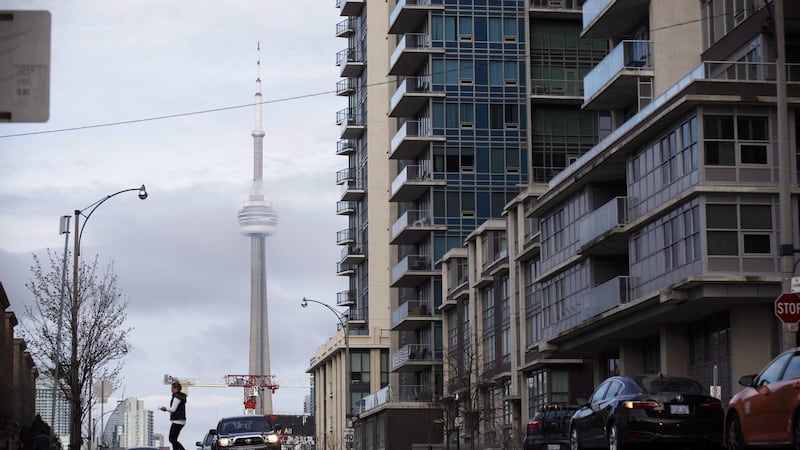
The federal government is proposing to allow foreign buyers to purchase newly built homes for the first time since a nationwide ban took effect in 2023, a move some housing experts say could help reduce unsold condo inventory and get more projects moving in Metro Vancouver. The measure is included in the 2026 federal budget, which would extend the ban on foreign purchases of existing residential properties until Jan. 1, 2029, while exempting newly built homes. The government says the change is intended to unlock additional investment in new housing supply. Brendon Ogmundson, chief economist with the B.C. Real Estate Association, said the policy mirrors a model used in Australia that allows non-residents to purchase newly built housing while preventing them from buying existing homes. “One that we’ve been arguing for is to adopt an Australia-type model where non-residents can still buy new housing,” said Ogundson. “So it enables developers to finance new supply. And that’s what they’ve adopted in this budget.” The change comes as Metro Vancouver’s housing market remains sluggish. According to Greater Vancouver Realtors, home sales in September were down 8.4 per cent from a year earlier and sat 25 per cent below the 10-year seasonal average. For some observers, the key question is whether allowing foreign buyers into the new-home market could help absorb unsold inventory. Andy Yan, director of The City Program at Simon Fraser University, estimates there are roughly 4,500 completed but unsold condominium units across Metro Vancouver. “We have about 4,500 built units that have been unsold in the condominium world. I think that is really an attempt to stimulate those units to be purchased.” Ogmundson said the policy could help move some of that inventory. “There’s a lot of inventory of unsold new condos, and those would be available then for non-resident buyers,” said Ogmundson. “We have all kinds of regulations and taxes in place to ensure they’re not empty, unlike maybe some of the trouble we got into in the 2010’s, so I think this could help in reducing that inventory.” Not everyone expects the change to dramatically reshape the market. Michael Geller, a Vancouver planning and development consultant, noted B.C. continues to have its own rules for foreign ownership. “The fact that the government has now decided to keep the ban in place for existing homes, but eliminate it for new housing, I think will be viewed positively and we’ll have some impact,” he said. “I say some impact, however, because the province still has a 20 per cent foreign buyers tax on top of the property transfer tax.” Whether B.C.’s newly elected Conservative government chooses to make changes to those provincial measures remains unclear. Supporters of lifting the federal ban argue attracting more buyers could also help developers secure financing for future projects. In recent years, high interest rates, rising construction costs and weak pre-sale activity have made it harder for some developments to move ahead. Andrey Pavlov, a professor at Simon Fraser University’s Beedie School of Business, said the measure could improve pre-sale demand, which is often key to getting construction financing approved. “This is more appropriate for investors,” he said. ”Allowing for investors to enter; that will help sell those pre-sales. And then that will allow builders to obtain their financing for the construction.” The budget also expands access to 30-year mortgage amortizations for some first-time homebuyers, a move supporters say could make monthly mortgage payments more manageable, though critics argue it does little to address the underlying cost of housing. Whether the measures ultimately improve affordability remains debated, but supporters say they could help clear unsold inventory and encourage more home building at a time when Metro Vancouver’s housing market remains well below historical sales levels. All experts agree, however, that any significant change to B.C.’s housing market would likely require alignment from all levels of government.