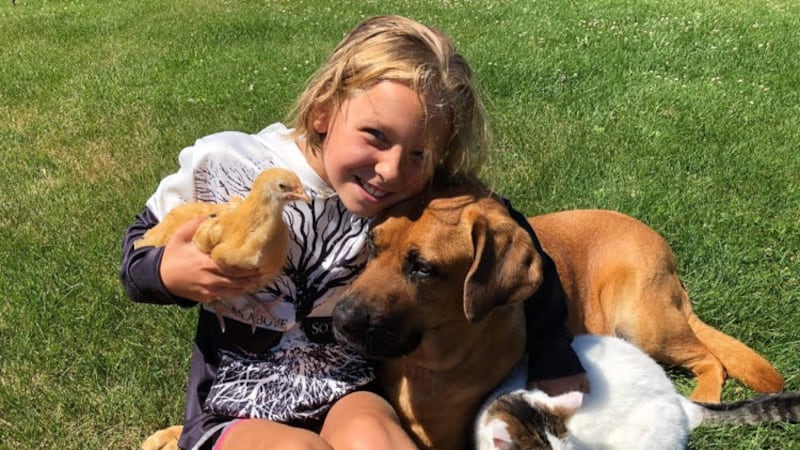
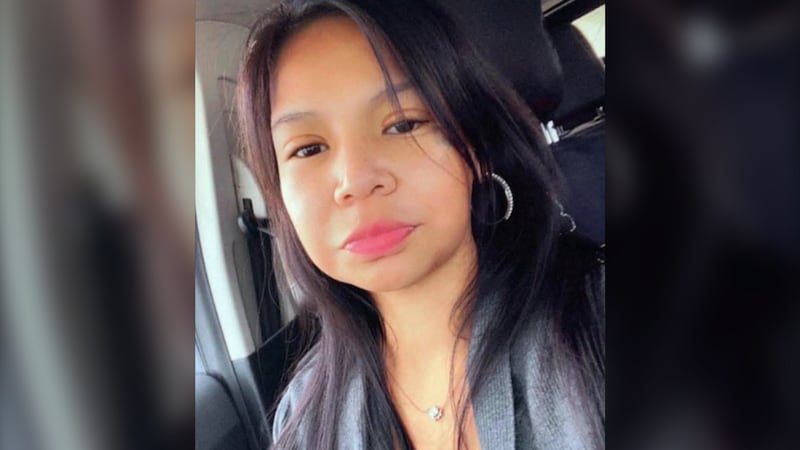
The B.C. Coroners Service has confirmed it will hold an inquest into the death of 15-year-old Chase de Balinhard, who was shot and killed by RCMP in Surrey earlier this year. The announcement comes just days after the province’s police watchdog ruled the officers involved acted lawfully. A date has not yet been set, but the inquest is expected to take place in the new year. Under B.C.’s Coroners Act, an inquest is mandatory when a death occurs while someone is detained by, or in the custody of, a peace officer. A coroner and jury will hear evidence under oath to determine the circumstances of the teen’s death and may issue recommendations aimed at preventing similar incidents. The De Balinhard family says the news is bittersweet, but this is the outcome they’ve been waiting for. “We are elated. It’s very exciting. It’s been a long 10 months,” Chase’s mother, Crystal De Balinhard, told CTV News after receiving the call. “It could take a long time, but I’d rather it take longer and be done correctly and help all the neurodivergent people out there,” she added. What the IIO found The Independent Investigations Office released its decision on the case last week, concluding the officers were legally justified in shooting the teen. According to the watchdog, the teen called 911 on himself reporting that he was suicidal, autistic, and armed with a gun. The report said officers spent roughly 20 minutes attempting to communicate with Chase and considering several non-lethal options during what it called a rapidly evolving, high-risk encounter. The officers reported that the teen pointed a firearm at them multiple times. The weapon was later determined by the IIO to be a loaded pellet gun. “The pellet gun was up in my office,” Rick De Balinhard, the teen’s father, told CTV News back in February. “I unfortunately had unlocked that drawer to get something else out.” Chase had both autism and obsessive compulsive disorder, and the family believes he discovered the unlocked drawer as part of his fixation on trying to access areas in his home he wasn’t supposed to. “The responding officers were acting in the lawful execution of their duty in attempting to apprehend (Chase), who was reasonably understood to be in possession of a loaded firearm and intending to harm himself with it in a public place,” read the IIO report. The De Balinhards says Chase regularly walked his neighbourhood without incident, so they were shocked when they learned what happened. They suspect their son— who functioned developmentally closer to a 10-year-old in some settings — may have taken the pellet gun outside to record a prank video. They say he could not fully grasp how others might perceive it as a threat. The IIO found the officers reasonably feared for their own safety and the safety of bystanders. The watchdog also noted that Chase was likely in sensory overload at the time, which may have affected his ability to respond to police commands. “It is likely that the attempts at establishing dialogue and response were hampered by the sight of the officers’ uniforms and firearms, and by the sounds of shouted commands,” the IIO report said. Family says the case is complex—and unanswered questions remain Crystal De Balinhard says the months-long IIO investigation has been emotionally gruelling and described the process as both lengthy and restrictive. “It’s been a long road for us. The IIO investigation was nearly 10 months, 298 days. They weren’t able to tell us much, because it’s an investigation,” she said. While she acknowledges mistakes were made by her son, she maintains that many aspects of the incident require deeper examination—particularly the communication between Chase and first responders. Crystal says she wishes the 911 call, which she has since listened to herself several times, could be made public, believing it would provide crucial context. “Chase was not in any distress whatsoever. He was talking to the 911 caller like you and I are talking. He was very polite… some of the language in the call was a bit above his comprehension,” she said. The IIO says the 911 call lasted 19 minutes during which the operator asked Chase if he trusted the police, and he said he did not. “The call-taker next asked if it was just a lack of trust or if he felt he wanted to harm the police as well, and (Chase) responded, ‘Both,’” the report said. Shortly after Chase suddenly shouted a profanity and said nothing further before the call was disconnected, according to the IIO. The family believes Chase did not fully grasp the consequences of placing the emergency call. “I don’t think that Chase realized what he said would bring on the… tactical [response]. I don’t think he would realize that all the police would be showing up,” she said. Crystal also acknowledged that the situation was difficult for responding officers. “He was completely in shut down mode… and I know how difficult that would have been as well for the officers involved.” ‘We lost our son, but if something good can come from this…’ The De Balinhards have been advocating for an inquest and autism-specific police training since Chase’s death. Last week the province confirmed that such training is now mandatory for all B.C. police officers—a change Crystal says should have come much sooner. “I still can’t believe in 2025 that there’s no mandatory autism training for police officers — now there will be,” she said. She believes the upcoming inquest has the potential to close gaps identified in the IIO’s report. “All the gray areas that were unanswered in the report hopefully will come to light in the coroner’s inquest,” she said. Despite the pain of the past year, Crystal says she hopes the process leads to long-term improvements for neurodivergent people in B.C. “It’s bittersweet. We lost our son, but if something good can come from this, then that’s great news,” she said. She added that new police training gives her some optimism for the future. “The police training that’s rolled out, that’s a step in the right direction as well. We’re just — our heart feels lighter today. Change is in the works.” Crystal believes the inquest could help make interactions safer for both the public and police. “We’re ecstatic about the coroner’s inquest. It’s a good thing for everybody. We’re going to learn, we’re going to grow, we’re going to make our neurodivergent society safer.” What happens next A presiding coroner and jury will hear testimony from witnesses, including medical experts, police, and potentially the 911 call-taker. While the jury cannot assign blame, it can make recommendations aimed at preventing similar deaths if it sees fit to do so. The family says they’re prepared for a long process —but one they believe is essential. Read more: Lost in Translation: The Death of Chase De Balinhard