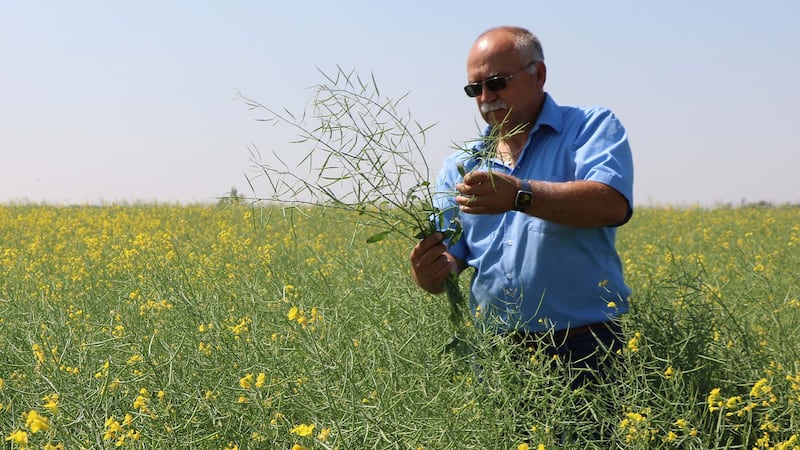
The Agricultural Producers Association of Saskatchewan (APAS) welcomes the expansion of a tax break for land transfers to include nieces and nephews, which it says will make it easier to keep farms in the family. APAS has advocated this expansion for many years. “Certainly, that transfer to nieces and nephews was expensive,” said APAS President Bill Prybylski. “Particularly these days, with the value of land being as it is, in a lot of cases it is necessary to sell part of the land just to pay the tax burden. This is certainly going to help in those cases.” As part of the 2026 federal budget, the Government of Canada is proposing expansions to intergenerational farm transfer tax deferral rules to include nieces, nephews, grandnieces and grandnephews. This expansion would come into effect Jan. 1, 2027. Under current rules, tax referrals on any taxable capital gains from the transfer of farmland are allowed to children and grandchildren. However, Prybylski says farms are not always passed down this way. “We recognize there’s different dynamics within the family farm the current rules don’t necessarily account for,” he told CTV News Tuesday. “This expands the tax deferral provision to nieces and nephews, allowing that family farm to continue [and make it] a little easier for that transfer happen.” APAS says keeping farms in families is important to many, adding these new provisions will make it easier for families to do so. “The family farms have quite a few different nuances in how they’re set up,” Prybylski explained. “A lot of times it is the cousins involved rather than sons or daughters.” Still, Saskatchewan producers are in need of further relief. With soaring diesel and fertilizer costs, APAS says farmers are looking for any avenue to recoup costs. That includes easing access to global markets. “We would like to see more dedication in ensuring farmers have access to world markets, and at critical times during the season,” Prybylski outlined. “We need to be able to make our crops get to the ports in a timely fashion; because in the past we’ve lost sales, we’ve lost prices just because parts of the supply chain weren’t operating as efficiently as they need to be to make sure farmers are getting full value for the products they’re growing.” One measure Prybylski highlighted as a positive for producers are new tax write offs which will allow farmers to expense 100 per cent of capital purchases, including equipment. “If they’re buying a huge piece of equipment, that helps manage their tax burden,” he said. “That’s certainly something we’ve been calling for several years and [we’re] very, very welcome to see that in the budget.”