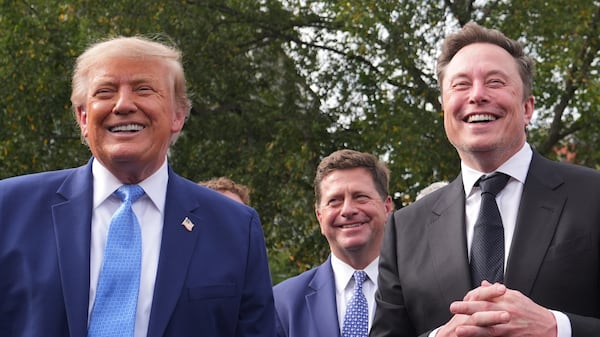
Farmers in Saskatchewan are in the midst of harvest and buying parts to keep their machinery running. Many hope counter tariffs don’t drive up prices further. “Well, they’re already expensive. This is made in the U.S., but it would have avoided the tariff,” said Doug Seierstad, a farmer in the Parkbeg area. “Lucky, we got them this week, I guess.” Some farm equipment parts are on the list of Canadian counter tariffs that take effect on Sept. 8, but tractors and combines are not. “Parts, smaller stuff. They’re talking mowers, grass cutting stuff at this point, that can change in a hurry with their governments,” noted Dale Scott, a branch manager at Young’s Equipment. The tariff war with the U.S. has Canada looking to develop additional markets. Next week, Crown Investments Minister Jeremy Harrison and Premier Scott Moe are traveling overseas to secure uranium sales. Really, kind of pitching Saskatchewan and Saskatchewan companies in the nuclear supply chain globally, we’re going to be doing that as well. I mean, that’s going to be a part of what we’re doing in the UK.," Harrison noted. According to NDP MLA Sally Housser, the Official Opposition supports the trip. “It’s absolutely important that we promote everything that Saskatchewan has to offer, particularly as we’re dealing with the trade and tariffs war with Donald Trump,” she told CTV News Friday. “I think what the people of Saskatchewan want to see for these trips is a return on investment.” The federal government considered the impact on Canadian consumers in selecting counter tariffs, but farmers, for example, will still have to purchase U.S. made parts for their American-manufactured machinery. Some counter tariffs may have to be reassessed if they prove to cause more harm than good.