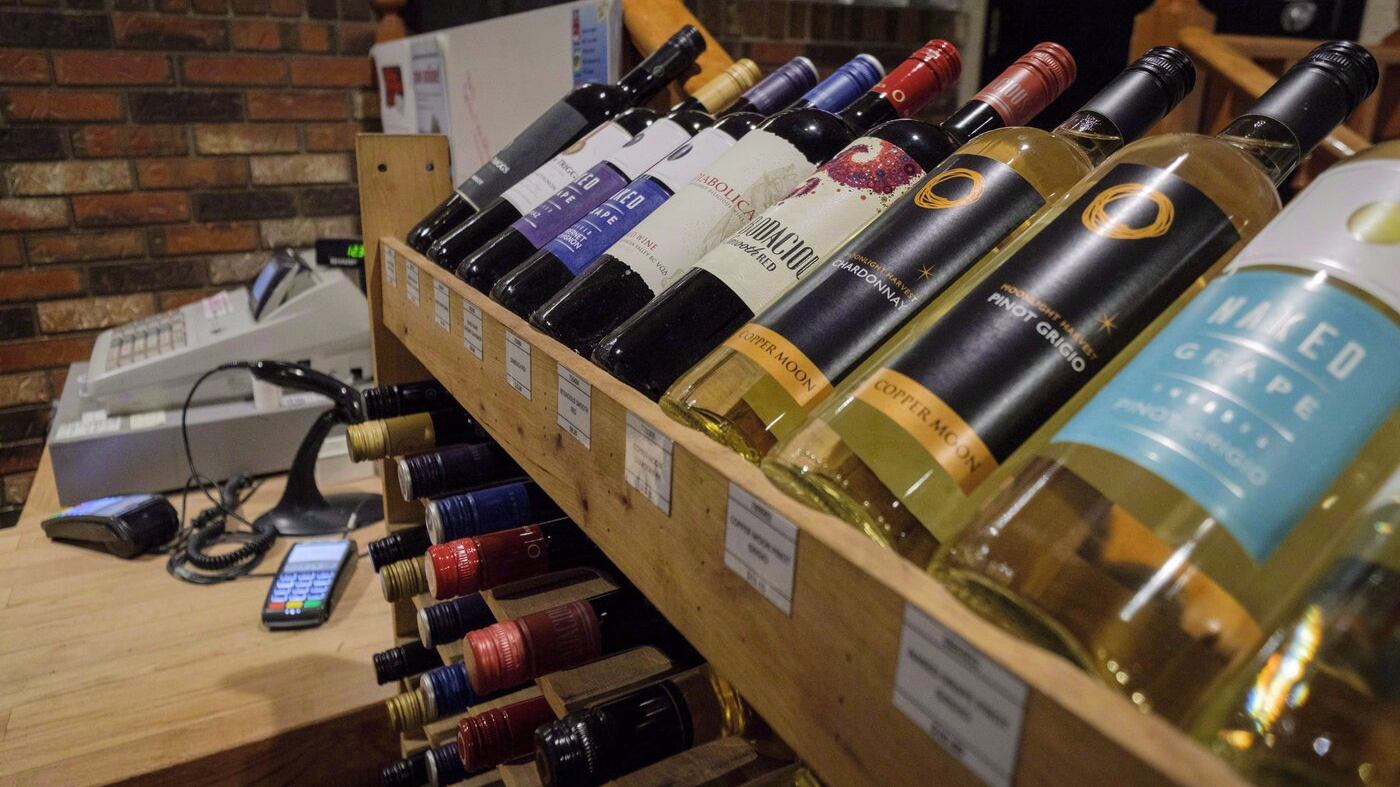
The Government of Saskatchewan says recently proposed amendments to liquor and gaming regulations will “enhance public safety” while reducing “unnecessary constraints” on businesses. If passed, one of the amendments proposed Thursday would formalize the requirement that establishments ask for ID from anyone who appears to be under the age of 25. According to Warren Kaeding, the minister responsible for SLGA, the move would better allow police to act if necessary in those certain situations. “We’re giving our police services the opportunity now to evict someone from a licensed establishment. Before it was policy. Now we’re providing that in regulation,” he explained. “It just allows our police forces to have just that opportunity, that bit of policy enshrined in legislation, in case they’re ever challenged in that.” The changes will also allow the Saskatchewan Liquor and Gaming Authority (SLGA) to create Minors as Test Shoppers (MATS) programs at casinos and VLT sites – similar to what is already done for liquor retailers and cannabis dispensaries. MATS consists of the SLGA using supervised individuals under the age of 19 to attempt to buy liquor or cannabis in order to test if retailers are properly enforcing age restrictions. Other legislative changes will see hotels be given greater flexibility with allowing guests to bring drinks served at connected restaurants to their rooms. Additionally, licensed establishments will be given the ability to request additional hours during national and international events, with Kaeding specifically pointing towards the temporary extension of hours during the World Cup. “There were some very odd times when licensed establishments wanted to be open to be able to take advantage and and have their patrons there to cheer Team Canada on,” he said. “That was not in legislation to provide them that opportunity to be open at hours that were outside the standard operating hours that were on their permits. So what this does now it just moves some of the policy into legislation.” The minimum threshold for classifying an alcoholic beverage will also increase to align with other provinces – while allowing retailers to produce and sell products with very low alcohol content without a permit. “We’ve got a mustard product that we were aware of that has a very low alcohol content that actually wasn’t able to be on the store shelves in Saskatchewan because we did not have that modernized legislation in place,” Kaeding added. “A lot of food products are actually using alcohol as a bit of a preservation method, and what we have done now is just to align ourselves with other neighbouring jurisdictions.”