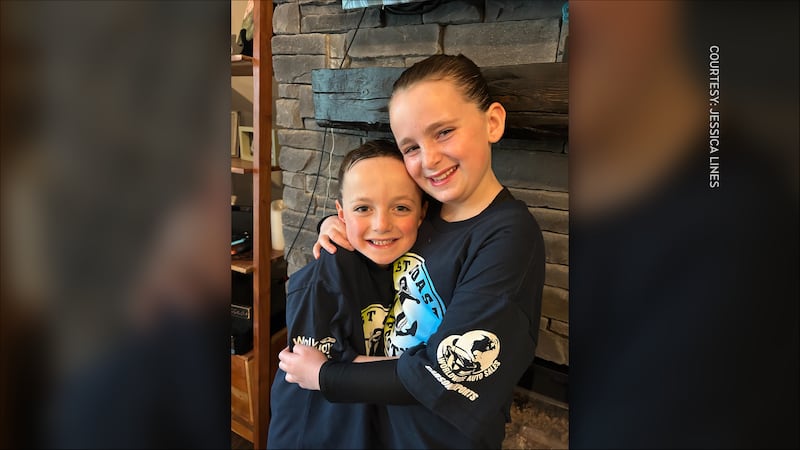
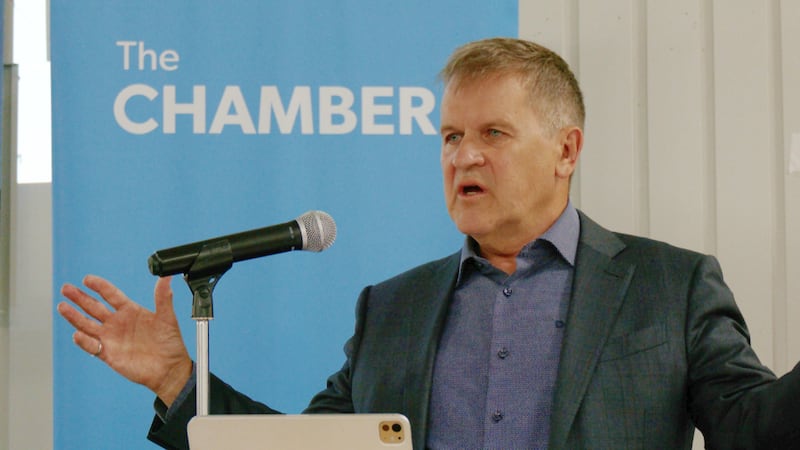
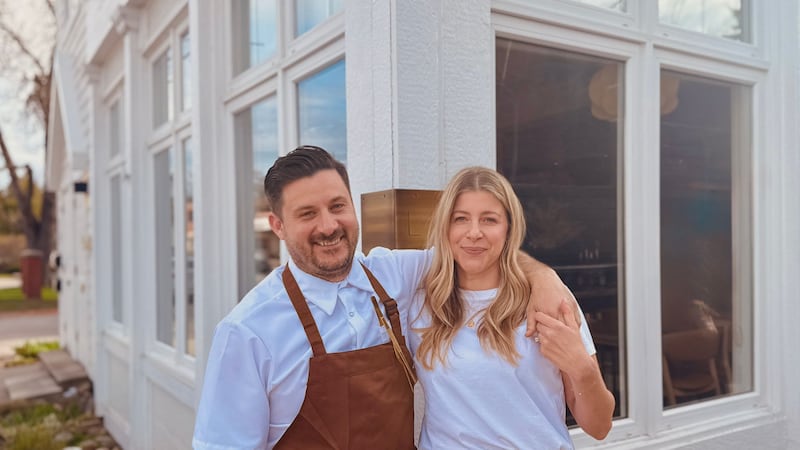
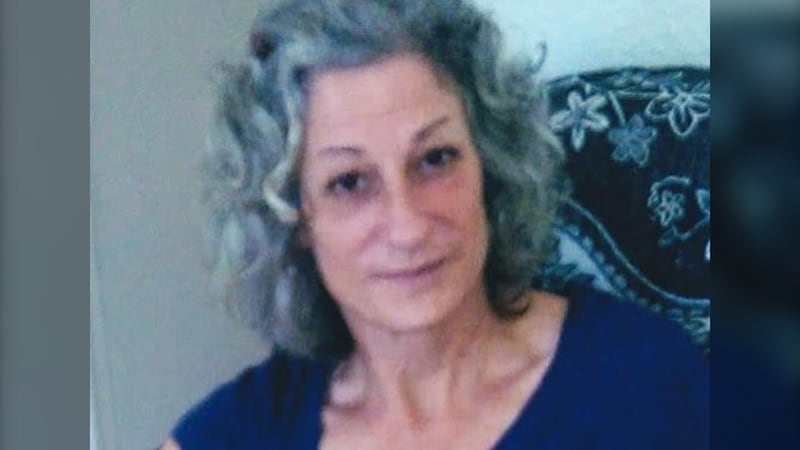
On Monday, London Coun. Elizabeth Peloza sat down for an interview about how motherhood and medical decisions are shaping her chemotherapy journey in the wake of breast cancer surgery last December. IN PHOTOS: Motherhood shaping medical decision IN PHOTOS: Navigating Cancer, Work, and Life Peloza is sharing her healing journey in an ongoing series on CTV News at 6 p.m. and at CTVNewsLondon.ca Viewers are invited to share feedback and questions at this email address, AskCTVLondon@bellmedia.ca. CTV News - How are you balancing being a mom, a city councillor, and ensuring your medical care is a priority? Elizabeth Peloza - Last week was a lot. The PICC [Peripherally Inserted Central Catheter] line was put in. Once it went in, I had to go make sure with an X-ray that everything was exactly where it needed to be. The next day, I’m back at the hospital for bloodwork and an oncologist appointment. The next day, I was back at the hospital for chemo. Each appointment takes like three [or] four hours. It’s perpetually hockey season as a hockey mom; there’s always hockey going on. [I] just try to find that balance and then try to understand my body and let my body take a rest when it needs. That might mean having an afternoon nap and doing work emails at 11 p.m. [because] that’s when you feel good. You’re doing resident phone calls in the morning because you’re feeling best, and then you’re back to an afternoon of quiet time. I miss the community interactions and being at events, so just trying to find a way to still meet with people virtually or accommodate their needs. I’m having to avoid those large gatherings that I love. But 700 people, 1,200 people, probably with chemo and no immune system is not the safest place for me to be right now. CTV News - Tell me about the role your kids play in motivating you through the difficult parts of chemotherapy? Peloza - I have three kids, aged 15 to 20. I am grateful for the tests that are available. The genetic testing available at no charge. Some other tests that tell you about the likelihood of it recurring somewhere in your body within 10 years. For me, when the tumor margins came back clear and the lymph nodes came back clear I was anticipating just receiving radiation. [But] when those other tests come back. The numbers were high for a likely reoccurrence. Higher than I’m comfortable with because I have children [that] I’m still raising. So [I] went the chemotherapy route. Two of the boys shaved their heads, different parts. So now we’re waiting to see if mom can rock the bald haircut as well as they can. So trying to find the humor in it but really making sure that I do what I can to make sure I am here for my kids as they continue growing. CTV News - Earlier this week you recorded a cellphone video on your way into the hospital to have a PICC inserted into your arm. What role will it play in your chemotherapy? Peloza - My first round of chemo was done with just a normal IV, but it’s a little bit higher risk for me if there’s a problem with medications [flowing] and the damage it can do to your veins. So I looked into a PICC line. A PICC line is a longer tube that goes in your arm, delivers [medications] closer to your heart. [I was] a little bit apprehensive about it. Did some research and made a decision. Actually, I un-made that decision, and then re-made it. CTV News - What ultimately made you decide to get it? Peloza - It means fewer needle stabs for the drugs. You can also have your bloodwork done right out of it. I am going to see how this goes. Was also mindful that once it goes in, you can always have it taken out if it’s not working for you, your lifestyle, or you’re not comfortable with it. With the first round of chemo, the line didn’t go in easily, they had to wait for an IV specialist to come down, so I was just thinking if I did this on my own terms in advance, then I’m better prepared. I’ll go in with less anxiety through the [chemotherapy] process. I’m happy to show you if you want to help understand the process. CTV News - How was it inserted? Peloza - It’s [inserted] above your elbow, so it’s nice you still have your full range of motion. They mark a spot with their ultrasounds and it actually goes up through [my upper arm] all the way across my shoulder and to the top of my heart. And having had breast cancer surgery and the lymph node biopsy, that work was all done on the right side of my body so they chose to put [the PICC] in the other side. The nurse made me what I call a beautiful little sleeping bag. It can go over it, just to help pad it so you don’t get marks in your arm. Then you can put your [medical] sleeve back on, and it holds it against your body so it not flopping around. Surprisingly, I’ve managed to sleep okay with it. When I shower it has to stay completely dry. They give you a nice shower bag. CTV News - How important was it to have supportive medical staff help you through the process of having the PICC inserted? Peloza - Agnes was great. She walked me through the process. Everything’s made sterile when you’re having it put in, and they actually cover you with fabric, including your face. That can be intimidating, [but] Agnes made it into a little tent so I wasn’t claustrophobic in there. Then [she] had verbal instructions as you went through it. ‘I’m doing this.’ ‘The next part is going to feel like pressure for five seconds.’ Not everyone has good communication skills and it really helps when you are going through that process. It is intimidating [and] a little bit scary. CTV News - What factors do you consider when making your healthcare decisions? Peloza - You’re making what you believe is the best call for your health based on the information you’re given by doctors and nurses. That’s been serving me well so far. We’ll see how it goes throughout the chemo journey. Some people don’t or can’t use [a PICC], some do the IV lines, and some actually have a port that goes into their chest. For me, this was a recommendation. So that’s what we did. CTV News - What has the response been like since you began this CTV News series about your chemotherapy? Peloza - A lot of people assume when you’re in public service that you’re a Political Science grad and you love public speaking and you want to be out there in the media. I don’t. It is a part of the job that’s inherently important for disseminating information to the public. So when this opportunity came up, [chemotherapy] was going to happen to me regardless. This is my journey. Can I help anyone else face their journey a little bit easier? Resident feedback and community feedback across the board has been really positive. Sharing their stories, how long they’ve been clear of cancer, or raising some warning flags that they hit along the way to be mindful of. I appreciate the funny stories and words of encouragement. Community support has been good, and they’ve been asking some different things. Can we cover this or that? Or can I speak [about my breast cancer surgery] because they’re just beginning their journey and can I help them understand what’s coming?