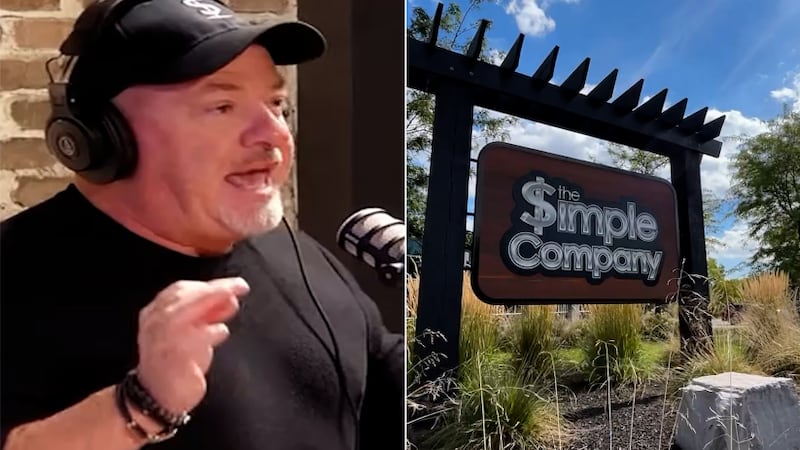
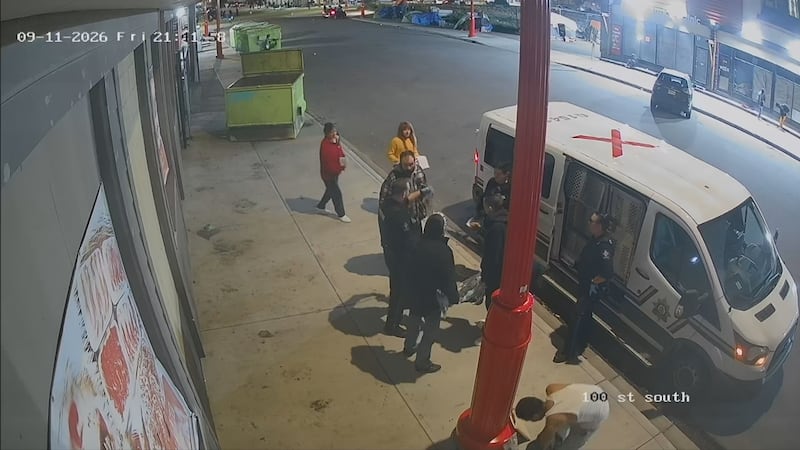
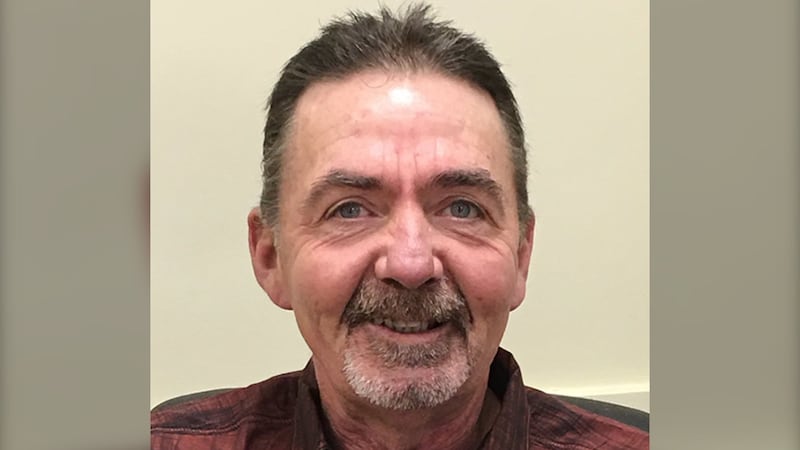
An Edmonton man who has battled addiction and spent time behind bars is now part of a group that’s working to provide resources for inmates when they’re released from custody. David Wruth says videos of inmates being dropped off in downtown Edmonton and Chinatown brought back memories for him. “I was introduced to drugs and alcohol at a very young age, and it led me to 25 years of addiction. And within that addiction, there was incarceration, there was crime, there was a life that was hard,” he told CTV News Edmonton on Monday. He says the last time he was in custody was in Fort Saskatchewan two years ago. “I just got dropped off at Clareview Station. They just said ‘Goodbye. See you later.’ They drove me from Fort Sask. to Clareview, and that was it.” The 41-year-old is now two years clean and heads up the Soberhood Society of Edmonton. The group put on a free concert in Churchill Square over the weekend with Sloan and Bif Naked as part of Recovery Day, an annual event that celebrates people’s journey to recovery and sober living. “It was a mental health and addiction fair. It was free. We had over 50 different resources come out, and just so people can know that what’s out there for them, what’s out there for the for recovery,” Wruth said. “We had some local artisan booths come out. We had food trucks out there. Bif Naked and Sloan came and performed the free concert. It was beautiful. It was an amazing day. Couldn’t have had better weather either.” The society put up all the volunteers for the event, 70 in total. Wruth says it’s part of their commitment to the community. “We do sober support groups. We also do sober events. We do lots of volunteering. There’s about 40 hours a week that people can get volunteering with us. “We also offer recovery coaching. We do a podcast called Silverhood Talks, where we have people come in at different stages of their recovery and just tell their journey.” “Volunteering is where I found my purpose, and that’s what kept me sober. That gave me something to look forward to every week, and that’s what we built our foundation off of,” Wruth said. He says the society is in a position to provide support to other people coming out of custody. “I’m already working with people that are in Fort Saskatchewan and Edmonton Institution and Remand and helping to build a plan before they get out,” he said. “We want to be able to go into the Remand and Fort Saskatchewan and build a rapport with people before they get out, so they feel more inclined to getting a hold of us when they do get out.” Wruth says his group is currently working on a proposal for a community hub that could be a dropoff point for inmates. “Everything could be in a place where people can get dropped off. We can help them find their housing. We can offer them recovery coaching. We can offer them supports right from that building,” he said. He points to himself as an example of a person who spent time behind bars and is now a contributing member of society. “I’m a huge advocate for somebody getting out of jail and changing their life around. That’s the best story out there.” “When somebody can go from being a delinquent and not being a member of society and turn their life around within a couple years and now are doing amazing things, then that’s exactly what we want.” Police chief calls for more capacity, coordination Edmonton Police Service Chief Warren Driechel agrees that transitional services are a necessity for inmates being released from custody. “Our expectation is that we’re doing a better handoff to services,” he told reporters on Thursday after an Edmonton Police Commission meeting. “We’ve obviously been messaging for the last couple years. It’s a real focus within our community and safety well-being strategy, having those partners. We understand that there’s still a lot of gaps in the system though, and I’ll admit it’s a capacity issue.” He says more coordination is needed between police, social groups, and the province when inmates are released. “By simply dropping them off in the street, corrections feels that they’ve ended their custody and care of that individual, they now likely become care and custody of the police service because they’re on the street if they’re causing problems,” he said. “Those videos spurned a lot of phone calls from the community with our partners, just even at levels of government, having conversations about what we’re trying to do here.” The province says it is reviewing existing procedures around releasing inmates in light of the recent videos. “The recent incidents do not reflect our intended practices or the considerable work undertaken by correctional staff every day to connect individuals with available supports as they leave custody,” Arthur Green of the ministry of public safety and emergency services wrote in an email to CTV News Edmonton. “We will continue working to strengthen processes that support both community safety and successful reintegration.” With files from CTV News Edmonton’s Jeremy Thompson