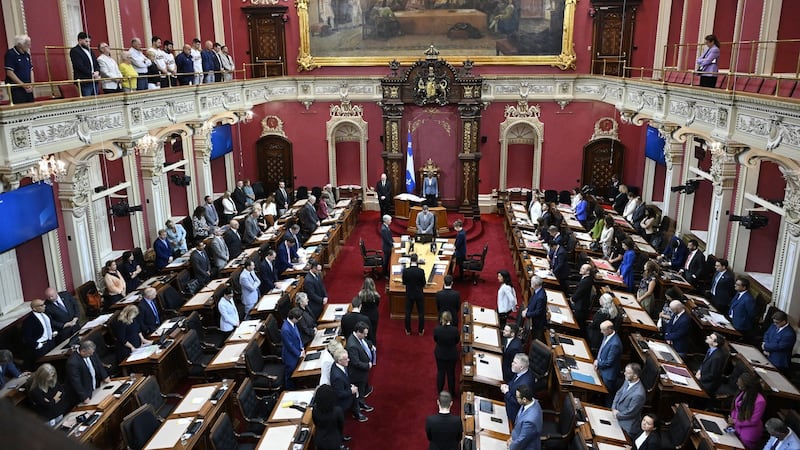
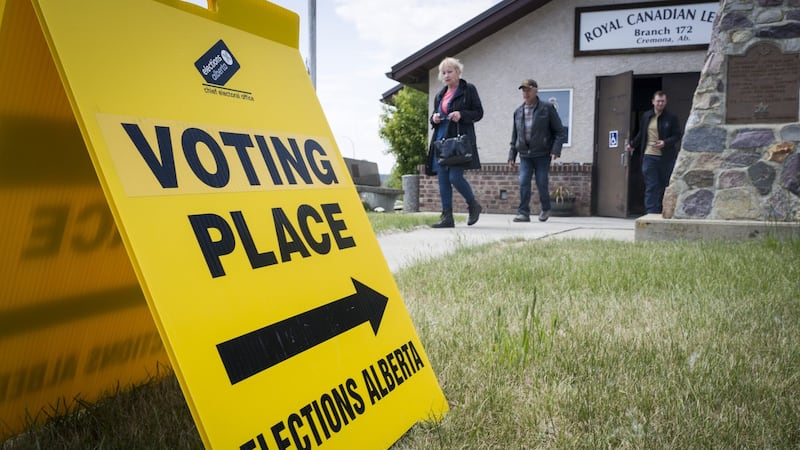
The Alberta government is pitching a new law that, if passed, would see the end of mandatory public inquiries for those who die in police custody or while incarcerated. Tabled as part of the omnibus Bill 44 on Monday, the new law would establish new requirements for when a death is sent for public inquiry. Justice Minister Mickey Amery told reporters in the Alberta legislature the new measures would help grieving families get answers about their loved ones’ deaths. “What this is suggesting is that we narrow the mandatory wide net that is currently cast,” Amery said. The new bill comes on the same day three Calgary police officers were charged with manslaughter for the 2024 death of an unarmed Indigenous man. Those charges were announced after the results of an Alberta Serious Incident Response Team (ASIRT) investigation were made public. A fatality inquiry has not been called in that case. The bill also proposes limiting full access to Alberta’s list of electors to registered political parties that have at least one elected MLA or for parties that have candidates in half of all electoral divisions. Public inquiries under the current law Fatality inquires are investigated by a judge, who looks into the circumstances of someone’s death. They can make recommendations to prevent similar deaths in the future. They are mandatory by law when a person dies while incarcerated or in police custody, unless the death was found to be unpreventable or was from natural causes. The justice minister also retains the power to call a public death inquiry when they deem necessary. Under the current law, public inquiries are mandatory for deaths that occur in custody, whether they are expected to prompt death-prevention recommendations or not. But under the new bill, Alberta would only require public inquires if they would best serve the public interest. On average, Amery says Alberta starts twice as many fatality inquiries as it completes each year. The province currently has 180 public inquiries waiting to be heard, 125 of which are mandatory. Some take as long as 14 years to complete, the minister said, due to an “remarkably thorough” process in the court system. The new legislation gives the chief medical examiner the power to review more personal and health information when deciding whether to hold a public inquiry. “That change alone is going to be able to achieve remarkable efficiencies in how they make their conclusions and how they report to families,” Amery said.