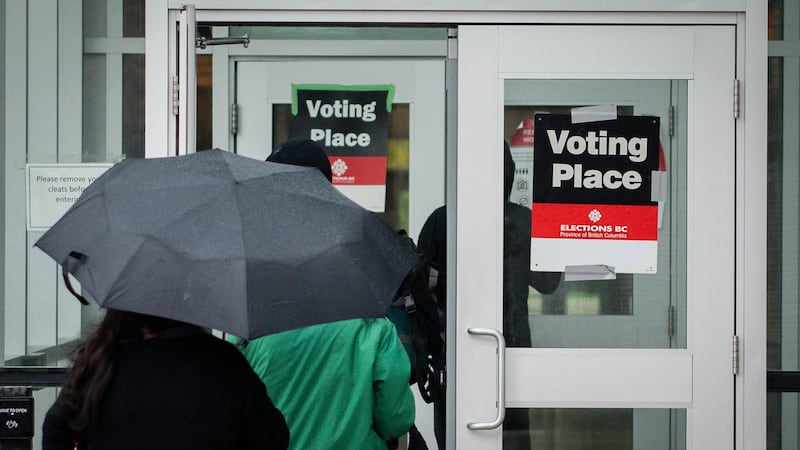
With the municipal election around the corner, experts say there are promising signs when it comes to local democracy this time around. More Candidates Association of Municipalities of Ontario Executive Director Lindsay Jones tells CTV News candidate numbers are on the rise since the 2022 election, meaning more choice and an interest in community issues. “There are a lot of encouraging signs for local democracy in Ontario,” Jones says. The number of acclimations—politicians who stay in their role they were previously because no one else ran—is way down at the municipal level in communities across Ontario, according to Jones. She says it’s gone from 550 in 2022 down to 400 in 2026 with around 70 per cent of those in communities with populations of 10,000 or less. “That matters because it’s folks who are bringing new and different perspectives to these issues,” says Jones. “And a lot of people see a lot of value in participating in the process.” According to Jones, two thirds of people who put their names forward to run in municipal elections are new to municipal politics. “More people coming forward means more choice and more electoral races means more choice and that’s all a positive sign that’s happening this year,” she says. Get out and vote Jones says it’s critical that people get out and vote. “Municipal politics affects everybody’s daily life in so many different ways.” She says local issues like housing, water, sewers, parks, recreation and policing all impact residents and businesses. “The municipal election is your opportunity to have a say in what happens to your community,” Jones says. Despite how much municipal politics affects people’s everyday life, voter turnout is typically lower for municipal elections than provincial or federal. Jones says it’s due to a number of factors like municipal elections don’t have same level of visibility, there are no political parties and campaigns have fewer resources and less media coverage. She also says it’s common for people not to know who’s running for local council or what the issues are. “There are lots of good reasons you should actually educate yourself about the people who are on the ballot,” says Jones. One of those is municipal elections can be decided by a relatively small numbers of votes. “If you care about what’s happening in your community, it’s worth having your voice counted,” Jones says. How to vote It’s now easier than ever to vote, with municipalities adding new ways for people to participate in voting. Jones says more than two thirds of municipalities across the province have online voting as an option and the number of municipalities where there’s in-person voting is declining. More common now, is communities having a combination of different ways to vote during both advanced polling and day of. Those are online, phone, in-person or mail-in. She says a number of organizations have played a key role in increasing civic engagement over the years, including local media, public libraries, universities and colleges. “There really is no excuse not to get out there,” Jones says. Jones is leaving Simcoe County voters with this message: “A lot of people think that because they’re not interested in politics, they shouldn’t care about the municipal election. Our message is you don’t have to follow politics to be affected by municipal decisions. Everyone cares about whether the roads they drive on are safe, whether they have housing their family can afford, whether the communities have parks and recreations. These are all local issues,” says Jones. Advanced voting is open and Voting Day is coming up on Oct. 26.