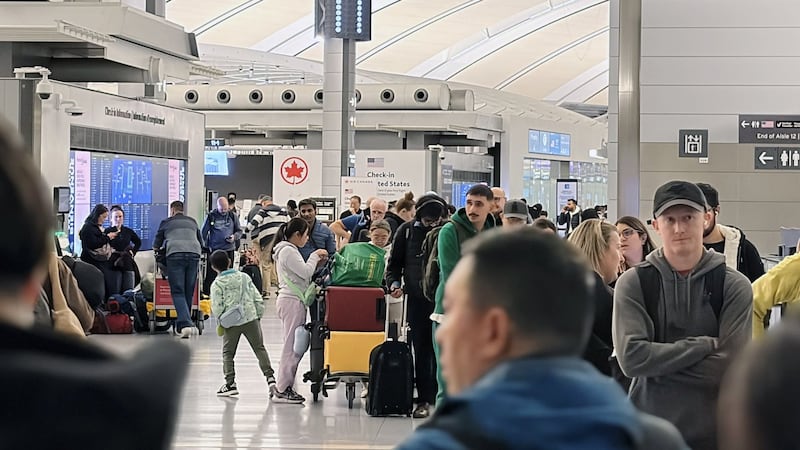
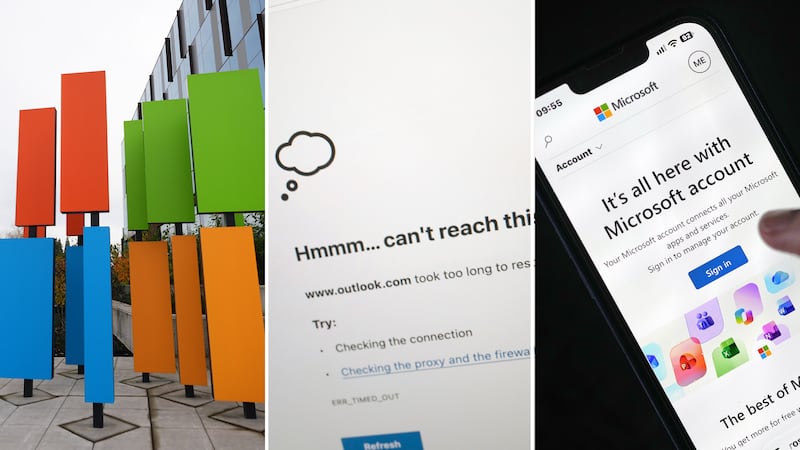
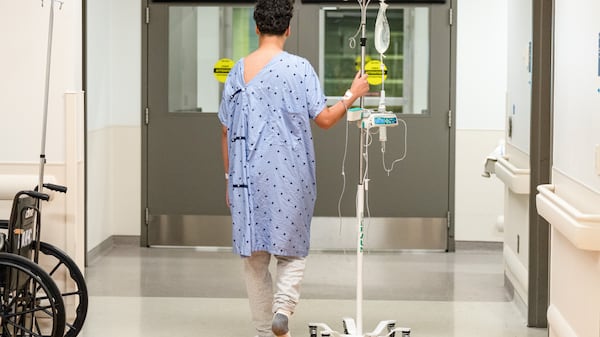
This week’s Microsoft outage is highlighting digital vulnerabilities within critical services, from government departments to health-care facilities. “It’s more a public utility than I think we’re prepared to admit,” says David Shipley, a tech expert and CEO of New Brunswick-based Beauceron Security. Microsoft Outlook and Microsoft 365 products are widely used inside government offices and hospitals, where Thursday’s sudden outage was felt immediately. Both the Nova Scotia provincial government and Nova Scotia Health released statements warning of delays in patient communications shortly after the outage began. A hospital network in Toronto declared a “Code Grey,” signifying a loss or failure of infrastructure. New Brunswick Deputy Premier René Legacy said the government’s contingency plan for cyber outages “went as planned.” “The minute this happened there was a recovery plan that was put in place for the government to make sure our services were offered,” says Legacy. ”We are usually, with Microsoft, on the priority list because of the (regional health authorities) because we provide healthcare. “We usually get preferred treatment... we’re first in line.” It took several hours for services to be restored, when many outages lingering into Friday. Shipley said this week’s outage – which Microsoft is blaming on a service overload – should “spark some really important conversations.” “I think the conversation that needs to happen first is in health care,” he says. “We’re seeing a really big push to go paperless and take advantage of going digital. One of things I would caution all health-care organizations on is to have the ability to fall back if your e-mail or digital paperless system becomes unavailable… and to practise that regularly.” Shipley says this week’s outage should also prompt more regulatory oversight at the national level of “massive companies now that pretty much control the market,” naming Microsoft and Google as examples. “There has to be some checks and balances on these things,” he says. “And we should have greater assurances than just ‘trust us, we’ve got this.’”